Warning for Irish holidaymakers due to spread of mosquitos carrying various diseases
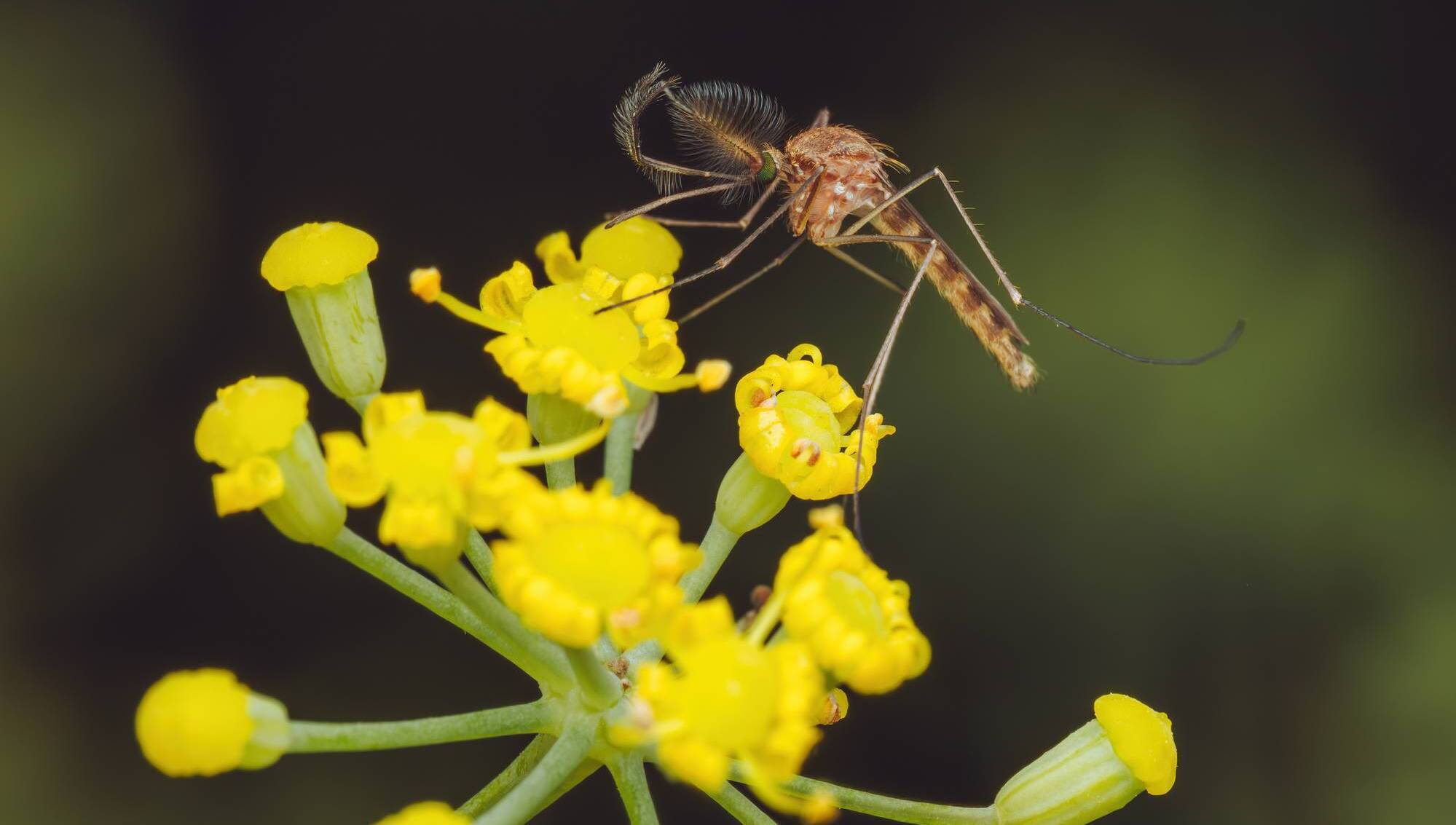
Italy and France face growing risks from mosquito borne-diseases. File picture
Mosquitos carrying high-risk diseases are spreading across Europe due to soaring temperatures and a rise in people travelling, the European Centre for Disease Prevention and Control has warned.
Popular holiday destinations including Italy and France face growing risks from the mosquito borne-diseases as the health body called on all European governments to improve efforts to control the pests.
The ECDC warned: “Changing environmental conditions and growing travel and trade create favourable conditions for importation and spread.”
Six regions in Europe have reported locally acquired cases of West Nile virus for the first time. It can cause flu-like symptoms including fever and lead to further severe illness.
Meanwhile, dengue virus is also becoming more common in Europe, said the ECDC, noting that numbers have steadily increased since the first reports in 2020. There were 328 cases recorded in 2024, with the vast majority in Italy and France.
This infection can lead to severe complications such as haemorrhagic fever and shock syndrome.
Europe also recorded an unprecedented number of chikungunya virus infections last year. France and Italy were particularly affected, recording 809 and 384 cases, respectively, due to a number of locally acquired clusters.
Chikungunya is rarely fatal but it can lead to debilitating joint pain which may last for years.
The ECDC called for action from individuals and on a larger scale at government level.
Holidaymakers from Ireland travelling to areas of potential risk should consider sleeping under untreated bed nets, mosquito-proofing homes with window and door screens, and wearing protective clothing.
So far in Europe insect screens are not required as standard on doors or windows, unlike in parts of the US.
Environmental actions such as removing stagnant water in containers, flooded basements, discarded tyres, or basins of poorly drained land can also help reduce mosquito numbers.
At a higher level, a pilot project to test the impact of sterile insect technique is running in various countries including France, Germany, Spain, and Switzerland.
The project involves the release of mass-reared and sterilised male insects that mate with females to produce infertile eggs.


CONNECT WITH US TODAY



Be the first to know the latest news and updates