Gardaí 'routinely' quiz reporters on sources
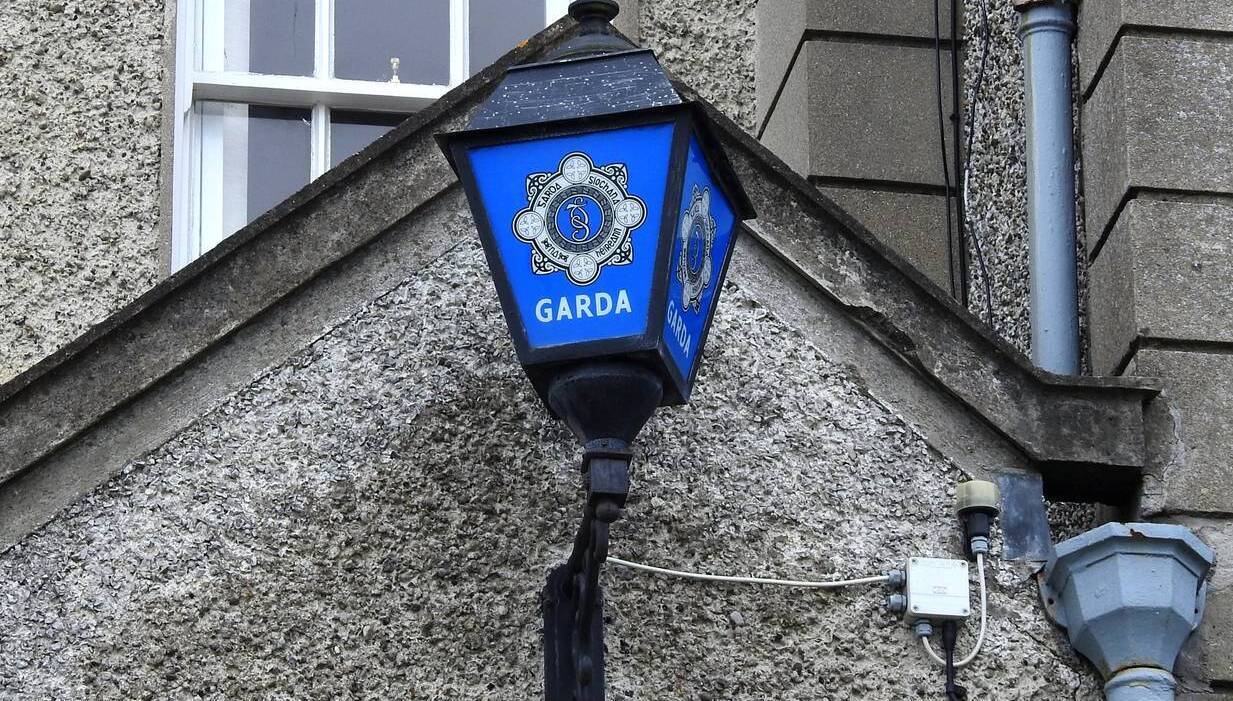
Most participants in the study — from the North and South — believed the PSNI and An Garda Síochána surveil journalists to identify their sources.
Gardaí “routinely question” journalists to try and identify their confidential sources, according to a new report.
The research — conducted North and South — interviewed 23 journalists in what is thought to be the first study of its type in Ireland.
While most participants said the Garda interviews were done voluntarily, at least one said they were “threatened with arrest”.
The report, ‘The Role of Crime and Security Journalism in Irish Democracy’ was co-authored by Dr Cian Ó Concubhair, from Maynooth University School of Law & Criminology, and Glory Anumudu and conducted in partnership with the Irish Council for Civil Liberties.
The project interviewed specialist crime and security journalists, as well as general reporters with significant experience reporting on these areas.
The study focused in particular on the ability of journalists to protect their confidential sources in Ireland, and journalists’ confidence in legal protections.
Some participants in the South felt that privilege was protected less by legal rights and more by current “political restraint”.
The report said while participants in the North were more confident in the capacity of the legal system to protect journalistic privilege, they “do not believe” the PSNI respects journalists’ need to protect confidential sources.
Irish Council for Civil Liberties head of policy Olga Cronin said: “The experiences voiced by journalists in this study regarding attempts by gardaí to identify their sources will shock many. Even if done voluntarily, the questioning of journalists in this manner could have a chilling effect on Irish journalism, especially in situations where journalists are seeking to pursue stories of Garda misconduct. We need legislation supporting the rights of journalists.”
Participants in the study described An Garda Síochána and the PSNI as “secretive, institutionally closed, and resistant to transparency and accountability”.
Many non-specialist participants felt the relationship between specialist crime and security journalists and the police (PSNI or An Garda Síochána) was “too close” and undermined objective reporting on policing in Ireland.
Some non-specialist participants in the South identified the close relationship between specialist reporters and Garda sources as being rooted in the “imbalance in power” between them.
This imbalance of power was viewed as creating "informational dependency" on informal sources, who could remove access to information if the source was unhappy with the journalists’ reporting.
Most participants — from the North and South — believed the PSNI and An Garda Síochána surveil journalists to identify their sources. A number of participants from the North and the South described being subject to such surveillance.
Participants in the North described the Fine Point Films case, where journalists investigating police collusion in the Loughinisland massacre were subject to police search and seizure of confidential journalist material, and its aftermath as a “turning point” for journalist-police relations in Northern Ireland.
The study also revealed most female participants described crime and security reporting in Ireland as being "highly gendered”.
It said: “This included participants describing deeply sexist interactions with their professional peers and policing and security sources, and outlining distinctive threats experienced by female journalists, including threats to their intimate and family lives.”
CONNECT WITH US TODAY



Be the first to know the latest news and updates