Very high failure rate in taxi driver entry tests on area and industry knowledge, new figures show
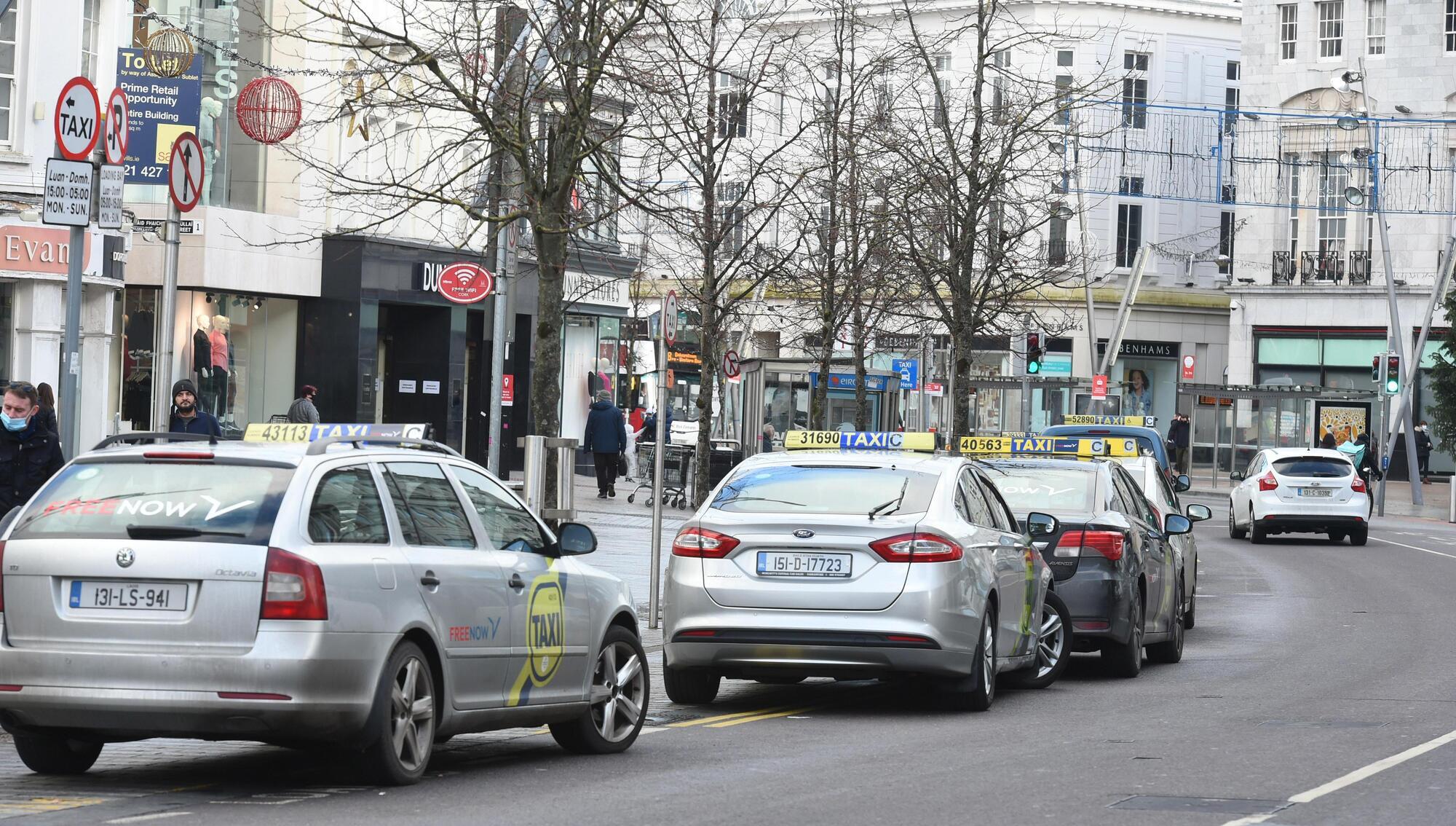
The test has consistently proven challenging, with success rates of between 31% and 35% over the past three years. Picture: Larry Cummins.
Less than a third of taxi driver entry test sittings were passed last year, despite efforts to attract new drivers into the industry.
Figures from the National Transport Authority (NTA) show nearly 11,800 tests took place last year, but more than 8,100 ended in failure.
The exam requires prospective taxi, hackney and limousine drivers to score at least 75% in two modules covering industry knowledge and area knowledge.
However, the test has consistently proven challenging, with success rates of between 31% and 35% over the past three years.
The NTA also said it had detected four cases of cheating by drivers taking the test between 2023 and 2025.
Asked if there had been any cases of impersonation, or any referrals to gardaí over cheating or personation, the authority said it held no records.
Overall figures showed more than 10,000 test sittings took place in 2023, of which nearly 3,600 were passed and 6,500 failed.
In 2024, there were 10,800 sittings, with about 3,500 passes and just over 7,300 failures.
Across the three-year period, there were more than 32,700 test sittings, with almost 22,000 of them ending in failure.
The pass rate for the full SPSV entry test — excluding retakes — was even lower, falling from 31% in 2023 to about 27% last year.
In 2025, there were 8,941 sittings of the full entry test, with 2,452 passes and 6,489 failures.
A spokesman for the NTA said the test required a 75% grade on two modules and individual modules could be re-sat if necessary.
He said a review of the area knowledge module had taken place last year to reflect the widespread use of online mapping apps.
The spokesman explained: “The findings showed that, while passengers still expect drivers to have a higher-than-average understanding of local geography, the use of online maps is widely accepted.
“As a result, the revised area knowledge module, which went live [last October], places more emphasis on knowledge of motorways and transport hubs, with greater focus on tourist attractions, hospitals, sports, theatre and music venues and, for urban centres, knowledge on major street names, one-way systems and city routes.”


CONNECT WITH US TODAY



Be the first to know the latest news and updates