Dental waiting lists have led some children with complex needs to self-harm because of the pain
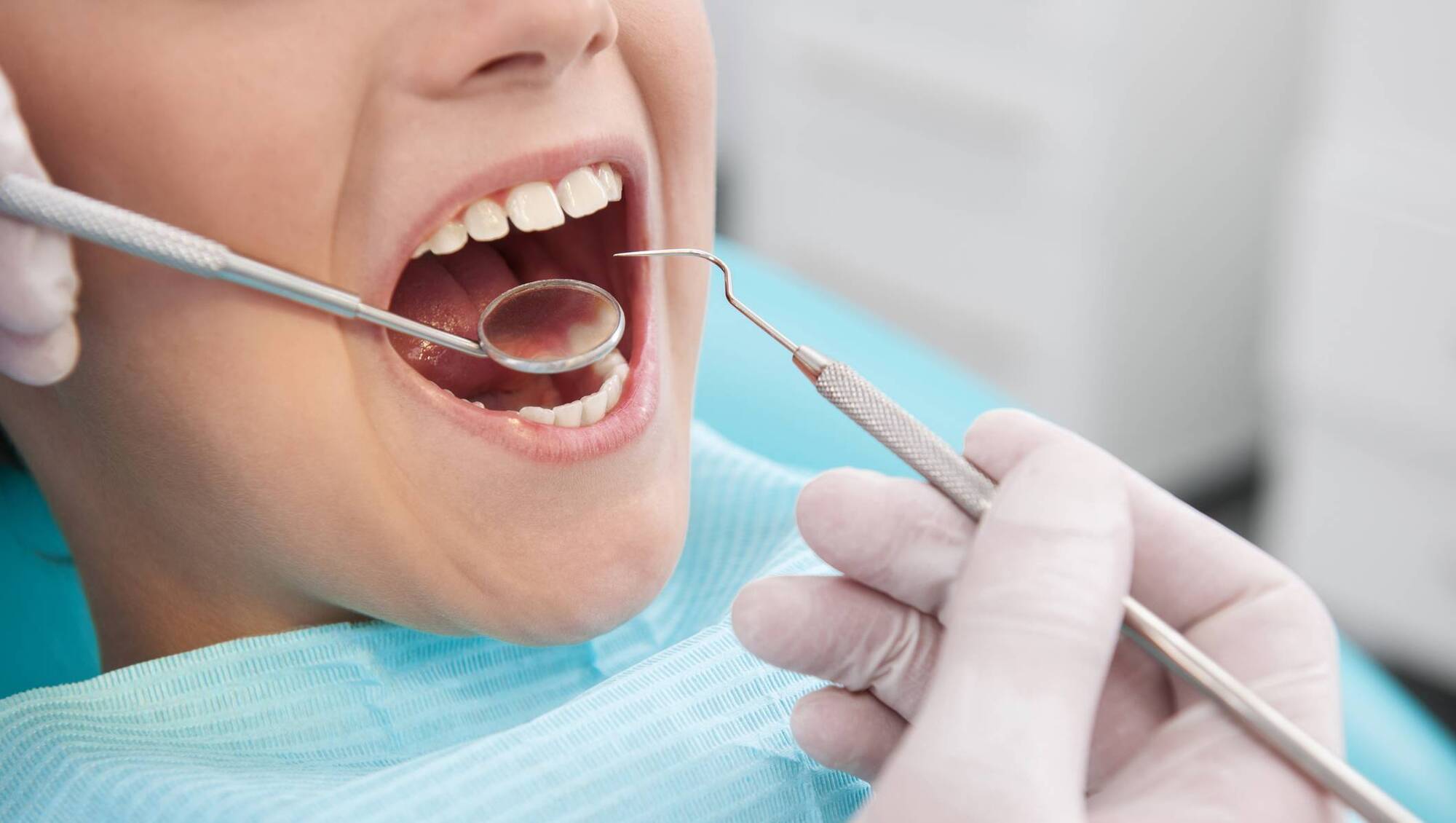
Data from the dental association shows of the 979 children waiting in HSE South West, 438 have been on the list over a year. File picture
Children with complex needs are self-harming because their teeth are causing so much pain as they face long waits for treatment, the president of the Irish Dental Association has warned.
Bridget Harrington Barry said more than 900 children with special needs are waiting for dental treatment under general anaesthetic in the Cork and Kerry HSE region alone — the highest figure in the country — as pressure mounts on the service affecting 1,801 vulnerable patients nationwide.
She said that for children with complex needs who may be non‑verbal or unable to articulate pain, signs such as refusing food or self‑harming are often the only way parents or carers realise something is wrong.
Autistic children and people with a range of disabilities or challenges cannot tolerate dental care without anesthetic. Limited access to special needs dentistry was highlighted last week in a report on dental services by the Joint Committee on Health.
It recommended ring-fencing acute hospital beds to ensure general anaesthetic services are provided for children and special care dental patients across the country. This would include Cork University Hospital.
Data from the dental association shows:
- All 81 children and adults on the HSE Midwest lists have waited over 12 months for general anesthetic;
- Of the 277 people waiting in the HSE Dublin and South East regions, 172 have been on the list for more than a year;
- Of the 979 children waiting in HSE South West, 438 have been on the list over a year.
Ms Harrington Barry welcomed the report but said she is also worried about gaps in care for children waiting on school screening.
“We’ve never had a proper bulked up staff in the public dental service,” she said.
“There are areas not as poorly staffed as others. I know from colleagues in the Midlands that they’re seeing transition year students for their sixth class check-up. That’s way too late.”
Dental association data shows a 31% decrease in dental surgeons employed by the HSE since 2005 despite a 32% growth in the national population.
Ms Harrington Barry also raised the alarm about access to school screening for all children.
School screening is “like a triage”, allowing dentists to identify issues such as tooth decay or orthodontic problems at an early stage, she said.
Ms Harrington Barry, who works in the Galway region, said that she plans to focus on access to dental care for adults with medical cards in her role of dental association president.
“That’s a system that’s crumbling unfortunately,” she said. “I think there’s a lack of trust there now. The system is not irreparable but it is broken. Successive governments have not prioritised this.”
CONNECT WITH US TODAY



Be the first to know the latest news and updates