Fresh bid to establish identity of mystery man who died in hospital
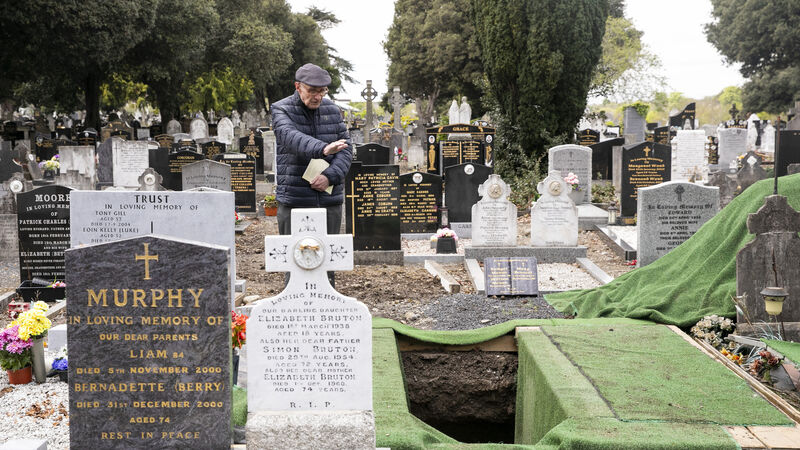
Father Patrick Daly during the burial of Piotr Torng in Glasnevin Cemetary, Dublin. Picture: Gareth Chaney
The case of a homeless man who died in hospital has been placed on Ireland’s human remains database in a bid to establish his true identity.
The man, known as Piotr Torng, died in November 2024 and was buried in the Alice Leahy Trust plot in Glasnevin a year ago. An inquest into his death held last October heard he died in St James’s Hospital almost two weeks after suffering a cardiac arrest.
The coroner's court was told that efforts to formally identify him through documents and Interpol failed. No next of kin has been identified.
Believed to be a Lithuanian man aged in his early 40s, the man had been in Ireland for over a decade and was known to a number of homeless services in Dublin. He had been resident at the Peter McVerry Trust hostel in Stephen’s Green.
Read More
His inquest was adjourned for a week last October while efforts to formally identify him were stepped up. The inquiries included contact with the embassies of Lithuania, Latvia, Estonia, Ukraine and Russia. Checks were also made with the Department of Social Protection.
His remains had been in the Dublin city mortuary for six months prior to his burial in the Alice Leahy Trust plot, during a short ceremony attended by a small group of people.
His details have now been uploaded to Ireland’s human remains database, with details including his picture. A DNA profile has been created for him but no match has yet been made.
The database of unidentified human remains was launched by the Department of Justice three years ago.
The database contains details of approximately 50 full or partial remains which have been found in locations across the country since 1968.
The database has been compiled with information submitted by coroners from across the country relating to unidentified remains in their areas.
Efforts to be able to identify him properly or get in touch with relatives are similar to attempts to identify a man who died in St Stephen’s Hospital in Glanmire, Cork, in September 2021.
Attempts were made to work out who he was while he was still alive, but he died before any identity could be established.
He died of natural causes, according to the results of an autopsy.
It is understood that if a DNA match is made, an inquest will take place to confirm his identity.
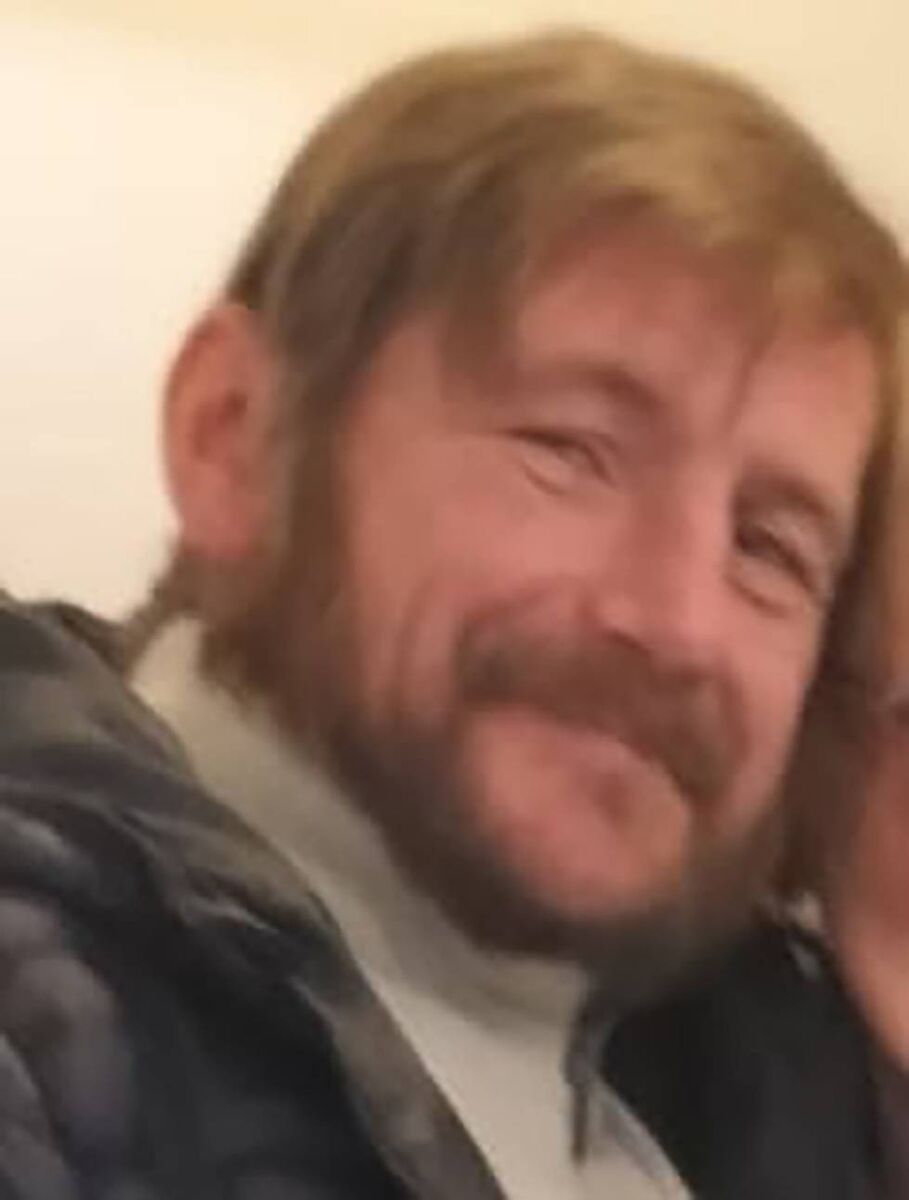
DNA sampling was taken, but so far, that has proven fruitless despite his case attracting so much interest from abroad. He was buried in St Finbarr’s Cemetery in Cork city.
Meanwhile, no burial has yet taken place for the skeletal remains of a woman found on an old railway line found near the Shanty Gate at Westpark, some 3km from Midleton, on the afternoon of January 5, 2021.
The discovery was made by workers developing a greenway along the old railway line.
DNA testing was carried out on the remains after the discovery.
However, while a small number of people came forward and had DNA taken from them for testing, no link between them and the remains was found.
An autopsy, as well as a forensic anthropology examination, was conducted on the remains.
Her case remains on the human remains database, with images of a photofit of what she may have looked like, along with clothing found at the scene.
It is believed the woman died of natural causes and it is likely that her deaths was registered at some point as it is thought her remains had previously been buried, before being illegally exhumed and dumped at the location she was found.
A crucifix and other items found close to the remains are believed to have been from a coffin.
According to gardaí, the remains are believed to be those of a female older than 70 years of age at the time of her death.
She is believed to have been between 5ft and 5ft 2in in height, with a large frame.
She is also believed to have suffered from arthritis and she wore dentures.
An item of clothing, 50in in length and thought to be a nightdress, was found nearby.
As gardaí are continuing their efforts identify her, the remains are in storage.
The database can be accessed at www.gov.ie/en/coroner-cases/


CONNECT WITH US TODAY



Be the first to know the latest news and updates