'Social media apps exposing young people to addictive algorithms, sexual violence, and gambling'
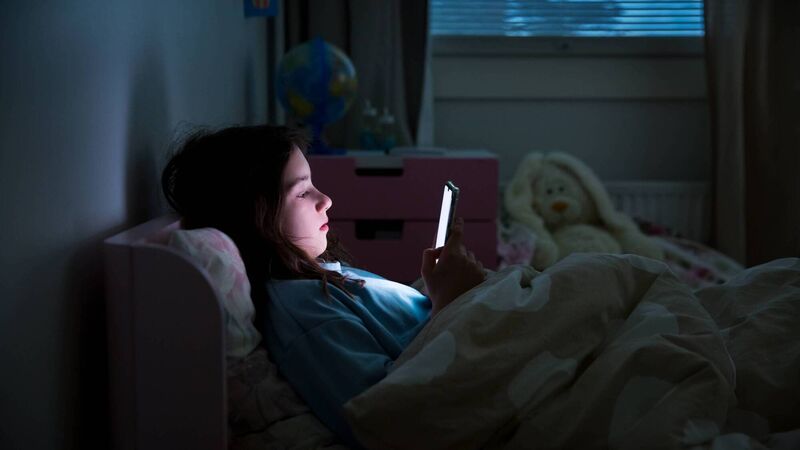
Growing concern about social media and children has led to an EU expert group analysing whether a minimum age for use is needed. File picture
The rising number of child sexual abuse cases linked to social media is a key reason for a ban on children using these apps, a medical conference in Dublin has heard.
Growing concern about social media and children has led to an EU expert group analysing whether a minimum age for use is needed.
Australia has already banned under-16s from Snapchat, TikTok, Instagram, YouTube, and other platforms.
Irish Medical Organisation vice-president and psychiatrist Professor Matthew Sadlier was among the speakers at the Standing Committee of European Doctors seminar.
His contribution focused on Snapchat and grooming.
Just last month, Corkman Anthony Quigley, aged 51, was before the courts for sending a sexual Snapchat message to a schoolgirl.
It was sent within three hours of his prison release from a sentence for a sexual assault.
Court reports show he said to gardaí: “Snapchat is like a haven for paedophiles”.
Mr Sadlier said this case was “so dark”.
"You have a convicted sex offender basically holding his hands up to the guards and saying ‘with Snapchat, it’s too easy’," he said.
The psychiatrist said his search of media reports on Irish court cases involving sexual crimes against children and Snapchat showed 14 cases, "and the number of victims would be slightly more”.
Managers in a sports club would be expected to take immediate action, he indicated, if they saw “a 50-year-old man asking a 13-year-old girl for a picture of herself naked” in real life.
“How are we allowing these platforms to be treated like innocent bystanders for things that are happening on their platforms?” he said.
The reality of social media apps is quite different to their marketing as “useful positive platforms”, he said.
Social media apps are exposing young people to a wide range of harms, including addictive algorithms, sexual violence, and gambling.
However, he does not think blaming parents or expecting them to police this alone is the solution.
“We are living in an age of almost non-existent social media regulation, which has created a truly toxic online landscape,” he said.
“Not only can children and adults alike access at will the most malevolent and dangerous content, but certain social media apps by their design reward that behaviour by directing users towards ever more extreme content.”
Most apps deliberately offer only short videos or short reads, leading users quickly to navigate to the next topic.
“We know that anticipation is actually by far the strongest human emotion,” he said.
What is needed is legislation, he argued.
“The Government must act to safeguard people from this type of content by introducing far stricter online regulation.
"Anything less would be a dereliction of duty,” he said.
This should be done across Europe, he added, saying Ireland is too small to regulate the large number of multinational corporations based here.
“Social media companies like to conflate themselves with the internet,” he said.
Calls for a ban are met with “a flurry of activity, largely sponsored by social media companies themselves, implying that you’re now stopping teenagers from accessing the internet or the digital world".
However, “the internet is not social media”, he said, and a ban on social media is not the same as a ban on safe use of the wider internet by teenagers.


CONNECT WITH US TODAY



Be the first to know the latest news and updates