Ketamine use in Ireland rises as Dublin records 40% jump in wastewater detections
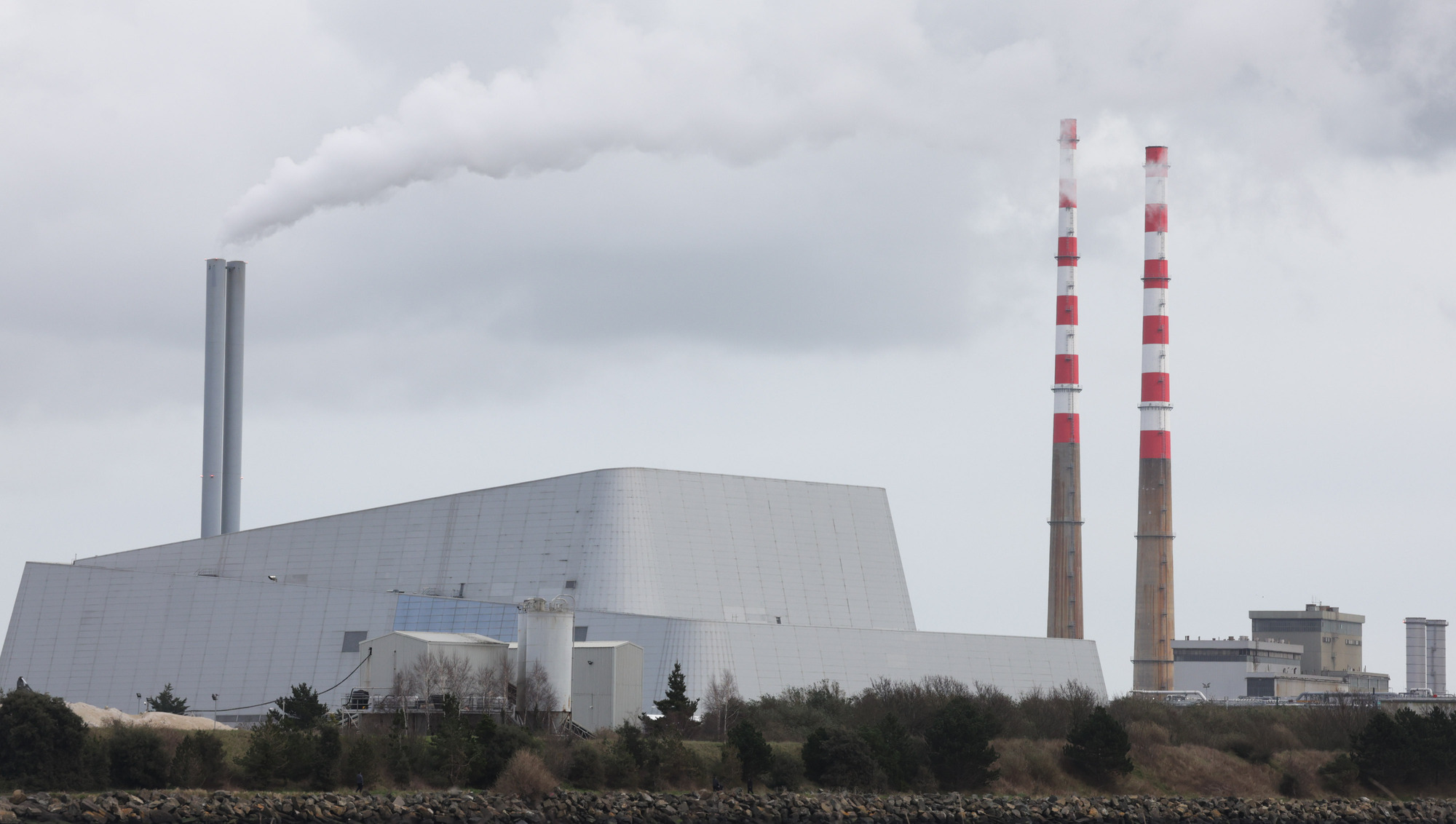
Euda research detected a 42% increase in the presence of ketamine products at Ringsend wastewater treatment plant in Dublin. File picture: Leah Farrel/RollingNews.ie
There has been a 40% jump in detections of ketamine in wastewater, providing further evidence of the rising use of the party drug in Ireland.
A European study, which examines the presence of byproducts of drugs in wastewater systems, found a “strong increase” in the hallucinogenic drug in almost 70 cities across Europe — including Dublin.
The European Union Drugs Agency (Euda) research detected a 42% increase in the presence of ketamine products at Ringsend wastewater treatment plant in Dublin between 2024 and 2025.
The amount of ketamine in the wastewater was the seventh highest out of 66 cities that had data for both 2024 and 2025.
In relation to other drugs, the ‘Wastewater analysis and drugs’ report, recorded:
- An 18% drop in cocaine detections — although Dublin is still 20th out of 88 cities with data for both 2024 and 2025. The amount of cocaine present in 2025 was around ten times that of ketamine;
- A 19% reduction in presence of ecstasy (MDMA) – although Dublin was 18th highest out of 78 cities with data for both years. Ecstasy has dropped from being present in almost the same quantities as ketamine in Dublin in 2024 to almost half the amount in 2025;
- An 8% increase in the presence of cannabis, placing Dublin in 23rd place out of 63 cities with data for both years. Cannabis was second behind cocaine, although its prevalence was one seventh that of cocaine.
The HSE has been raising awareness about the side-effects of ketamine for the last four years after increasing signs of its use at music festivals – particularly among young people.
At an Oireachtas committee meeting last month, HSE addiction lead Professor Eamon Keenan, reiterated his concern at a rise in cases involving young people with ketamine-associated bladder problems.
Ketamine can have a toxic effect on urine and can cause pain in the bladder — known as ‘K-bladder’ or ‘K-cramps’ — and this can deteriorate to incontinence and even kidney failure.
Dutch research published last year documented a rise in first aid incidents involving ketamine, often when consumed with other drugs, most commonly alcohol and ecstasy (MDMA).
It found there was a “significantly higher incidence” — up to six-times more — of uropathy, or blockage of the urinary tract, among frequent ketamine users.
A separate Euda report said there has been a “sharp increase” in imports and seizures of ketamine in recent years.
It said the drug was increasingly popular among “young adults and those active in nightlife and party environments”.
It said in some countries, particularly Britain, its use was “increasingly visible” among younger age groups, including school-aged children.
Seizure data in Ireland suggests that at least 33kgs of ketamine was seized by Gardaí and Revenue in 2025 and at least 10kgs so far in 2026.
Dr Lorraine Nolan, EUDA Executive Director, says: "Europe’s wastewater tells the story of a drug phenomenon that is widespread, varied and in constant flux. This year’s study, covering 115 European cities, reveals a marked decline in traces of MDMA, alongside continued signs that cocaine and ketamine detections are on the rise.
"Wastewater analysis helps us track these shifts early to better understand where attention and resources are needed and to inform evidence-based public health and policy responses across Europe."
- Cormac O'Keefe is Security Correspondent.
CONNECT WITH US TODAY



Be the first to know the latest news and updates