Fishing industry seeks Government help as soaring fuel costs threaten Irish fleet
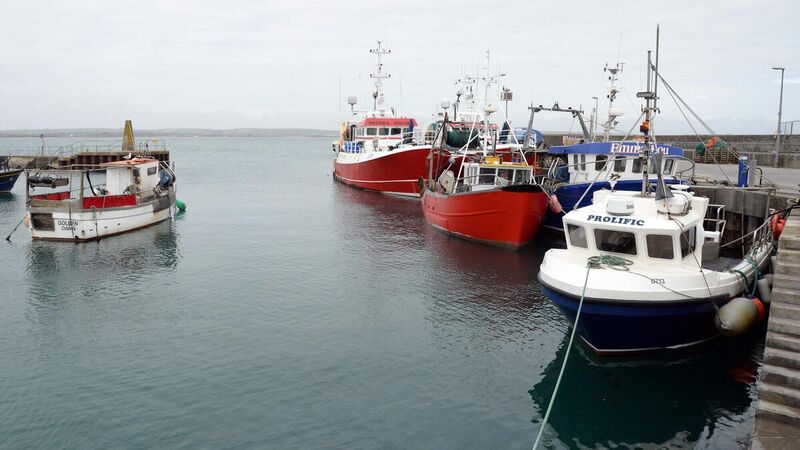
Decommissioning of fishing vessels has been used in recent years as part of efforts to address financial pressures and quota reductions in the sector. Picture: Denis Minihane.
The Seafood Ireland Alliance has called on the Government to help fishermen cope with soaring fuel costs.
Industry representatives say escalating fuel prices are placing severe pressure on Ireland’s fishing fleet and coastal economies.
They warn that fuel is the largest single operational cost for many trawlers and other fishing vessels, meaning sharp price increases can quickly threaten the viability of businesses.
Killybegs Fishermen’s Organisation CEO Dominic Rihan said: “Other European fleets have previously benefited more than us from measures designed to offset exceptional fuel price spikes.”
Read More
Irish Fish Producers Organisation CEO Aodh O’Donnell said: “Fuel is essential.
“When prices escalate to current levels and supply is reduced, the viability of many vessels is threatened.
“For some operators, the economics of putting to sea are becoming increasingly difficult.”
He added: “If vessels are forced to tie-up due to fuel costs, the consequences will impact on the entire seafood supply chain.
“That includes landing ports, processors, exporters and the many coastal jobs linked to fishing activity.
“It is important Irish fishermen are not placed at a competitive disadvantage within the European sector.”
Irish South and East Fish Producers Organisation CEO John Lynch said the pressure from rising fuel prices comes as the Irish seafood sector faces a combination of economic shocks.
“The industry is confronting unprecedented challenges in 2026 due to significant quota reductions,” he said.
“These cuts are expected to remove around €94 million in value at first point of sale.
“Increases in costs on top of these cuts will further degrade profitability.”
Irish South and West Fish Producers Organisation CEO Patrick Murphy said the industry has already absorbed a series of shocks in recent years.
“Brexit quota losses, ongoing reductions in fishing opportunities and rising operating costs have already placed the sector under enormous strain,” he said.
As the reported on Monday, fishing industry representatives warned that up to 40% of Ireland’s offshore whitefish fleet could be lost under any new State-funded decommissioning scheme.
Decommissioning of fishing vessels has been used in recent years as part of efforts to address financial pressures and quota reductions in the sector.
The Food Vision Seafood Sector Group will hold further talks today to discuss ways to support the struggling sea fishing industry.
The post-Brexit EU-UK Trade and Co-operation Agreement (TCA) led to the transfer of a significant share of EU fishing quotas to the UK.
However, while Ireland’s quota reduction helped secure the agreement, the deal has made it more difficult for Irish fishers to earn a living.
Ireland’s annual fishing industry losses linked to Brexit are forecast to reach around €43m by this year, as part of the five-year EU-UK post-Brexit quota “adjustment” phase.
CONNECT WITH US TODAY



Be the first to know the latest news and updates