Ireland urged to assist Cyprus if it invokes EU mutual defence clause
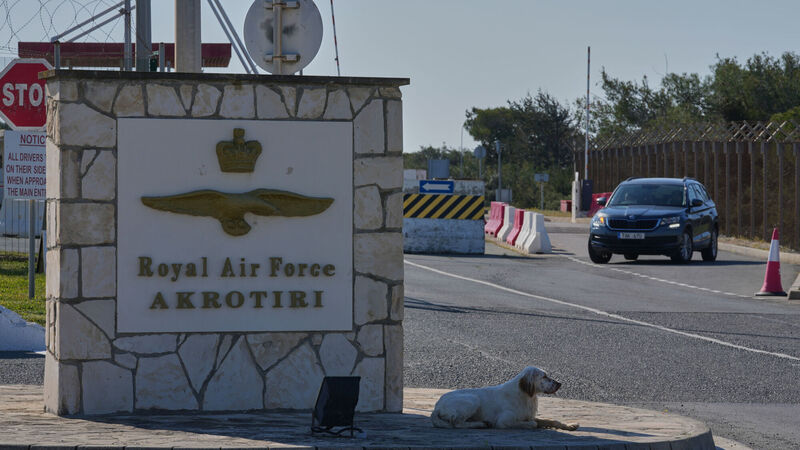
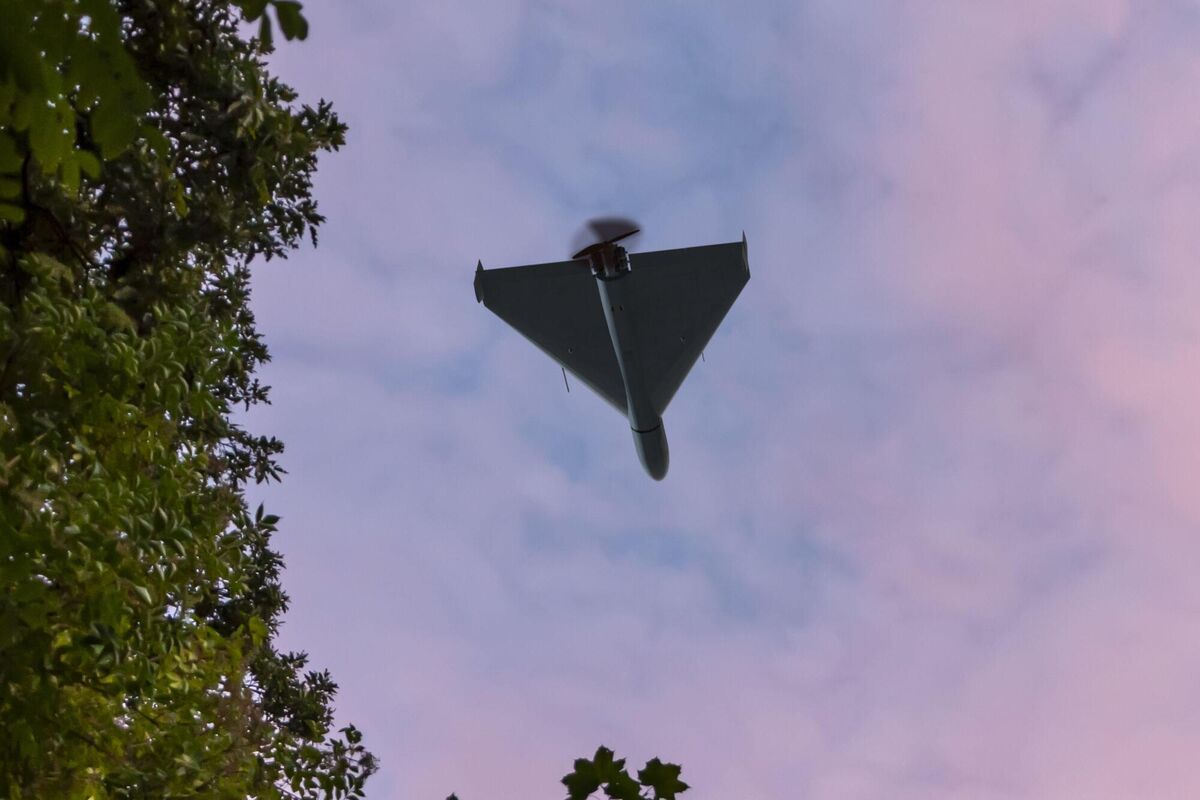
The RAF Akrotiri air base near Limassol was one of the sites in Cyprus hit by Iranian drones. The EU member could invoke Article 42.7 of the Lisbon Treaty. Picture: Petros Karadjias/AP
There are calls for Ireland to assist Cyprus if the country activates the EU’s mutual defence clause in response to continuing Iranian drone attacks.
Experts have said this is all the more important given that Ireland is likely to be calling on fellow EU states to assist it in providing security during Ireland’s presidency of the EU in the second half of 2026.
The focus on Ireland to be seen assisting Cyprus is all more pressing given Cyprus, like Ireland, is a neutral country and is also not a member of Nato.
Cyprus is currently holding the presidency of the EU and will hand over to Ireland on 1 July.
Reports estimated that British military bases in Cyprus have been targeted by some 20 Iranian drone attacks since Saturday, while Paphos International Airport was evacuated on Monday amid warnings of a potential drone strike.
Read More
Under Article 42.7 of the Lisbon Treaty, if an EU country is the victim of armed aggression on its territory, the “other EU countries have an obligation to aid and assist it by all means in their power”.
The obligation does not prejudice the specific security and defence policies of certain member states, such as neutral Ireland.
High-level discussions of the mutual-defence clause are expected to take place among member states and in the Brussels this week and beyond, European Commission spokespersons have indicated.
France, Italy, Greece, the Netherlands, and Spain have so far provided military support to Cyprus.
South East Technological University lecturer in international relations and politics Gerard Arthurs said: “If Ireland will be relying — and we will definitely need to be relying — on fellow EU member states for security and naval assistance during our presidency, it is only right and proper that we should be willing to assist another EU member state if a similar threat arises, particularly another presidency state in the same calendar year.”
Maynooth University professor of European politics John O’Brennan said: “I think it would be entirely appropriate for Ireland to deliver whatever assistance the government deems can be made within the parameters of our commitment to military neutrality.
“I'm sure [the] Government will be conscious that Ireland might be in a similar position to Cyprus when we assume the presidency on 1 July.
"Although the range of threats will probably be different, I am sure they will want to be seen to do as much for Cyprus as possible in the weeks ahead, if developments take a turn for the worse.”
He said that, for Ireland, he did not think it would go beyond the kind of aid it has provided to Ukraine, such as medical help or aid with utilities.
Gerard Arthurs said the guarantees and protocols given after Ireland rejected the first Lisbon referendum gave Ireland “the ability to determine what kind of assistance” it could give under Art 42.7.
“I would think it would be feasible for the Irish government to determine what, if any, military equipment Ireland could provide if so requested by the Cypriot government — and for it to be consistent with our treaty and neutrality obligations,” he said.
Former Irish Naval Service commander Tony Geraghty said he did not think Ireland could provide military air defence capabilities to Cyprus as it did not have any.
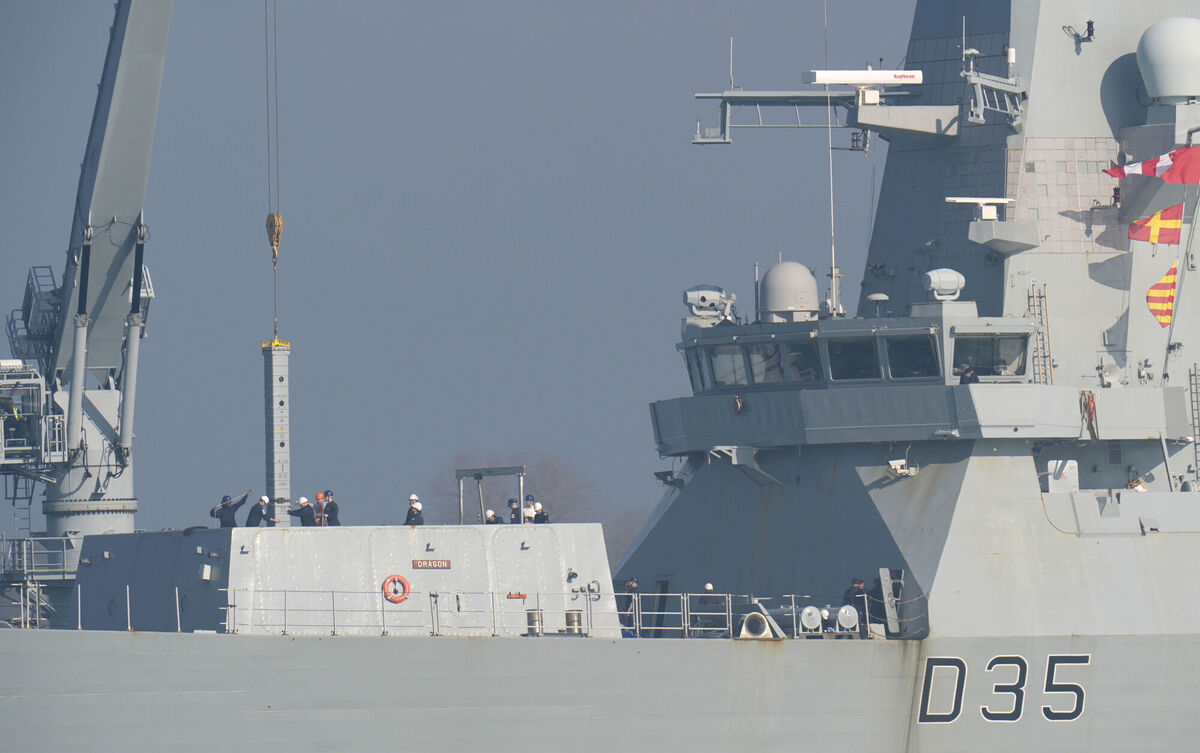
“The UK is sending a Type 45 air defence frigate, which can dominate the airspace," he said.
"They are also sending two AW159 Wildcat helicopters to Cyprus, equipped with Martlet missiles, a lightweight guided weapon that can engage and destroy hostile drones."
He added: “This is the type of capability outlined in the CODF [Commission on the Defence Forces] for LOA 3 [Government accepted LOA2] and is a stark example of why Ireland needs to accelerate to LOA 3 much more quickly than is currently being considered.”
- Cormac O’Keeffe, Security Correspondent
CONNECT WITH US TODAY



Be the first to know the latest news and updates