War in Middle East expands dramatically with fresh waves of attacks
Tehran and its allies hit back against Israel, neighbouring Gulf states, and targets critical to the world’s production of oil and natural gas
War in Middle East expands dramatically with fresh waves of attacks

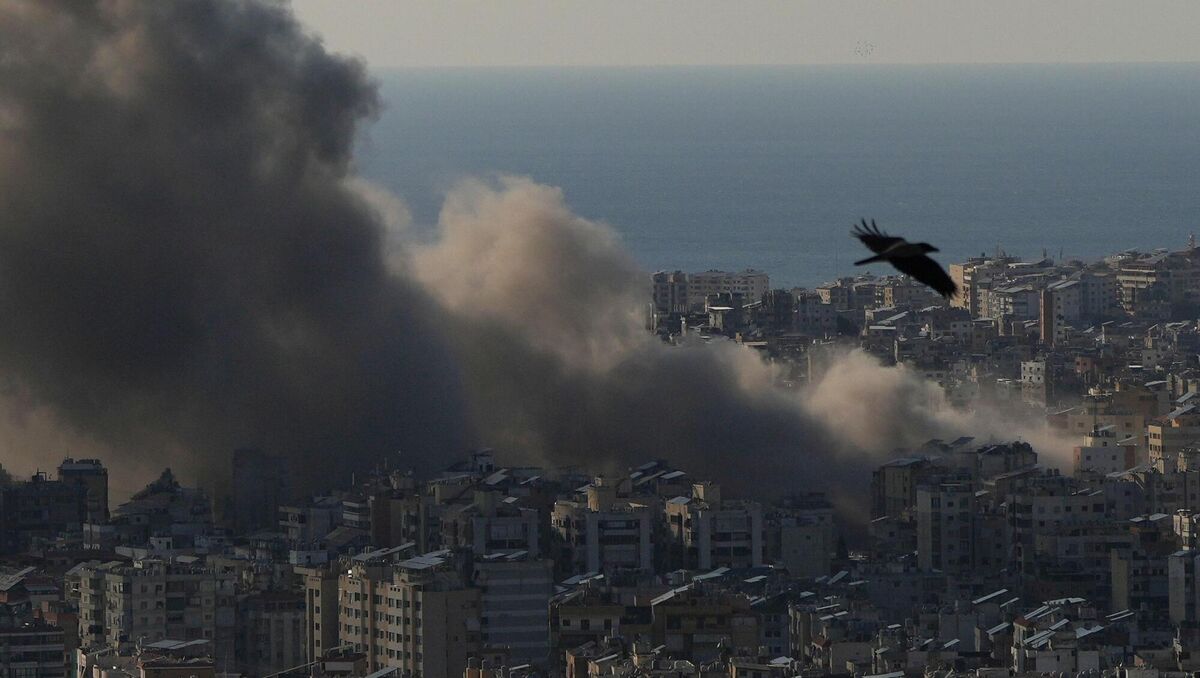
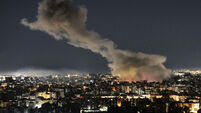
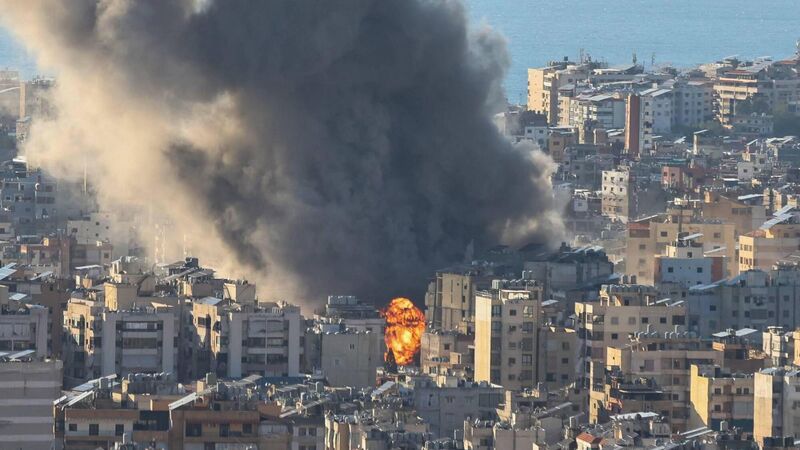
Smoke plumes billow following Israeli bombardment on Beirut's southern suburbs on March 2, 2026. 

The war in the Middle East has expanded dramatically, with casualties and destruction reported across at least nine countries, including major strikes on the Iranian capital, Tehran.

Israeli and US warplanes launched a fresh wave of strikes across Iran, where the Iranian Red Crescent Society (IRCS) said more than 500 people had been killed since the conflict began.

Israel also launched an intense wave of attacks into Lebanon after Hezbollah struck at northern Israel in retaliation for the Israeli strike on Saturday that killed Iran’s supreme leader, Ayatollah Ali Khamenei.

Iranian attacks were reported on oil infrastructure and other targets across a 2,000km swathe of the region – with damage inflicted from the Gulf of Oman, where a bomb-carrying drone boat exploded against an oil tanker, to Cyprus, targeting a British military base.

The US military said Kuwait’s air defences had mistakenly shot down three American F-15E fighters during an Iranian attack.

All six crew members were safely recovered. Video showed one of the planes spiralling out of the sky, an engine lit up in flames, until it hit the ground and exploded in a fireball.

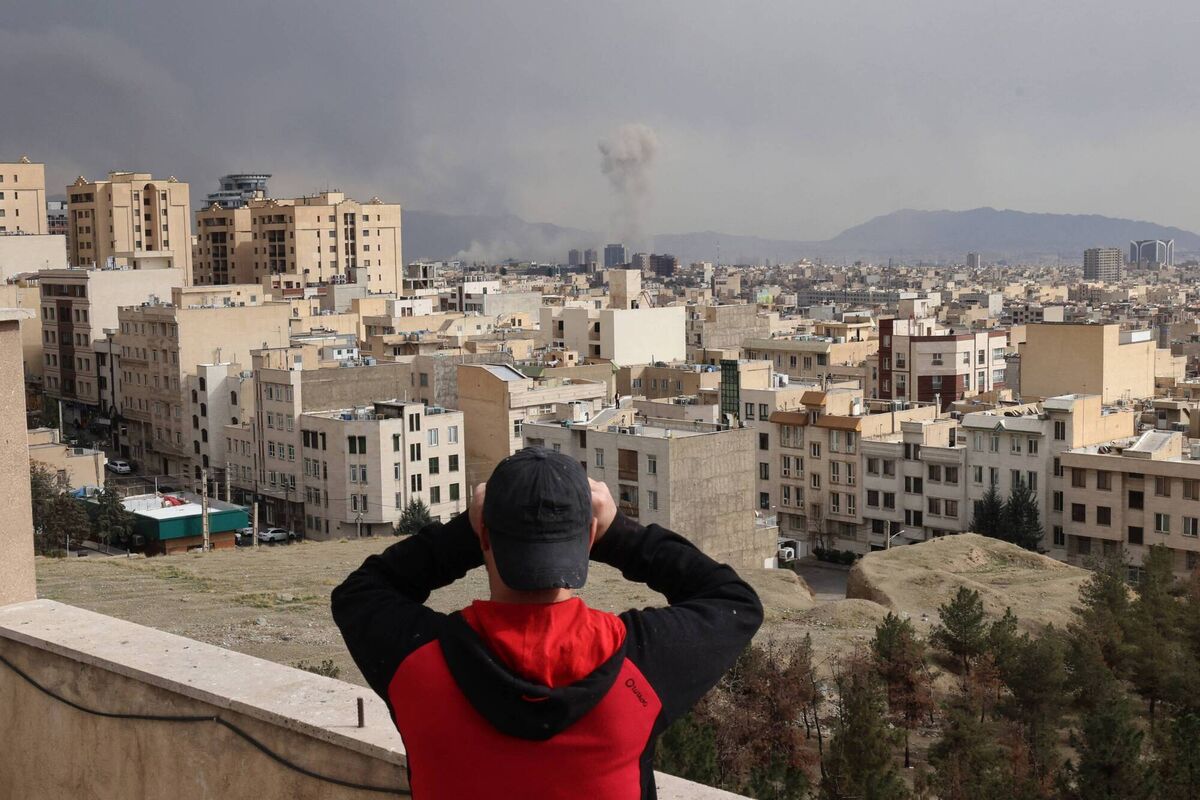
A man looks through binoculars as a plume of smoke rises after a military strike on the capital Tehran. Picture:  ATTA KENARE / AFP via Getty Images

Black smoke rose above the area around the US embassy in Kuwait, where there was a heavy presence of security, ambulances, and fire trucks.

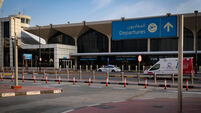
There were loud blasts in Dubai and Samha in the United Arab Emirates, and in Doha, the capital of Qatar.

Saudi Arabia shut its biggest refinery after drone strikes caused a fire there, one of a number of oil installations that became targets.

In the first strike to reach US allies in Europe, a drone hit Britain’s Akrotiri airbase in Cyprus overnight. Britain and Cyprus said the damage was limited and there were no casualties.

The effort to oust Iran’s leadership is the biggest US foreign policy gamble in decades.

US president Donald Trump repeated his calls on Iranians to rise up and overthrow their leaders, and said the air campaign could last weeks, telling CNN the “big wave” of attacks was yet to come.

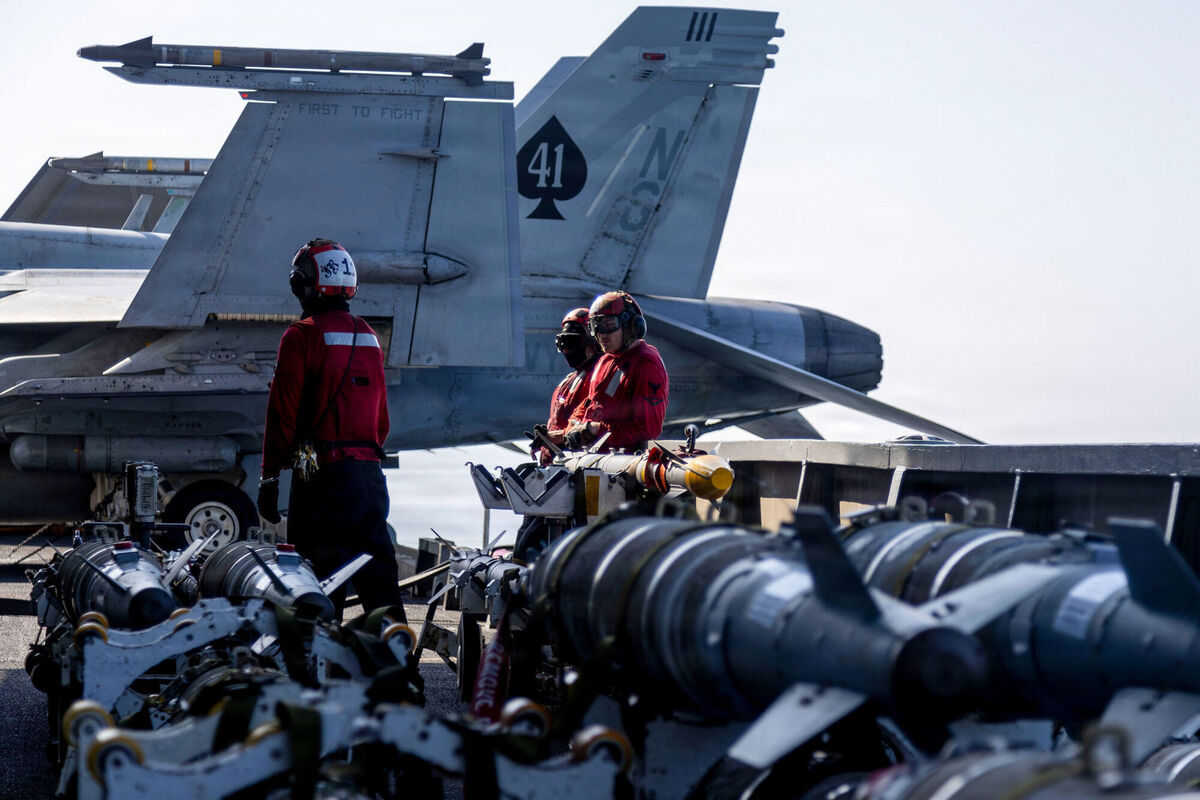
U.S. Central Command shows Navy sailors looking over ordnance on the flight deck of the USS Abraham Lincoln (CVN 72). (U.S. Navy via AP)

“We’re knocking the crap out of them … The big wave hasn’t even happened. The big one is coming soon,” Trump told the network.

The US military said B-2 stealth bombers struck Iran’s ballistic missile facilities with 2,000-pound bombs. Trump said 10 Iranian warships had been sunk and that the Iranian navy’s headquarters had been “largely destroyed”.

Within Iran, where residents have jammed highways to flee cities as bombs fell, there was uncertainty about the future and emotion ranging from apprehension to euphoria.

The Iranian Red Crescent Society put the death toll in Iran at 555 and said more than 130 cities across the country had come under attack.

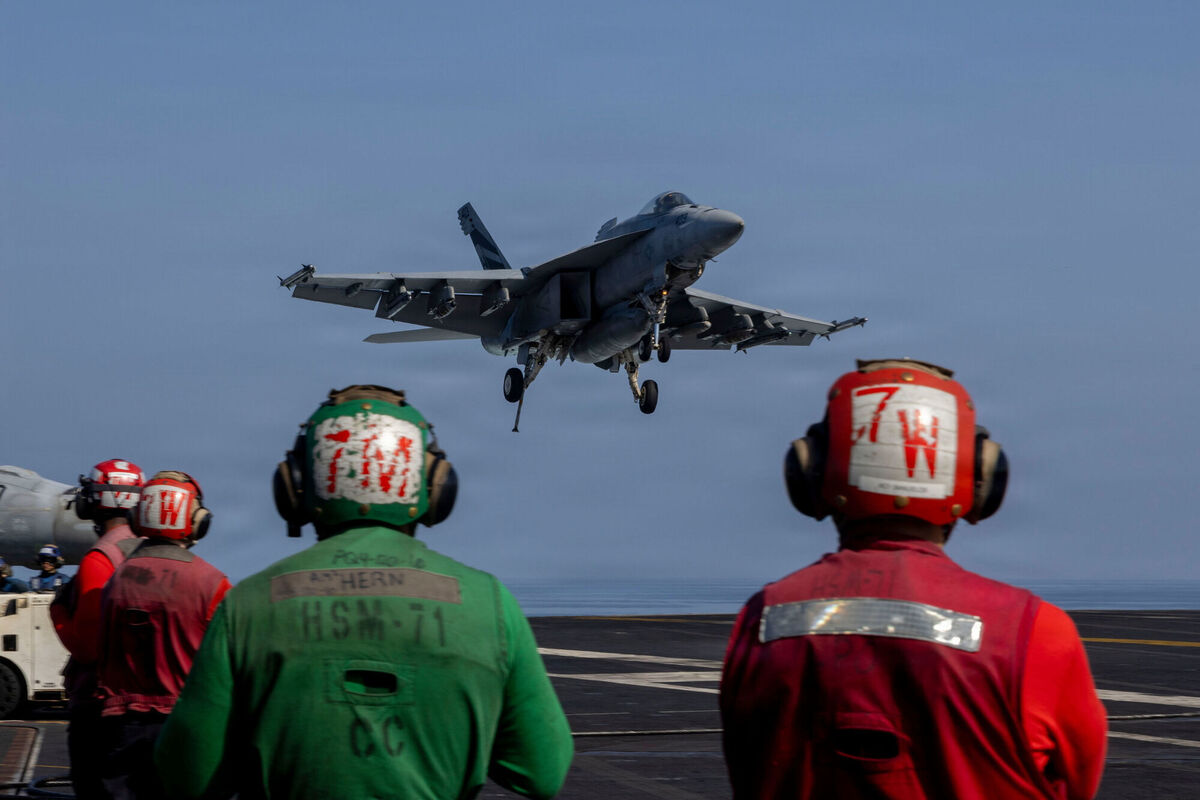
An F/A-18E Super Hornet preparing to make an arrested landing the USS Abraham Lincoln (CVN 72) in support of Operation Epic Fury on Monday, March 2, 2026. (U.S. Navy via AP)

European allies distanced themselves from Trump’s initial decision to go to war, saying it fell short of the legal threshold of meeting an imminent threat.

But they have since said they would participate to help suppress Iran’s ability to retaliate, after Tehran struck their allies.

It remained unclear yesterday what the longer-term prospects were for Iran to rebuild its leadership and replace Khamenei, 86.

Iran’s elected president, Masoud Pezeshkian, said on Sunday a leadership council composed of himself, the judiciary head and a member of the powerful guardian council had temporarily assumed the duties of the supreme leader.

Smoke rises following Israeli airstrikes on Dahiyeh, a southern suburb of Beirut, Lebanon, Monday, March 2, 2026. (AP Photo/Hassan Ammar)

In a post on X on Monday, Ali Larijani, the powerful head of Tehran’s supreme national security council, said Iran would not negotiate with Trump, who had “delusional ambitions” and was now worried about US casualties.

“Iran, unlike the United States, has prepared itself for a long war,” he posted.

At home, Minister for Foreign Affairs Helen McEntee confirmed that up to 22,000 Irish are living in the affected region.

“Airspace has been closed for the most part, and that has meant that no citizens from any country, including Ireland, have been able to leave the area,” she said.

"The most important thing is for people on the ground to follow the advice that has been given in the region.

"That advice is coming directly from UAE authorities, from the authorities within the various different regions.

"I appreciate that that's a very difficult statement to make when people feel like they want to do more, they want to be able to do more.

"But at the moment, because of the uncertainty, because of the challenges, it is important that the advice that is there to stay indoors, to stay sheltered, that people follow that advice."

Tánaiste Simon Harris said the government will monitor any potential surge in oil prices due to the conflict.


© The Guardian

x

More in this section

Cookie Policy Privacy Policy Brand Safety FAQ Help Contact Us Terms and Conditions

© Examiner Echo Group Limited