Defence Forces Ombudsman does not have power to investigate case of commandant denied promotion
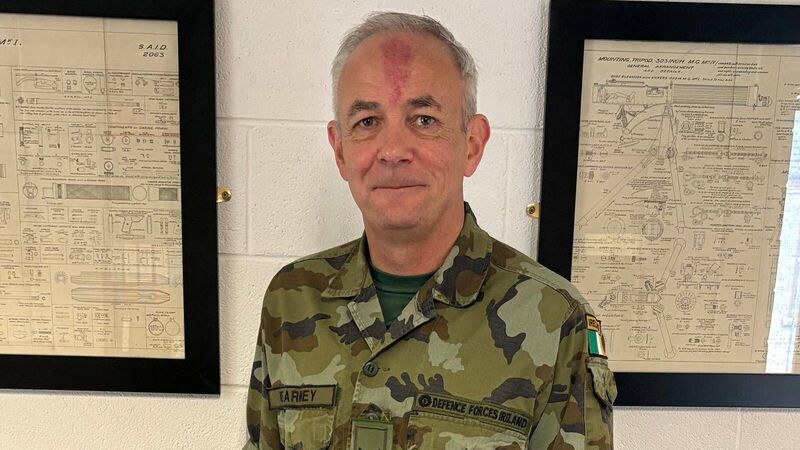
Alan Kearney, who has since resigned from the Defence Forces, was subjected to a protracted and flawed investigation based on WhatsApp messages he exchanged with a former member of the force who was working for An Garda Síochána. File picture
The Defence Forces Ombudsman has concluded that he does not have the power to investigate the case of Commandant Alan Kearney, who was denied a promotion and had 12 criminal charges hanging over him for more than two years despite a complete lack of evidence.
Mr Kearney, who has since resigned from the Defence Forces, was subjected to a protracted investigation based on WhatsApp messages he exchanged with a former member of the force who was working for An Garda Síochána.
This individual made a series of protected disclosures about malpractice in the Garda’s armoury division and had contacted Mr Kearney for advice.
At the conclusion of a protracted process, a court-martial, relating to the storage and destruction of ammunition, ended swiftly when the charges were withdrawn.
Read More
The Defence Forces Ombudsman, retired judge Alan Mahon, described submissions he had received on the matter as “disturbing”.
In a report last year, Mr Mahon wrote of Mr Kearney that “being the subject of serious criminal charges for well in excess of two years has caused him enormous stress and occasional ill health and in the circumstances where these serious charges have been dropped, it is just and proper that his Defence Forces career now be fully rehabilitated”.
The Ombudsman has since investigated a complaint from Mr Kearney that the process was flawed and fundamentally unfair. However, he reported that he is legally restricted from examining the specifics of what Mr Kearney was subjected to.
In his report, Mr Mahon outlined the legislation establishing his office and the limits on its power to investigate military processes.
Before the charges were laid, Mr Kearney was the leading candidate to fill the prestigious position of Captain of the Guard in Leinster House. However, once the process began, he was refused security clearance on the basis of those charges.
Last year, after the conclusion of the court-martial, he was promoted to commandant, but only after the intervention of the Defence Forces Ombudsman. He left the Defence Forces soon afterwards and now works as a security consultant.
“There was clear documentary evidence of investigative failings," Mr Kearney told the . “Yet no independent body was permitted to examine them.
"That would be unthinkable in civilian policing. And it is happening at the very moment the Defence Forces are assuring the public they have changed.”
A spokesperson for the said it does not comment on individual cases.
CONNECT WITH US TODAY



Be the first to know the latest news and updates