ESRI findings shows a 'sense of fatalism' among farmers over bovine TB
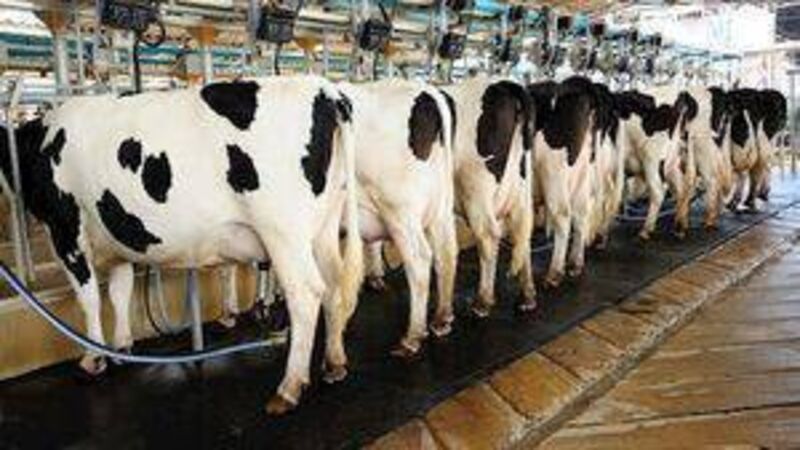
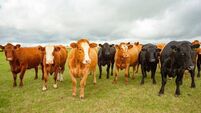
The ESRI said that some measures for controlling the disease in cattle 'are perceived as more worthwhile than others'. File picture
Farmers will only put measures in place to prevent bovine tuberculosis if they believe the actions will actually work, as opposed to because they know that they are required to do so.
That is according to a study by the ESRI, conducted via in-depth interviews with 60 farmers.
It shows a “sense of fatalism” among farmers, many of whom feel that they cannot reduce the risk of the disease due to transmission among animals and testing delays.
Such feelings of pessimism towards the control process for the disease “may reduce motivation to take preventive actions”, the ESRI said.
The study notes that Irish farmers “vary in their understanding of bovine TB, and that while most are aware of the official guidance for actions aimed at curbing the disease, such awareness does not necessarily lead to stronger biosecurity practices.
“Instead, whether a farmer implements recommended biosecurity measures on their farm depends on whether they believe those measures will reduce... risk,” the ESRI said.
While TB in humans was all but wiped out by the end of the 20 th century, eradicating the bovine variant in cows has been less successful.
Last year saw a spike in cases of the disease in Irish herds with more than 43,000 cases noted by September.
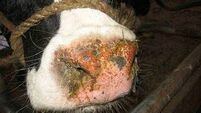
TB is often not noticed in a live animal given its slow rate of progress in cattle, meaning that the illness is often not detected before an animal is slaughtered for human consumption or before a TB test is administered given symptoms are so slow to develop.
Detection of TB in cattle leads to quarantine procedures for the herds in question.
If subsequent tests show that the disease had been contained, a herd can be returned to a normal status thereafter.
The ESRI said that some measures for controlling the disease in cattle “are perceived as more worthwhile than others”.
The farmers said they rated actions that prevented TB from entering the farm — such as keeping a closed herd, stopping cattle from accessing badger setts, and checking the TB history of a purchased animal — as the most effective.
Measures for preventing in-herd transmission were viewed as being of less material use.
Regarding the eradication of bovine TB within the next 10 years, the farmers remain pessimistic, with a majority expecting the situation to be unchanged.
The then government in 2018 committed to eradicating the disease by 2030.
That commitment has since been rolled back on while TB has remained stubbornly prevalent in herds, with the current rate in live animals estimated at roughly 6%.
Last summer, the Department of Agriculture informed the Oireachtas that eradicating the disease by the end of the decade could not be committed to with any confidence given the ongoing high levels of the disease here.
Farmers said the biggest barriers to eradication are not enough culling of wildlife and the purchasing of infected animals from herds with a history of TB.
Some 80% of the farmers said that divulging information regarding incidences of TB within the herd should be mandatory when selling animals, according to the study.
Deirdre Robertson, lead author of the ESRI’s report, said the findings “suggest that communications about biosecurity need to demonstrate the effectiveness of specific recommended measures”.
“Evidence-based narratives, peer-to-peer engagement, and practical demonstrations may be more useful than only supplying information about [bovine] TB or reiterating existing guidance,” she said.

CONNECT WITH US TODAY



Be the first to know the latest news and updates