Half of children aged 8-12 at risk online with no parental restrictions, survey finds
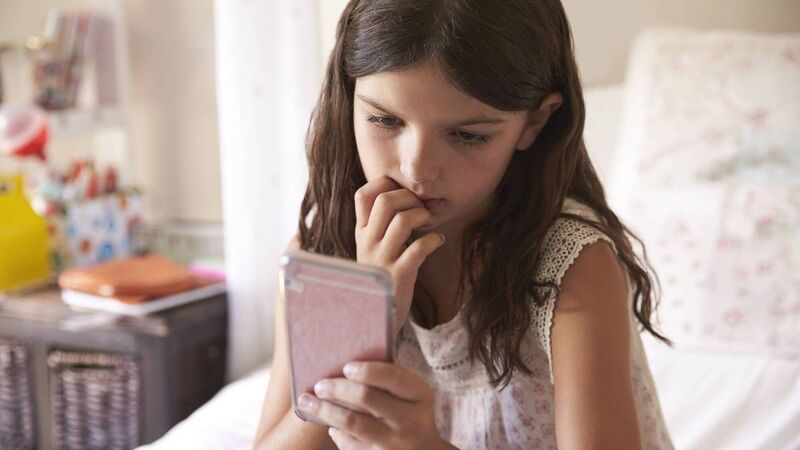
The survey also suggests many parents do not understand the games and apps their children use. See the CyberSafeKids ‘Same Rules Apply’ video below. Picture: iStock
Half of children aged 8-12 are being exposed to the risk of engaging with strangers, as they have no parental restriction on their gaming and chatting online, a survey has found.
As the Government mulls a ban on social media for children under the age of 16, the research also suggests that 80% of 12-year-olds have at least one account on a social media platform.
Online safety charity CyberSafeKids said the data also suggests that a quarter of parents “do not understand” the games and apps that their child uses.
“Our research shows many children are navigating complex online spaces largely alone, with little meaningful parental oversight,” its CEO Alex Cooney said.
“They are using platforms not designed for their age or safety, often sharing photos and videos without understanding who can see them or how far they can spread.”
Released to coincide with Safer Internet Day 2026 and the launch of CyberSafeKids’ new ‘Same Rules Apply’ parental awareness campaign, the survey collected the views of more than 3,300 primary school children aged 8-12 and over 1,700 parents.
An overwhelming majority of these children (93%) go online to game or use apps, often on platforms designed for older users.

Just 39% of 8- to 12-year-olds said their parents can “check, monitor or control” what they do online, which the charity said leaves many exposed to inappropriate content or contact from strangers.
More than a fifth (21%) of children surveyed had some of their accounts set to “public” while 17% said they had “friends” or followers who do they not know offline.
Boys were more likely than girls to have accounts set to public, with 10% of boys having no privacy settings enabled at all.
Almost a third (31%) of children post photos or videos of themselves online, most commonly on TikTok, which is set to face off with the European Commission over the latter’s view that the platform’s “addictive” design must change.
Snapchat, YouTube, and Whatsapp are also platforms where children share images, with girls more likely to do so than boys.
The responses given by children also suggest a lack of parental oversight, with just 47% of them saying there are rules in place at home about having accounts set to private or sharing photos or videos of themselves online.
Meanwhile, many parents feel ill-equipped to handle their children’s online habits with less than half (47%) using parental controls and nearly a quarter (23%) saying they “wouldn’t know where to begin”.

Even when parents set rules, almost half (49%) say they’re not always enforced.
The charity called for decisive action from the Government and recommended an immediate and comprehensive ban on ‘nudify’ and ‘pornify’ apps as well as mandatory online safety and digital media literacy education embedded in the school curriculum.
Ms Cooney added: “Without clear guidance, children may overshare — and with the rise of nudification tools and ‘AI girlfriend’ apps, their content can be altered and misused, putting them at serious risk. Parents cannot manage this alone and urgently need stronger, effective regulation to help keep children safe online.”
Child and adolescent psychoanalytical psychotherapist and columnist Colman Noctor added: “While the exposure to inappropriate content is a real and present concern, we must also be aware that spending excessive time online compromises the development of social interaction skills and emotional resilience.
“We need to help young people to learn the skills of self regulation by role modelling healthy behaviour and protecting them from the allure of online technology.”
Read More
CONNECT WITH US TODAY



Be the first to know the latest news and updates