40% of Irish people believe antisemitism is a problem
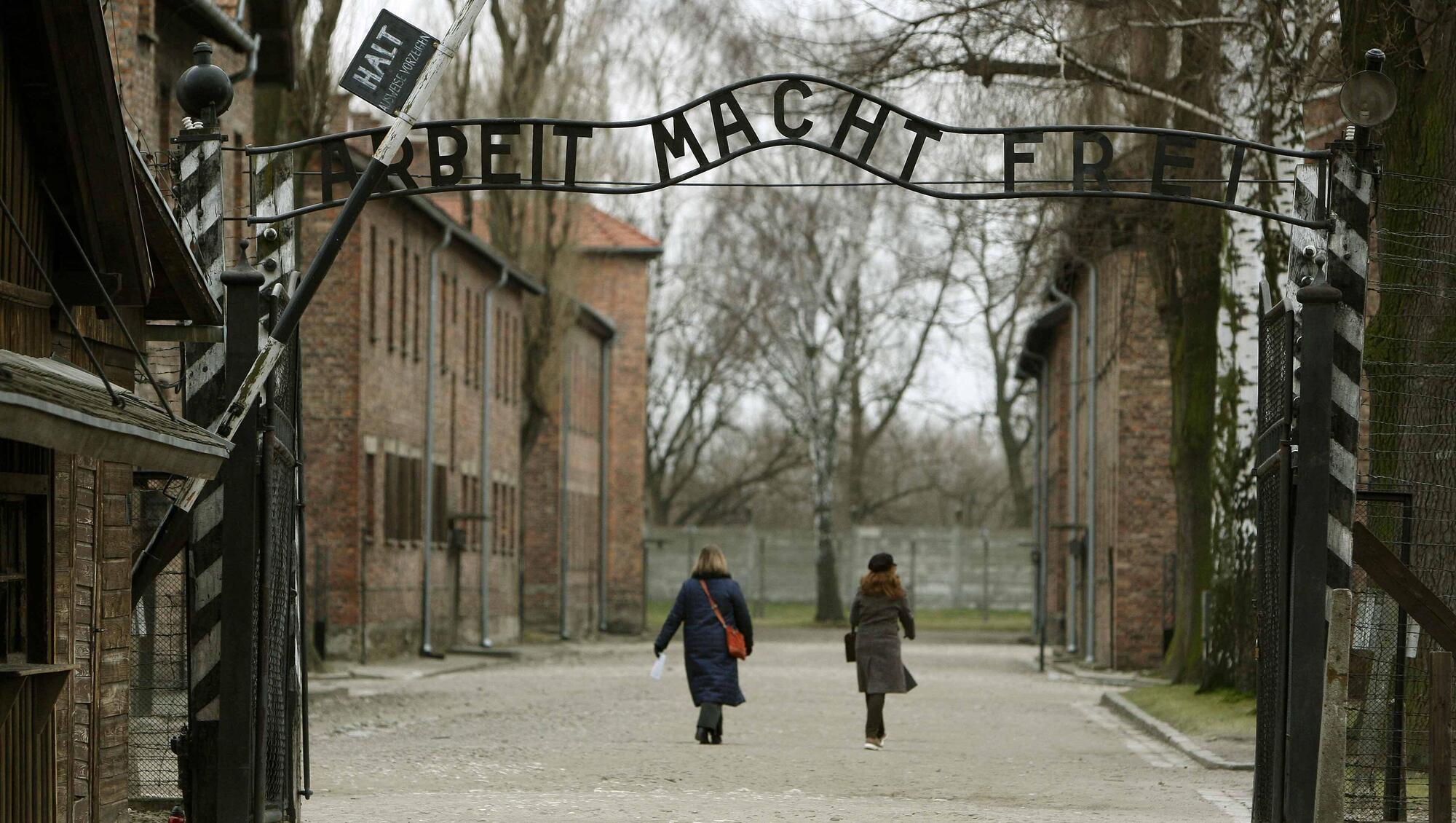
The gates at Auschwitz: Three in 10 Irish people claimed denial of the Holocaust in the Republic was a problem.
More than four in 10 people in Ireland now believe antisemitism is a problem — double the proportion recorded less than a decade ago, according to a new EU-wide survey.
The report by the European Commission found 41% of Irish people now consider antisemitism a problem — up from 21% when a similar survey was conducted in 2018.
It also reveals a large majority of Irish respondents — seven in 10 — believe conflicts in the Middle East influence how Jewish people are perceived in the Republic.
Ireland has the 10th highest rate among the 27 EU member states for concern about antisemitism. It had the lowest rate of any country in the EU eight years ago.
Overall, there has been a slight increase in the number of Europeans who consider antisemitism — a hostility towards Jewish people — as a problem in their country, up to 55% from 50% in 2018.
The perception of the scale of the problem varies significantly, ranging from 74% in France to just 9% in Estonia.
Other countries where a large majority of people believe antisemitism is a problem include Italy, Sweden, Germany, and the Netherlands. There was a majority with the same view in Austria, Denmark, and Belgium.
The Eurobarometer poll sought to obtain an overview of public perceptions, attitudes, and knowledge regarding antisemitism. It surveyed more than 26,400 citizens across the EU, including over 1,000 in the Republic, in November 2025.
Almost half of Irish people (47%) believe the problem of antisemitism has increased over the past five years — the same level as the EU average, and up from 14% in 2018.
The survey showed 35% believe expressions of hostility and threats towards Jewish people in the street or other public places in Ireland is a problem, although the figure was considerably below the EU average of 62%.
About half of respondents identified online antisemitism as a problem (49%), alongside concerns about physical attacks on Jewish people (30%), graffiti or vandalism of Jewish property (27%), and the desecration of Jewish cemeteries (26%).
Some 29% believe antisemitism is a problem in political life in Ireland, with 33% holding the same view in relation to media and 28% about schools and universities.
In all cases, the Irish rates were some distance below the EU average.
Three in 10 Irish people also claimed denial of the Holocaust in the Republic was a problem — half the level of the EU average.
The report said antisemitism remained a persistent and evolving challenge for European societies.
It observed the EU had witnessed a marked increase in antisemitic incidents, online and offline, which affected the daily lives and sense of security of Jewish communities across EU countries.
The report said the trend had been exacerbated by global events, including the escalation of conflicts in the Middle East and the proliferation of hate speech and disinformation on digital platforms.
“The rise in antisemitism poses a direct threat not only to Jewish individuals and communities but also to the fundamental values of democracy, pluralism, and respect for human rights that underpin the European Union,” it noted.
The European Commission adopted its first ever EU Strategy on Combating Antisemitism and Fostering Jewish Life in 2021, covering the period up to 2030.
It accelerated the implementation of the strategy following a significant increase in antisemitic incidents in Europe following accusations of genocide by Israel in Gaza in response to the terrorist attack by Hamas on October 7, 2023.
According to the 2022 census, Ireland’s Jewish population fell by 14% compared with 2016. The census recorded 2,193 members of the Irish Jewish community, the majority of whom live in the Dublin area.
The findings follow a separate recent survey by the New York-based Conference on Jewish Material Claims Against Germany — otherwise known as the Claims Conference — which found 9% of young Irish adults aged 18-29 years believe the Holocaust is a “myth”, while 54% did not know that 6m Jews were murdered during the Holocaust.

CONNECT WITH US TODAY



Be the first to know the latest news and updates