Rise in cases of self-harm among teenage girls and vulnerable groups 'very worrying'
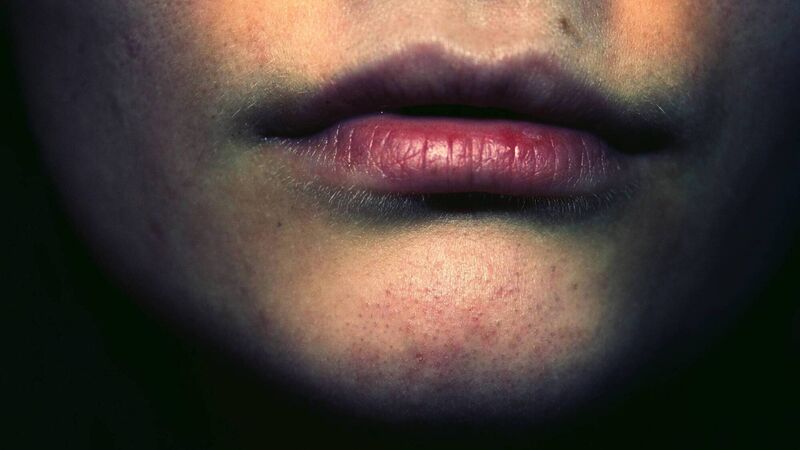
Expert called for targeting of vulnerable groups at risk of self-harm.
Targeted action is needed from the Government and the HSE to stop the inexplicable rise of cases of self-harm among teenage girls and vulnerable groups, a youth mental health expert has said.
Professor Mary Cannon was part of a team from the Royal College of Surgeons Ireland (RCSI) and Kings College London who published a “very worrying” study.
It identified repeated self-harm was increasing among girls, as well as trans and gender-diverse teenagers, and early school-leavers attending Youthreach centres.
The team analysed data from the Planet Youth Ireland project from schools in six counties.
The RCSI professor of psychiatric epidemiology and youth mental health said: "We knew something was happening, but this is the first time we’ve shown it in school children."
"There’s an indication young people are struggling more, and what we ought to notice is certain groups are struggling more than others."
It is not just in Ireland, she said.
“A decade ago, we were very concerned about young men’s mental health. There were quite high suicide rates, but it’s flipped now. And we don’t know why.”
Professor Cannon also highlighted, however, “the very highest rates of mental health problems are in young people who identify as non-binary or trans".
About half of these 450 young people reported "very poor" mental health.
"That is very worrying,” she said.
She is hopeful for action, including better support for youth mental health charity Jigsaw as well as Camhs (child and adolescent mental health services).
“What we’re seeing here is one in five young people reporting poor mental health, one in eight are self-harming, so there is no way that Camhs can cope with that,” she said.
“It just isn’t set up for that prevalence of mental health problems. We have to have alternative routes.
Professor Cannon welcomed the HSE’s reform action plan published last year.
“What we need now is to implement that,” she said.
“There is now a youth mental health office in the HSE. Things are moving maybe not as fast as we would like or young people would like, but the Government has an interest in this area.”
If you are affected by any of the issues raised in this article, please click here for a list of support services.
CONNECT WITH US TODAY



Be the first to know the latest news and updates