HSE ordered to pay €13k in compensation to Lithuanian worker for discrimination
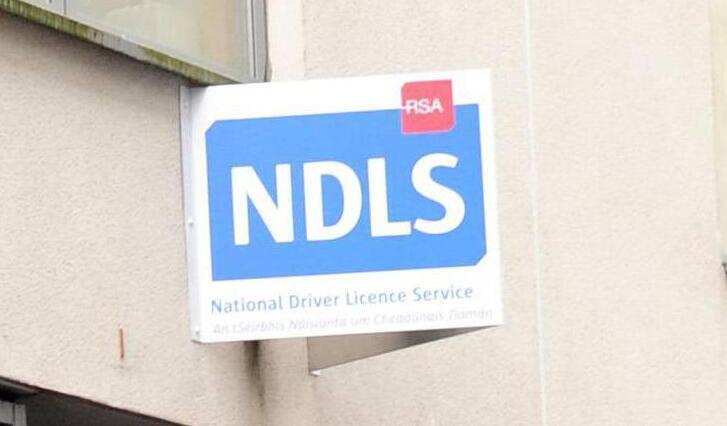
Mr Gvazdauskas had a job offer withdrawn as a result of his inability to provide a statement from the National Driver Licence Service (NDLS) because he held a driving licence from Lithuania. Picture: Eddie O'Hare
The HSE has been ordered to pay €13,000 in compensation to a foreign national who had a job offer withdrawn due to discriminatory requirements it set over driving qualifications.
The Workplace Relations Committee (WRC) ruled the HSE had discriminated against Lithuanian worker Gediminas Gvazdauskas on grounds of nationality, in breach of the Employment Equality Act 1998.
Mr Gvazdauskas had a job offer withdrawn as a result of his inability to provide a statement from the National Driver Licence Service (NDLS) because he held a driving licence from Lithuania.
The WRC heard the impact of the discrimination was significant as the role was with a service with which he had a long-term working relationship and in which he had reasonably hoped to progress his career.
It awarded him the maximum sum of €13,000 allowed under the legislation.
The WRC also ordered the HSE to initiate a review of its selection criteria in roles for drivers in the organisation.
It also directed the HSE to write to the Irish Human Rights and Equality Commission within six months to outline the findings of that review and seek feedback on whether it was meeting its legal obligations.
The WRC heard Mr Gvazdauskas had worked as a site manager for an outsourced contract facilities company that operated in the Central Mental Hospital in Dundrum for about 14 years.
Mr Gvazdauskas decided not to transfer to a new provider of the service when the hospital moved to Portrane in north Dublin and instead applied for a job as a porter/driver directly for the National Forensic Mental Health Service through an open competition.
He told the WRC that he was successful in the application subject to providing a copy of both his driving licence and a copy of a driver’s record from the National Driver Licence Service.
Mr Gvazdauskas said he could not provide a statement from the NDLS as he held a Lithuanian driver’s licence.
He engaged with CPL, the company overseeing the recruitment process, which revoked his job offer after it was determined that he did not meet the requirements of the competition.
Mr Gvazdauskas also had a letter from the Lithuanian licensing authorities which showed he had no offences.
The HSE denied that it had discriminated against the complainant and stated Mr Gvazdauskas had been unable to fulfil a key requirement of the role for which he had applied.
It claimed the vacant role involved driving and the HSE needed to provide the documentation which was unrelated to race as any nationality can obtain an Irish driving licence once they are resident in the Republic.
WRC adjudication officer David James Murphy acknowledged there was a question as to whether Mr Gvazdauskas should ever have held a Lithuanian driving licence given he was a resident in Ireland when he obtained it.
However, Mr Murphy said the HSE’s requirements that he had to obtain a NDLS driver’s statement was separate to the requirement to have a driving licence.
He noted that the HSE did not make having an Irish driving licence a prerequisite for obtaining the role.
Mr Murphy said he was satisfied from the evidence that indirect discrimination had occurred albeit “seemingly unintentionally.”

CONNECT WITH US TODAY



Be the first to know the latest news and updates