Prisons turned into 'human warehouses' by chronic overcrowding — Council of Europe inspectors
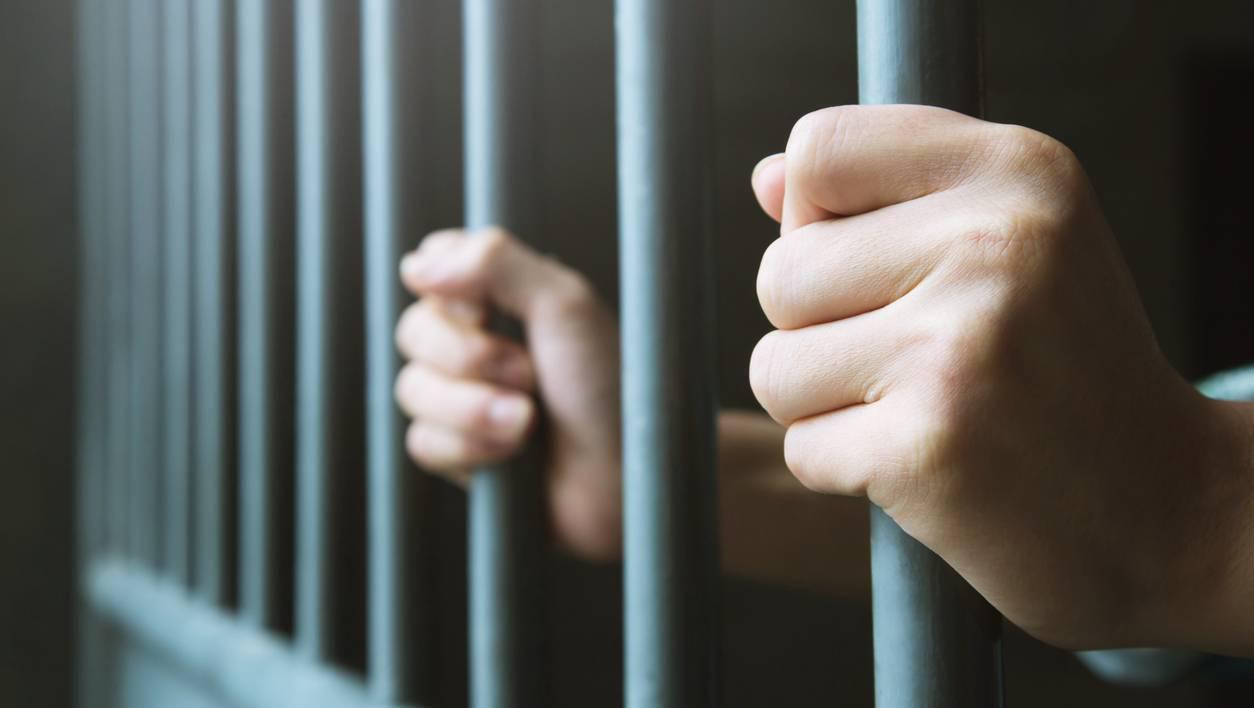
Chronic overcrowding is “plaguing the entire prison estate”, with up to four inmates, including people with mental illnesses, crammed into single cells, an international body has said.
Council of Europe inspectors who visited Irish prisons in 2024 said overcrowding can turn a jail into a “human warehouse”.
The overcrowding crisis has worsened significantly since their inspection, with the prison system now 119% over capacity, compared to 111% in May 2024.
The Council of Europe Committee on the Prevention of Torture (CPT), which inspects every five years, also raised other serious issues:
- Locking prisoners up for 22 or even 23 hours a day, without activities, may amount to “inhuman and degrading treatment”;
- Worsening safety in prisons, affecting both inmates and staff, with “pervasive” violence between prisoners and bullying;
- Allegations of prisoner abuse by staff has “increased”, with incidents of significant injuries, including one case where an inmate suffered a “severe wound” to his head, causing brain injuries, which the CPT said may “amount to torture”;
- The problem of homeless people charged and remanded in custody because they could not be granted bail as the HSE would not accept them “has not changed” since the CPT highlighted it in their 2019 inspection;
- Housing severely mentally-ill prisoners on certain prison wings with more restricted regimes, in addition to a lack of therapeutic care, is "unacceptable" and could amount to “inhuman and degrading treatment”;
- Despite the establishment of the new Central Mental Hospital in Portrane and the "welcome" increase in beds, prisoners with severe mental illnesses assessed as needing transfer continue to face “lengthy waits” during which their condition deteriorates
The CPT team visited five prisons: Castlerea, Cloverhill, Limerick (male and female), Mountjoy Female Prison (the Dóchas centre) and Mountjoy (Male) Prison High Support Unit.
It also inspected the Central Mental Hospital, Oberstown Children Detention Campus, and Ballydowd Special Care Unit in West Dublin.
All the visits took place between May 21 to 31 last year, during which time the team also spoke with ministers, senior civil servants, prison bosses, health officials, garda management, and various inspectors, as well as penal and mental health reform groups.
The CPT did stress that “meaningful progress” had been made by the Irish Prison Service since its 2019 visit. It noted:
- Improvement in the infrastructure for female prisoners;
- The reduced use of restricted regimes of prisoners for security reasons;
- An expansion in temporary release;
- The prison service “almost entirely eradicating” slopping out — where prisoners use a bucket for a toilet.
“However, several entrenched issues of concern remain: pervasive overcrowding, worsening safety in men’s prisons, inadequate mental healthcare, poor treatment of prisoners held on protection regimes, and gaps in legal protections for some of the most vulnerable persons including mentally ill prisoners and young people in detention,” the report said.
It said inter-prisoner violence “remains widespread” with drug-related conflict and contraband smuggling driving “much of the violence”.
It said some inmates had died trying to smuggle drugs into prison and contended that some of these deaths could have been prevented if lessons had been learned from previous incidents.
The report said that in all prisons visited, the CPT observed overcrowded cells where three or four prisoners were “held in cramped, squalid spaces with insufficient ventilation” and sharing a toilet. It said:
It called for “urgent measures” to ensure prisoners do not sleep on a mattress on the floor.
“Vulnerable prisoners should never have to sleep on a mattress on the floor,” it said, adding there was a particular issue in Cloverhill Remand Prison for severely mentally-ill prisoners and an issue affecting “pregnant women” in Dóchas.
In one case, two mentally-ill female prisoners were housed in a “dark, sombre” cell in Dóchas and one of the women “had not had access to a shower for four days”.
On raising this issue, prison bosses addressed the problem.
The report also highlighted immediately with prison authorities the situation of a female transgender inmate on protection in Limerick male Prison’s D1 Unit, who was living in “squalid conditions”, with minimal access to natural light and ventilation and held in 23-hour lock-up.
The CPT recommended greater use of community-based sentencing, adding that it did not think judges were using alternative sanctions to imprisonment “as fully as they should be”.
It said prisons “should have an absolute upper limit” for the number of prisoners that can be held and refuse to take any more.
It said the Central Mental Hospital had an official capacity of 130, but could only operate 112 beds during the CPT visit.
It said expanding capacity should be an “utmost priority” for Irish authorities but expressed concern at the lack of official timeline to do so.
The report said that opening the Central Mental Hospital Intensive Care and Rehabilitation Unit would likely “significantly reduce” waiting times to get in.
The CPT backed recommendations by a 2022 Government High Level Taskforce to set up step-down psychiatric facilities and designate regional psychiatric inpatients units to take mentally ill prisoners.
It said the “most pressing issue” affecting Ballydowd Special Care unit was insufficient capacity and that prolonged waiting times for admission had “significantly worsened”.
It said Oberstown Children Detention Centre needed a “step-down” facility to aid reintegration and gradual re-entry into the community.
The CPT said staff in both youth facilities were “praised” for the child-centred approach and the young people in them reported “largely positive experiences”.
CONNECT WITH US TODAY



Be the first to know the latest news and updates