Human rights watchdog warns that International Protection Bill could 'criminalise' asylum seekers
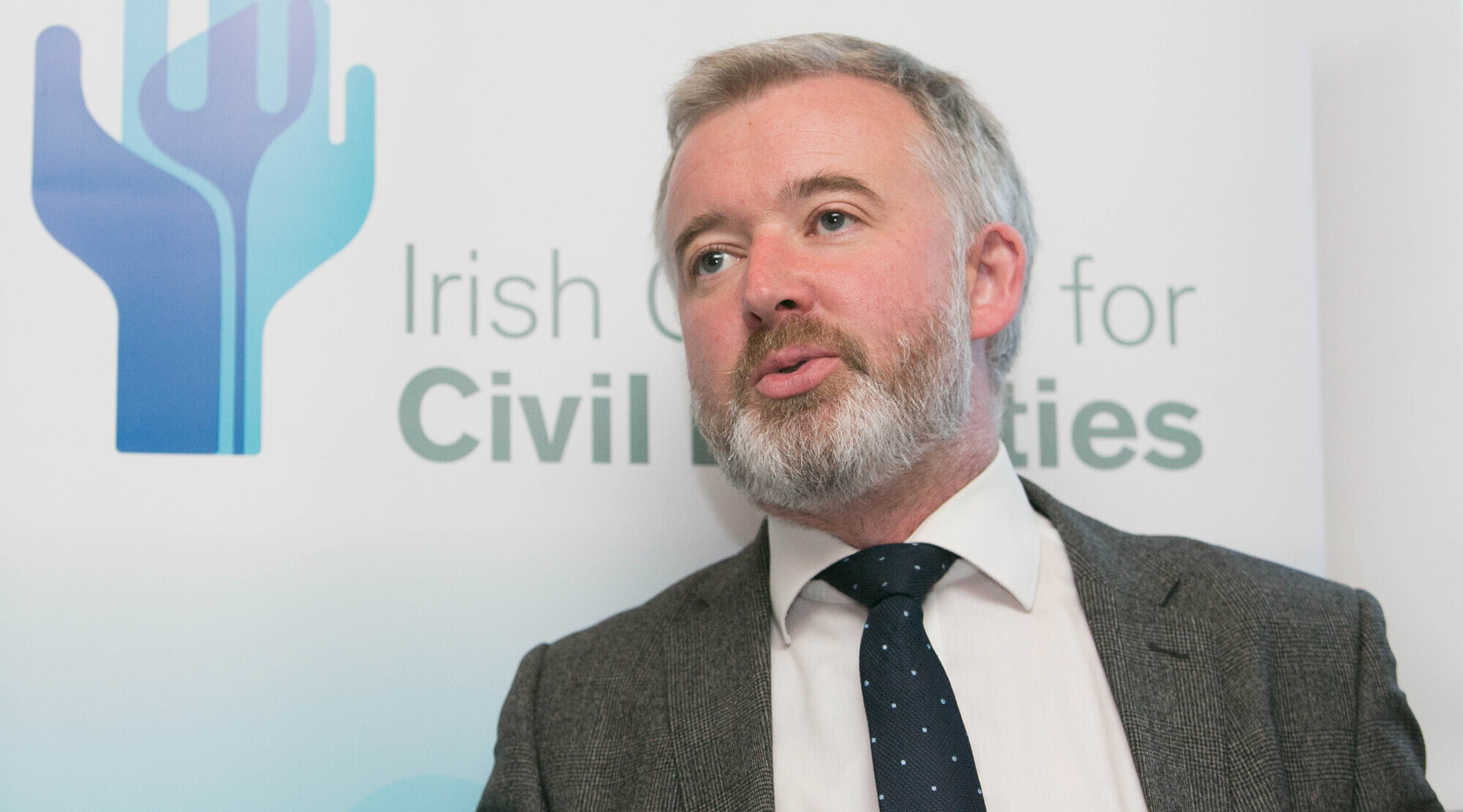
Former director of the ICCL and now chief commissioner of IHREC, Liam Herrick. File picture: Gareth Chaney/Collins
The State’s human rights watchdog has stated that the Government’s draft asylum bill “greatly expands” detention powers and is concerned that it could include electronic tagging and tracking of applicants.
It said the broad suite of powers under the International Protection Bill 2025 “will lead to the effective criminalisation” of asylum seekers in some cases.
The Irish Human Rights and Equality Commission (IHREC) warned the Government that many of its measures could end up being challenged in the courts, including access to legal advice and the treatment of applicants as adults when they might, in fact, be children.
On Tuesday, IHREC is publishing its analysis of the general scheme of the bill, which will implement the EU Migration and Asylum Pact.
Ireland signed up to the pact on July 31, 2024, and published the draft bill on April 29.
IHREC chief commissioner Liam Herrick said:
"In our analysis of the current draft proposals, the commission believes the State is in danger of introducing a system that fails to respect and vindicate the fundamental rights of international protection applicants.
"The proposals regarding detention of asylum seekers, access to legal representation and counselling, and the treatment of children and vulnerable persons give rise to particular concerns.”
Mr Herrick said the commission recognises the “complexity and challenges” facing the State in implementing the pact, but said many provisions could become “mired in litigation”.
The IHREC analysis said the pact aims to “significantly shorten” the application procedure, with a first-instance decision on admissible applications in six months, with appeal decisions within a further three months.
The commission said the general scheme totals 244 pages, and the task in implementing the full EU laws is “considerable”.
IHREC said it was not happy with the level and quality of consultation to date.
The watchdog said the EU legislative acts had already been in place for a year, and it feared issues that might well have been resolved during consultation and Oireachtas examination “may now end up being resolved in the courts”.
The analysis detailed concerns it had over the issue of legal access and the use in the draft bill of legal “counselling” as opposed to legal advice and representation.
It said it expected the “limitations” on legal access and representation will be subject of court challenges.
On the issue of assessing if applicants are children, IHREC said that, based on its experience, it was “concerned that children will not be afforded the presumption of minority” and, with no credible age assessment process in place, “will end up being treated as adults”.
It said this will also result in litigation, and the issue should be addressed as a “matter of urgency”.
IHREC said the bill “greatly expands” use of detention and includes power of arrest without warrant as well as the detention of applicants who refuse to travel to a centre for screening.
It said it was concerned the final bill could include powers including requirements on applicants to sign in and out and obey curfews in accommodation centres, and they could be electronically tagged or tracked on phone apps.