Garda associations do not believe 15,000 target can be met
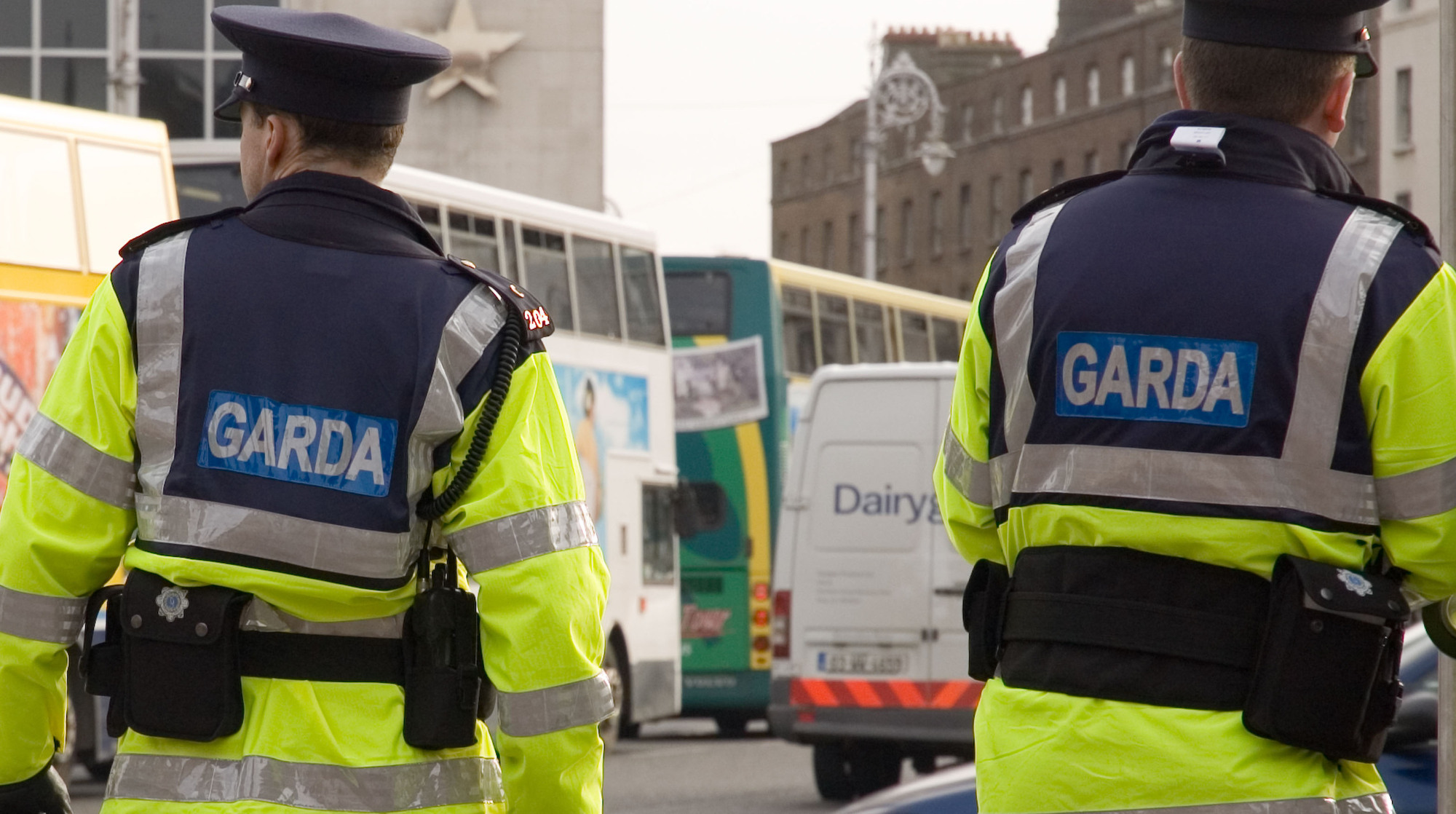
The Garda Representative Association and the Association of Garda Sergeants and Inspectors told the Oireachtas justice committee of their doubts about plans to beef up the headcount in the force. Stock picture: Alamy
Two Garda staff associations, representing the bulk of members, do not believe that Government targets to increase the Garda strength to 15,000 in five years can be met.
The Garda Representative Association (GRA) and the Association of Garda Sergeants and Inspectors (AGSI) also said the morale crisis among members stems from a belief that Garda management is “not listening” to their concerns.
GRA general secretary Ronan Slevin said the Government’s 15,000 target will “definitely not” be met, while AGSI general secretary Ronan Clogher said it was “very doubtful”.
The strength of the force stood at over 14,200 at the end of April, with the GRA estimating that 17,000 gardaí are needed and AGSI estimating 18,000.
Mr Slevin told the Oireachtas justice committee that not only will the 15,000 target not be met but that the recruitment and retention crisis will “only get worse”, unless issues around pay and pensions are addressed. He said these issues include:
- Increasing the training allowance for student gardaí;
- Reducing the time period for increases in Garda salaries;
- Introducing a new “long service” increment to keep gardaí in the job;
- Improving pensions for gardaí who joined after 2013.
The associations said that compounding the staffing problem has been the impact of the new operating policing model, which has reduced Garda divisions from 28 to 21, and made superintendents in charge of departments across divisions as opposed to local districts in a division.
Mr Slevin said the model has been an “unmitigated disaster” which has created “super-sized” divisions — spanning two or three counties — which has “starved” communities of local policing and has “dragged” resources away from local towns to major towns, with gardaí now providing a satellite service.
Mr Clogher said the model has had a “profoundly negative effect” on policing, in particular by removing superintendents out of districts to divisional headquarters, with the effect that “no one knows who is in charge” in districts.
He said the model required “substantial change”, including keeping the new larger administrative units but bringing back superintendents in charge of each district in a division.
He said there was “significant and growing frustration” that members on the ground were “not being listened to” by management.
In a wide-ranging hearing, the committee also heard from the AGSI that there has been a sharp reduction in the number of dedicated community gardaí in the last 10 years — from 807 in 2015 to 697 in 2025 — and that this crucial Garda service “is being eroded and lost”.
Mr Clogher also said that, in addition to increasing garda visibility, it was “very important” that more resources are put into national security.
GRA assistant general secretary Tara McManus said the link between community gardaí and communities is “going and is almost gone”;
She said Garda members were suffering significant mental health issues, caused by burnout, stress, exhaustion, overwork, long commuting, shift work, lack of sleep, and not being able to switch off.


CONNECT WITH US TODAY



Be the first to know the latest news and updates