'I had no idea what the signs and symtoms were': Call for education campaign on prostate cancer

The summit was told 'a government-funded campaign supporting the early signs and symptoms' is needed.
A man diagnosed with prostate cancer at 53 after he had not recognised his early symptoms, has called for an education campaign for men.
Mark McCormick was speaking at the first All-Island cancer summit which also heard calls for cancer services north and south of the border to work more closely together.
“I was diagnosed with prostate cancer in May 2023, it was a bit of a shock obviously,” he said.
Unfortunately, last year the pharmacy owner was told it had spread, and he is now facing treatment for advanced cancer.
“I feel that prostate cancer has less obvious symptoms than other cancers so I had no idea what the signs and symptoms were,” he said.
“I’d really like to see a government-funded campaign supporting the early signs and symptoms of prostate cancer for men — in pubs and clubs, football games, and places like that.”
He added: “I think most men at 53 think 'we’re 33, and we’re bulletproof.' So I think we need a big campaign.”
Siobhan Gaynor, a research scientist turned advocate, spoke at the Croke Park event about the need for more data on advanced or metastatic cancers.
“I became an advocate mainly through shock and horror,” she said.
“I was primary breast cancer one year and then metastatic the following year.
"I was really struck by the difference — in terms of the care, the guidelines, consistency, data — between the primary situation in cancer and metastatic.”
Her hope is to see Stage 4 cancer patients included in the next cancer strategy for the first time.
“Why are we forgotten about? We feel invisible,” she said.
“We’re not captured, we’re not reflected, we don’t know what the group looks like, we’re not in the strategy. That is very disconcerting.”
She said people want to focus on the positive, so information on new treatments is vital.
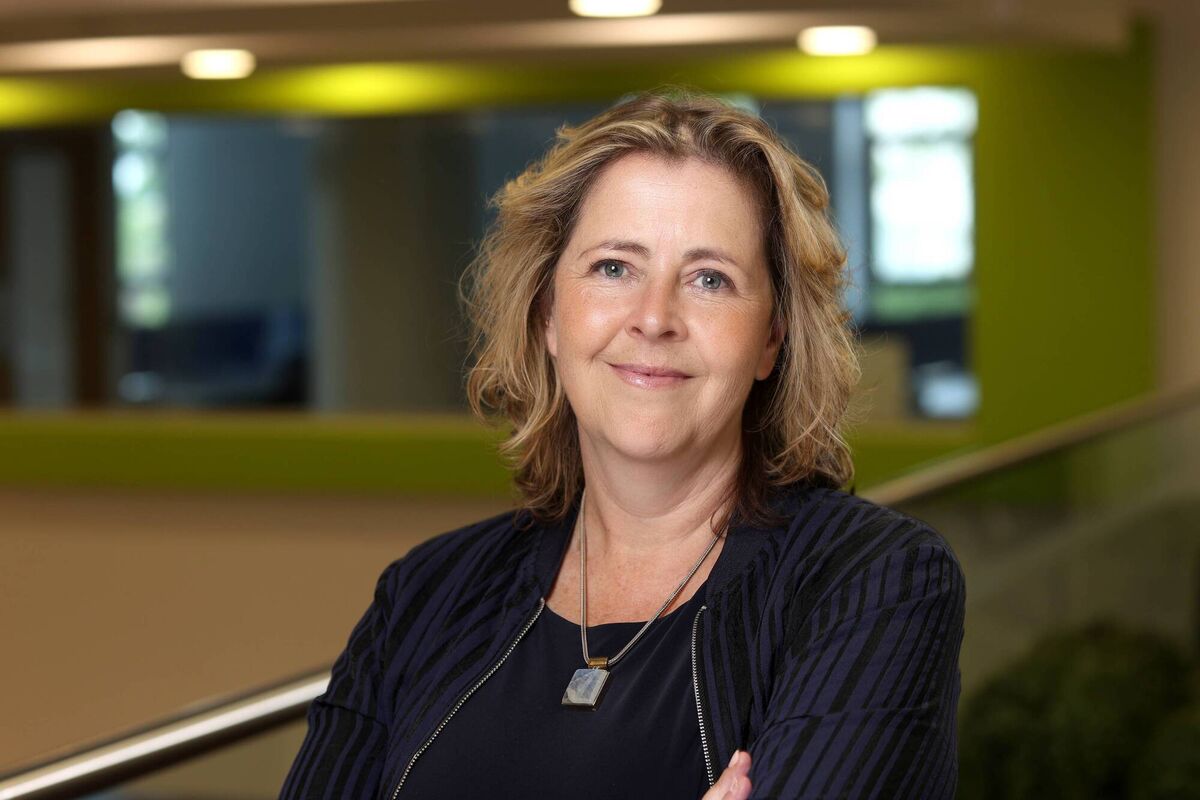
Researchers and doctors from across the island of Ireland spoke about the urgency of creating services without borders.
Professor Aedín Culhane, director at the Limerick Digital Cancer Research Centre, University of Limerick, described the benefits of sharing data.
The rate of cancer in both regions is “expected to double by 2045", she warned.
“By coming together on the island of Ireland in data, we can apply the digital tools available to understand cancer in Ireland, that will accelerate research.”
She predicted collaboration would also improve access to clinical trials for cancer patients.
“Every patient has to be given the opportunity to engage in research if there’s a research programme available on the island of Ireland,” she said.
“So we need to provide services that enable patients in Limerick to attend a trial in Dublin and that their data is connected, so their care team in Limerick know what’s happening.”
A report, , was launched at the event.
It was developed at the eHealth Hub for Cancer, co-led by Prof Culhane and Mark Lawler, professor of digital health at Queen’s University Belfast.
CONNECT WITH US TODAY



Be the first to know the latest news and updates