'For the first time in a decade, I can see': Gene therapy in Dublin restores blind man's sight
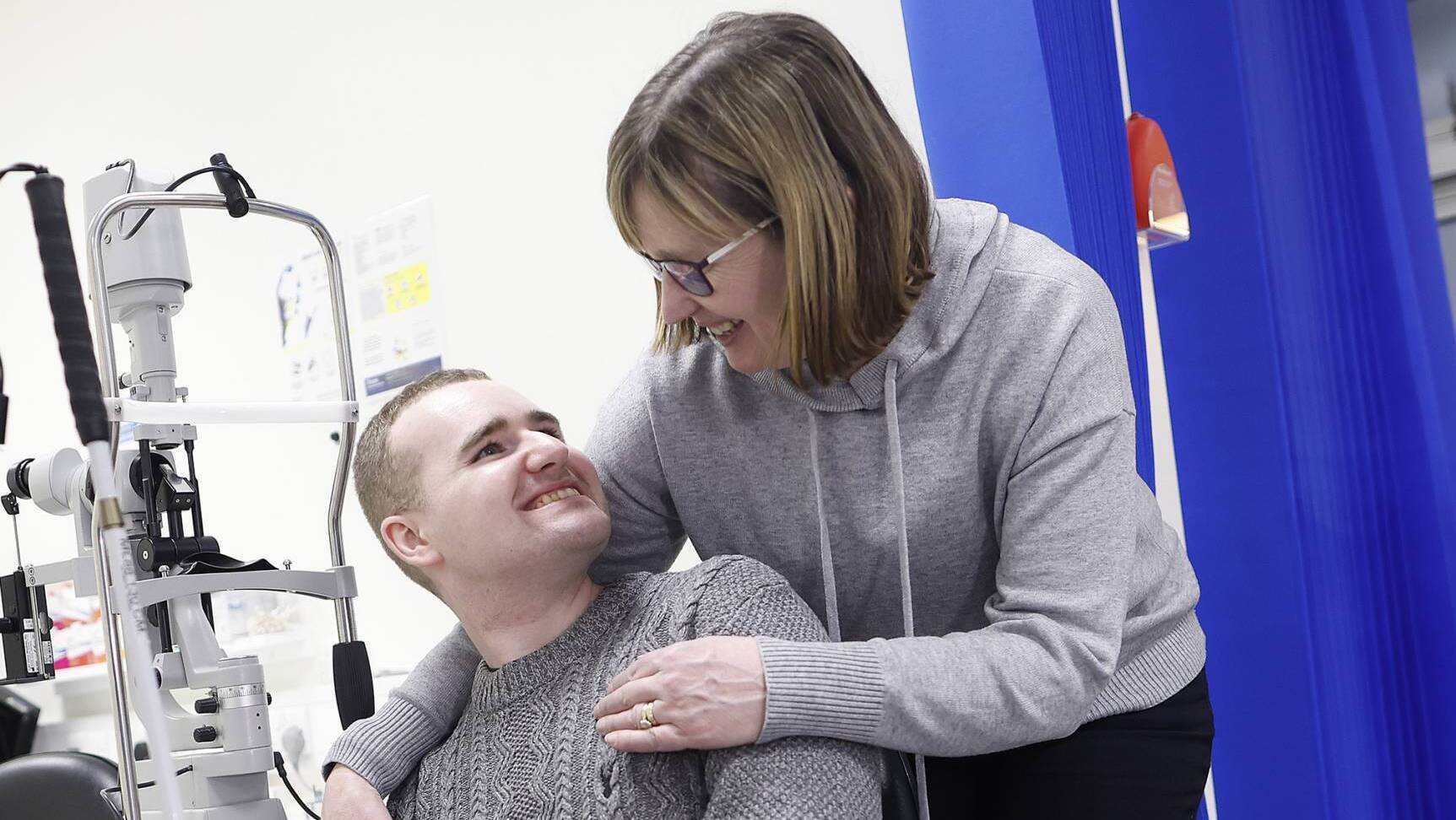
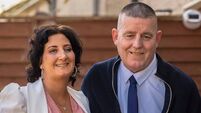
Stuart Haxell from Sligo with his mum Majella at the Mater Hospital in Dublin after 31-year-old Stuart had some sight restored after over a decade of functional blindness. Picture: Julien Behal
The ability to read a letter T on a chart just two weeks after groundbreaking eye surgery left Stuart Haxell shaking — because up to then, he had been functionally blind.
The 31-year-old is the first person to have ocular gene therapy in Ireland and it is hoped many more now can benefit from this life-changing treatment.
“I was born with a visual impairment, I had a lot more sight when I was younger but it just deteriorated over the years,” he said on Tuesday.
"I got to the point where the most I could see was light through a window. The most I could see was the glare if it was really bright but I could not see anything else."
Despite playing blind- and vision-impaired tennis at international level, he said: “I had pretty much given up on finding out what I had.”
However “by chance” he came across the charity Fighting Blindness and its Target 5000 programme.
This is Ireland’s first database of clinical diagnoses and genetic codes for people living with inherited retinal conditions.
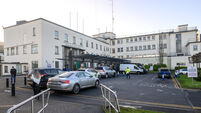
“Everything lined up perfectly,” he said as he was identified as suitable for new treatment at the Mater Misericordiae University Hospital in Dublin.
The Sligo man had surgeries in November 2024 — one on each eye — but was unsure what to expect at first.
“I came up again for Professor Keegan to have a look at my eyes and just by chance he pulled out a large letter card and covered one of my eyes. I was able to see that it was a large letter T,” he said.
He can now see “outlines and blobs of colours” and said: “For the first time in over a decade, I can see the world around me.
“It’s a huge improvement to what I had, it’s been a huge confidence booster for me.”
Prof David Keegan was excited to develop this treatment here, having previously seen three child patients travel to London and France.
“We can treat anybody here now,” he said. “It’s absolutely exciting, that’s what we set it up for, not just for one patient.”
He added: “It’s very important that we can deliver ground-breaking treatments for Irish patients in Irish hospitals. It’s been 14 years' work with a big team.”
He praised the “genius” science underlying this.
“With a very small needle we inject the drug — which is really the fresh, healthy gene inside a virus — underneath the retina," he explained.
"That virus infects the cells of the patient and then transfers that normal package of DNA to their cells so it can make the normal protein needed for the visual cycle to work."
The procedure is most effective when given to children, he added.
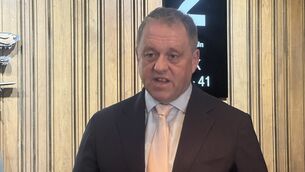
Fighting Blindness CEO Finbarr Roche thanked the Irish public for fundraising to develop the vital database.
“I think it gives patients hope, hope that health research works and so does genetic testing," he said.
"If they are properly combined, I think it’s only a matter of time before we find gene therapies for an awful lot more [conditions]."
He had also pushed for the drug — Luxturna — used in this treatment to be approved in Ireland after the European Medicines Agency approved it for Europe.
"We were about two years behind the rest of Europe," he said.

CONNECT WITH US TODAY



Be the first to know the latest news and updates