Methods to reduce people's belief in conspiracy theories have no effect, UCC study finds
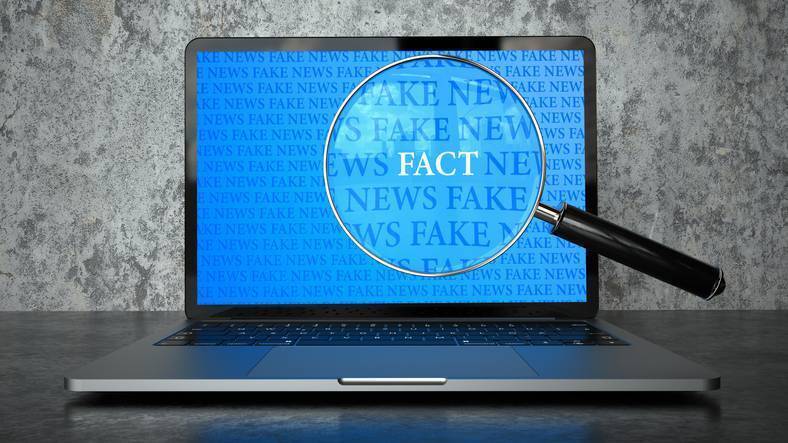
The researchers suggested little research had been done on methods to reduce conspiracy beliefs despite the 'detrimental impact' they can have on personal health, public health, social connection, and public democratic citizenship. Picture: iStock
Methods used by governments to try sway people away from conspiracy theories and misinformation have either no effect or a negative effect, new Irish research has found.
Led by a team from University College Cork (UCC), the study found many well-established programmes for reducing people’s belief in conspiracies were not effective, but training in critical thinking skills could be successful in achieving it.
The UCC researchers said this was the first study — which was funded by the Irish Research Council in partnership with Google — to directly compare methods that are used to reduce people’s belief in unfounded conspiracy theories.
They said conspiracy theories had transitioned from the fringe to become the forces shaping political discourse and public opinion worldwide.
The researchers suggested little research had been done on methods to reduce conspiracy beliefs despite the “detrimental impact” they can have on personal health, public health, social connection, and public democratic citizenship.
“It is important that we are not just teaching people to reject everything that is labelled as a conspiracy theory,” said lead researcher Cian O’Mahony, from the UCC School of Applied Psychology.
"As such, these interventions may be merely encouraging blind rejection of all conspiracy theories.”
One method identified by the study that has been used by the British government was referred to as “priming”. This is when participants are warned of the dangers of believing in unfounded conspiracy theories.
The researchers said the British government used this during its “Don’t feed the beast” campaign to tackle covid-19 misinformation. This took the form of a simple warning that conspiracy theories can often be misleading.
Another method they looked at was “innoculations”, or pre-bunking, which focused on on common hallmarks of such theories such as a lack of corroborating evidence, lone experts, and overcomplication.
“Our analysis produced the novel finding that many of the interventions that are well-established in the research literature have either no effect or a negative effect on participants’ ability to correctly reason about plausible conspiracy theories,” the researchers said.
Furthermore, they said actions to try and reduce susceptibility to fake news often makes people overly sceptical of real news headlines too.
“Our study introduces a new approach that encourages careful judgement and cautions against automatic scepticism,” Mr O’Mahony added.
“Our new intervention, which reminds people not to reject an idea just because it’s labelled a conspiracy, and discouraged blind scepticism, successfully helped participants better distinguish between plausible and implausible conspiracy theories.”

CONNECT WITH US TODAY



Be the first to know the latest news and updates