'The idea that people are having a great time in prison is a bit of a fallacy'
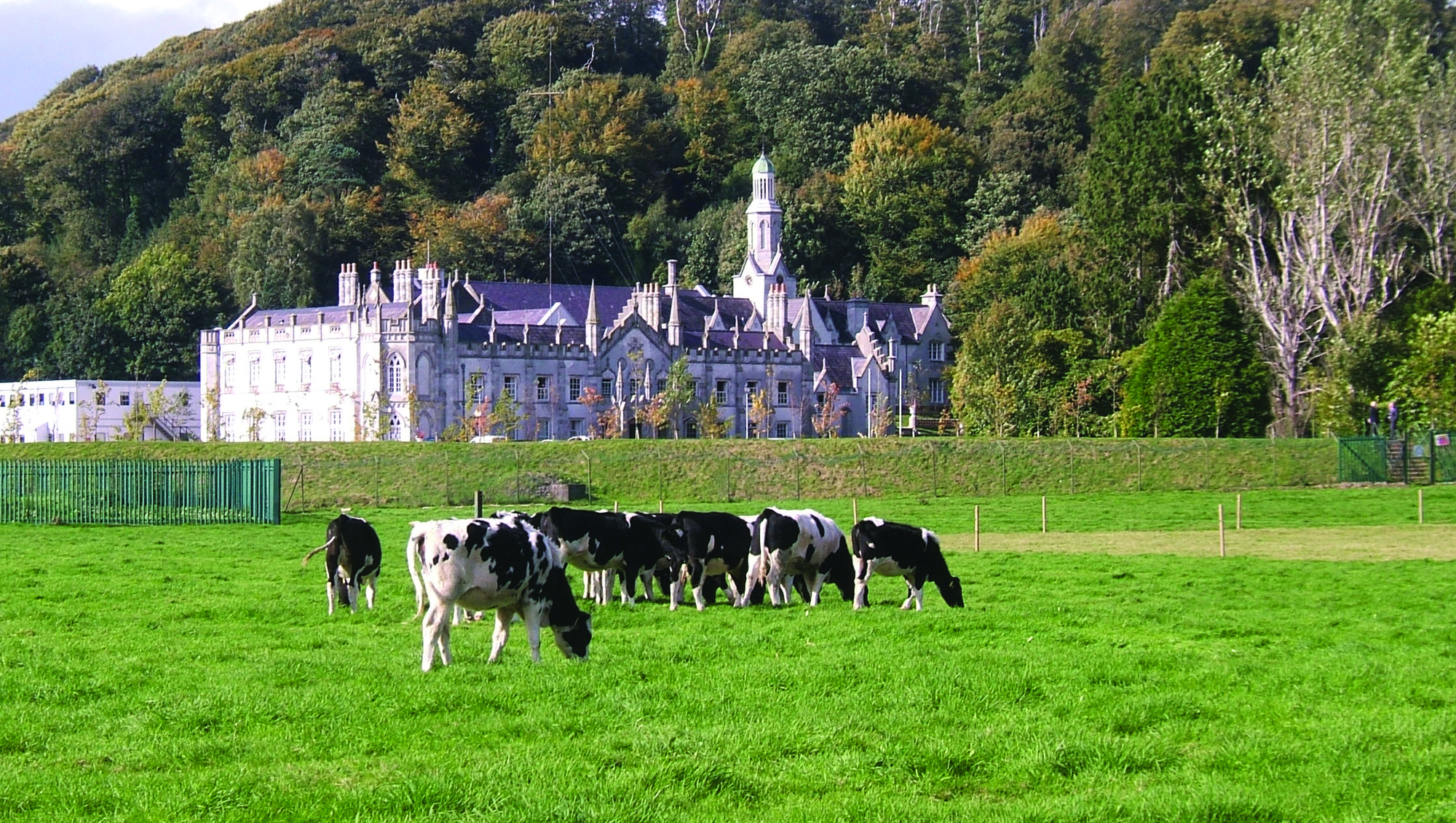
Shelton Abbey in Co Wicklow operates as a low-security prison.
The biggest problem facing long-term inmates when they return to society is how life on the outside has “moved on without them”, the governor of one of Ireland’s two open prisons has said.
Joseph Donohue has been governor of Shelton Abbey Centre in Arklow, Co Wicklow, for the past seven years.
The converted two-story country house, set in the heart of the gardens of Wicklow, has housed some of the country’s most infamous prisoners, including convicted murderers Malcolm McArthur and Brian Meehan.
The low-security centre currently has 111 male prisoners, including 26 life-sentence prisoners.
A 'lifer' can only be released if the minister for justice signs off on it, and even then the prisoner remains on temporary release for the rest of their life — and can be returned to jail.
“There is no commonality among them,” Mr Donohue said. “They can be in for anything except sex crimes, anything to do with children or arsonists.
“After that, it’s anybody we will take, once they have progressed sufficiently through the closed prison system.”
Unlike in other prisons, Shelton Abbey’s inmates are not locked up, they are allowed phones without internet access and there is not "lights out" call at night.
Many leave the centre every day to go to training programmes or employment and return in the evening.
“In a closed prison there is an order of events, times for meals, times you have to be in a certain place, they are locked up for the guts of 18 hours per day,” Mr Donohue told the .
“When you drove in here, the gate was open and there were no guards.
“The guys here get what we are trying to do with them. The programmes are there to help them. They want to go back to society with a skill they hadn’t before and the right mindset”.
But walking out the gate permanently, Mr Donohue said, can be a huge challenge for some prisoners.
“For people who haven’t been in that long, [when they are released] it can be very cathartic for them — it is great to see their family and get back into the swing of things," he said.
“For the longer-term fellas, people doing sentences over and above 12 to 15 years, it can be an anxious time, you can see things that can trigger things in their head, that they never saw before.
“The paying of bills by phone or a watch can trigger a knowledge that life has moved on in society and maybe they haven’t kept up the same pace of change while they have been in prison because prisons are very much like a fishbowl compared to the outside world as they call it.
"So, when they do see glimpses of the world, they can see how far the world has progressed in their absence and that can lead to anxiety as well."
The prison service is now focusing on working with prisoners and families who have been apart for long periods of time.
“When they go back to their family units, I presume that they would see themselves as retaking their place in that family unit,” Mr Donohue said.
“But the family unit has actually progressed in their absence.
“That can cause difficulty sometimes, so we do a piece of the work around reentering society and reentering the family unit before they go, particularly with the longer-term guys, because we kinda think it was an area that was missed.
“Everyone presumes when you do a long stretch, it’s all going to be great, it’s going to be sunshine and rainbows.
“But sometimes it isn’t, you’ve gone back to a family who have got on with things without you, you try to reclaim your place, but your place has been taken by someone else or something else. People have moved on.”
As well family supports and mental and emotional wellbeing, the centre has a number of programmes, including employment and external work, as well as education.
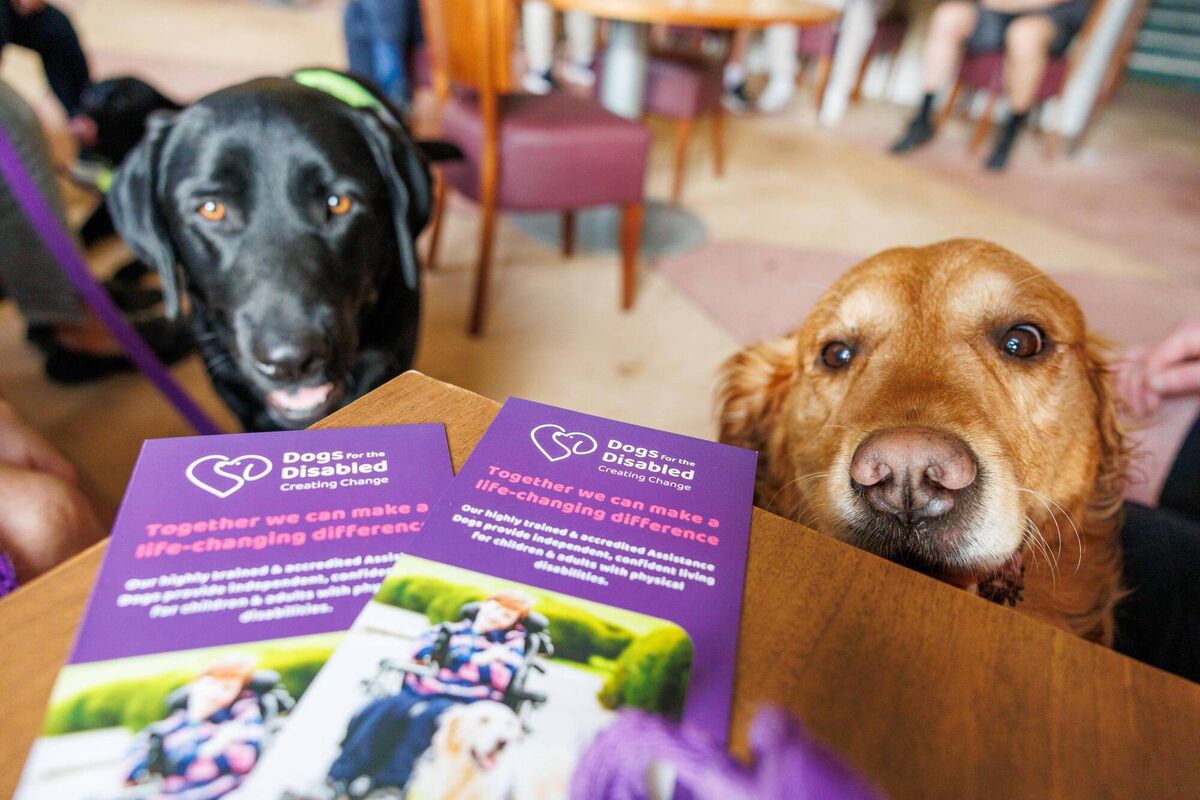
There is also a farm in Shelton Abbey and part of it involves the charity Bóthar, which transports animals to developing countries, while lifers also help train dogs for the Cork-based charity Dogs for the Disabled.
Other courses include upskilling, lessons for truck and driver licences, barista training and “anything that has a transferable skill to help the inmates get employment easier when they leave here”.
“Our programmes and everything we do here, is targeted towards rehabilitation," said Mr Donohue.
And despite the perception in parts of society that inmates are having an easy life, he said facilities like Shelton Abbey were vital to get people ready for life on the outside again.
“The idea that people are having a great time in prison is a bit of a fallacy — while we are very good at looking after the people in our care, prisons are not meant to be a punitive place, we are just here to look after them from a rehabilitation, health and safety point of view while they have been taken out of society.
“It isn’t our job to punish them any further. Our main focus here is not the incarceration piece, it’s the rehabilitation piece.
“We are just getting people ready to go back into society, we hope in a better mental place than they were before they came in.”
CONNECT WITH US TODAY



Be the first to know the latest news and updates