Research finds higher rates of HIV and Hepatitis B in Ireland than previously thought
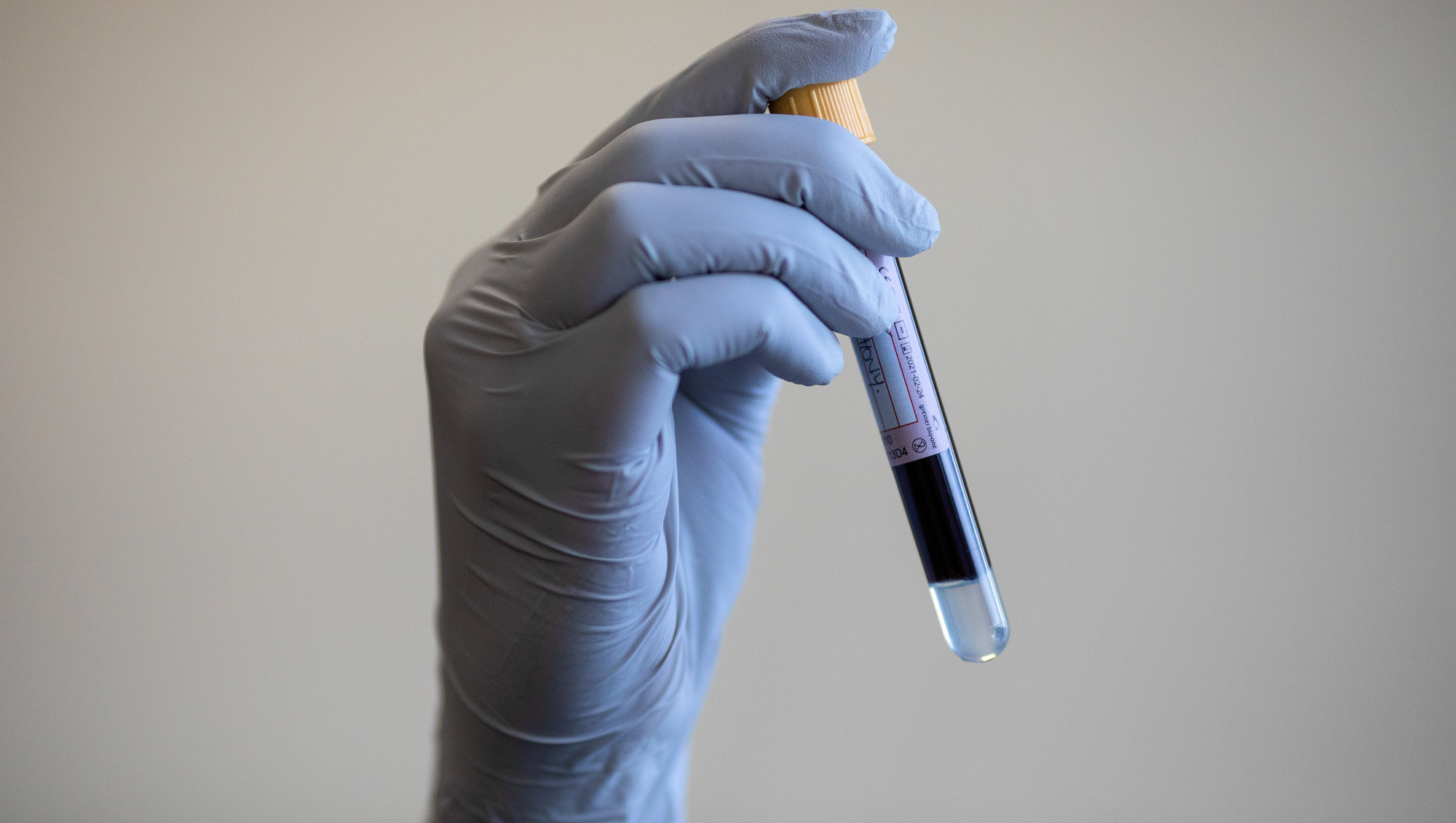
Researchers analysed over 6,000 serum samples from blood tests ordered by GPs which had been tested in eight hospital laboratories around the country for the presence of Hepatitis B surface antigen and HIV antibodies.
The rate of infection of viruses like Hepatitis B and HIV among people living in Ireland is higher than previously estimated, according to new research.
A study to determine the extent of such blood-borne infections in the community also found that the prevalence of both viruses was “significantly higher” in the Cork region than other parts of the country.
The rate of both Hepatitis B and HIV infection was previously believed to be low at 10-20 cases per 10,000 population — a figure equating to 0.1-0.2%. However the latest findings, published in the , suggest the rate of infection for both viruses is notably higher.
Researchers analysed over 6,000 serum samples from blood tests ordered by GPs which had been tested in eight hospital laboratories around the country for the presence of Hepatitis B surface antigen and HIV antibodies.
They included hospitals in Dublin, Cork, Limerick, Waterford, Kilkenny and Sligo.
Evidence of Hepatitis B infection was detected in 0.46% of cases or 46 per 10,000 samples — more than twice the previous estimate. Separately, HIV antibodies were identified in 0.3% of samples or 30 per 10,000 tests — approximately twice the previous estimate.
However, the prevalence of both virus infections was significantly higher among people tested in Cork where Hepatitis B surface antigen were present in over 1.1% of cases — more than twice the estimated national average.
The results of analysis of blood tests of over 1,000 people from the Cork region also found HIV antibodies in 1.05% of samples — approximately three times the national average.
The authors of the study said around two-thirds of all those infected across the country were male which would be expected. However, it expressed surprise at the findings which indicated a much higher rate of infection for Hepatitis B and HIV in the Cork region.
“We are not aware of a reason for this and it may represent a chance finding,” said one of the study’s main authors, Aiden McCormick, a consultant hepatologist at St Vincent’s University Hospital in Dublin.
However, Professor McCormick said further investigation was warranted to confirm or refute such a finding.
Blood-borne viruses like Hepatitis B and HIV can cause serious illness with significant morbidity and mortality, although effective treatment is widely available for them.
Researchers said that while such infections can be controlled with long-term antiviral therapy, it is also important to diagnose and treat individuals with them from a public health perspective to prevent onward transmission.
The study highlighted how the epidemiology of these infections is likely to change as a result of migration patterns and other social and cultural trends.
It observed that international protection applicants in Ireland are offered blood-borne virus screening as many of them come from countries where there is a high prevalence of such infections.
While uptake rates are variable, the national reception centre for international protection applicants at Balseskin, Co Dublin, reported an infection rate of 2.2% for Hepatitis B and 4.3% for HIV among those tested in 2023.
Prof. McCormick said the study suggested the epidemiology of Hepatitis B and HIV infections is changing in Ireland and that the community prevalence of both is higher than previously estimated.
He added: “This has implications for screening and service provision. It highlights the importance of up-to-date epidemiological studies, particularly in societies affected by large-scale migration and social changes.”


CONNECT WITH US TODAY



Be the first to know the latest news and updates