Ireland must address its role in the colonialism that leaves nations in the global south in dire poverty
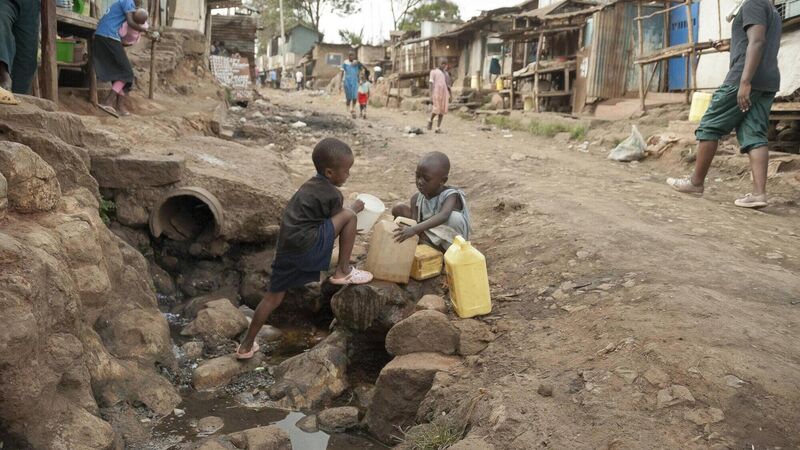
As a state which largely arose out of the ashes of colonialism, we have a unique moral responsibility to confront this reality by enacting policies that move towards a fairer global order.
In a world where billionaire wealth grows three times faster than the global economy, the promises of equality and justice remain unfulfilled for most.
The scars of colonialism are still etched deeply into the present-day economic and political order.
This is not a relic of the past.
It is the living reality of modern-day colonialism, where the wealthiest nations and elites continue to benefit from systems built on subjugation.
Ireland’s history is inextricably connected to colonisation.
For centuries, many on our island endured injustices and exploitation at the hands of Britain.
Today, our nation finds itself in a contradictory position.
As a state which largely arose out of the ashes of colonialism, we have a unique moral responsibility to confront this reality by enacting policies that move towards a fairer global order.
Oxfam’s major report, ‘Takers Not Makers’, published this week, illustrates this point with undeniable evidence, and the spotlight does not shy away from Ireland.
Nearly $100m per day was amassed by the world's 10 wealthiest people, while low- and middle-income nations are spending half their budgets on debt repayment.
Indeed, 60% of global billionaire wealth was inherited, or gained via close connections or monopolistic sources.
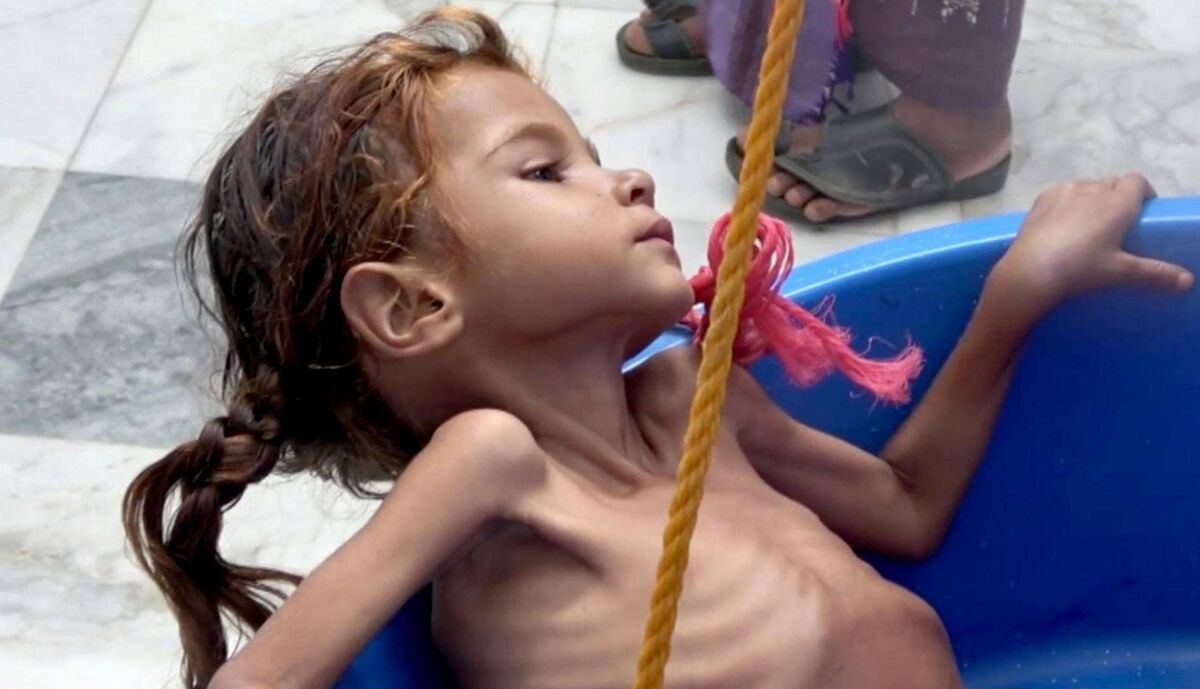
The impact of this extreme disparity and hoarding of wealth on the global south should not be underestimated.
In 2023, the Global North extracted €900bn from the global south through the financial system — four times the amount money spent on aid. It’s time to talk about the elephant in the room that is the global financial system — and Ireland’s role in it.
Ireland’s population is tiny on the global scale, but our economic footprint is anything but. We can see the direct impact of our policies on the global south through climate breakdown. Ireland remains an emissions-intensive economy.
Global north nations hold 77% of billionaire wealth.
This glaring asymmetry cannot be separated from the colonial foundations upon which our economic systems were built.
Colonialism involved the physical, economic, and political domination of territories, often through violence. While formal colonial rule largely ended in the mid-20th century, its structures were never dismantled — they merely evolved.
Today, we live in an era of modern colonialism. The extraction of wealth and resources from the global south continues through global trade systems, multinational corporations, and financial institutions.
The richest 1% in the global north received over €29m an hour from the global south through financial institutions alone in 2023.
We export technology and financial services, often built on supply chains that exploit workers in the global south.
As a state which largely arose out of the ashes of colonialism, we have a unique moral responsibility to confront this reality by enacting policies that move towards a fairer global order.
This is a world where African nations, rich in resources essential for green technologies, remain impoverished, with 43% of people lacking access to electricity.
Colonialism’s legacy is embedded in every global institution, from the World Bank and International Monetary Fund to the United Nations Security Council.
These bodies were established during or immediately after the colonial era, reflecting and perpetuating the power dynamics of their time. G7 countries, representing less than 10% of the world’s population, still hold 41% of the votes in these institutions.
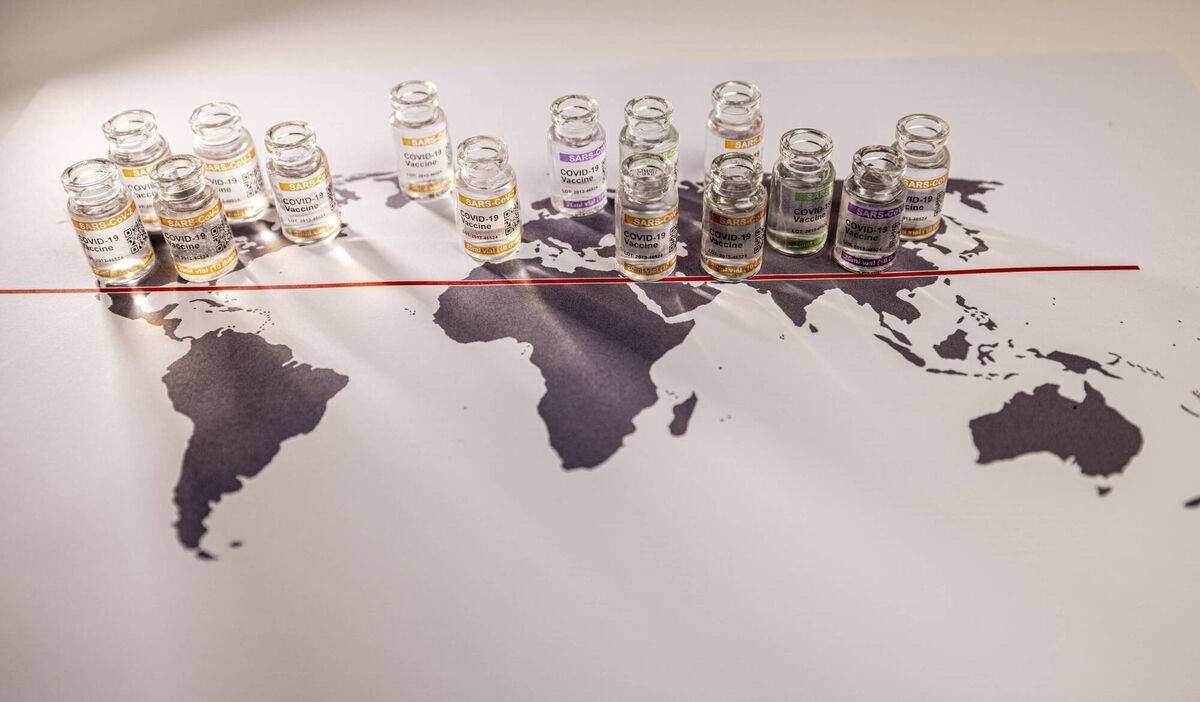
This imbalance was starkly evident during the covid-19 pandemic, when the global north hoarded vaccines while the global south faced devastation.
We must dismantle the structures of inequality that colonialism built and modern colonialism sustains:
- Tax extreme wealth to pay for public services, honour our international commitments and to broaden our own tax base;
- Commit to climate justice by ramping up our domestic climate action and providing greater financial support for countries in the global south experiencing climate breakdown despite having low emissions;
- Lead efforts for a more multilateral world by advocating for debt cancellation, democratisation of international institutions like the UN, the World Bank, and the IMF and regulate corporations to ensure living wages and fair-trade practices;
- Empower the global south: We must foster economic sovereignty and sustainable development led by the global south;
- End ongoing colonial practices: Formal colonialism persists in territories denied self-determination, most obviously in the occupied Palestinian territories. Ireland must address these injustices through its trade links.
Our world can no longer afford the costs of inequality. Without urgent action from Ireland and the global north, it will take over a century to eradicate extreme poverty.
Climate breakdown is fuelled by the consumption of the richest 1%. To live within our planet’s limits, we must prioritise the needs of the many over the excesses of the few.
A radically more equal world is not just a vague aspiration. It is the only path to justice for all, and the survival of our suffering planet.


CONNECT WITH US TODAY



Be the first to know the latest news and updates