Study pinpoints 'critical period' to intervene when combating drug use
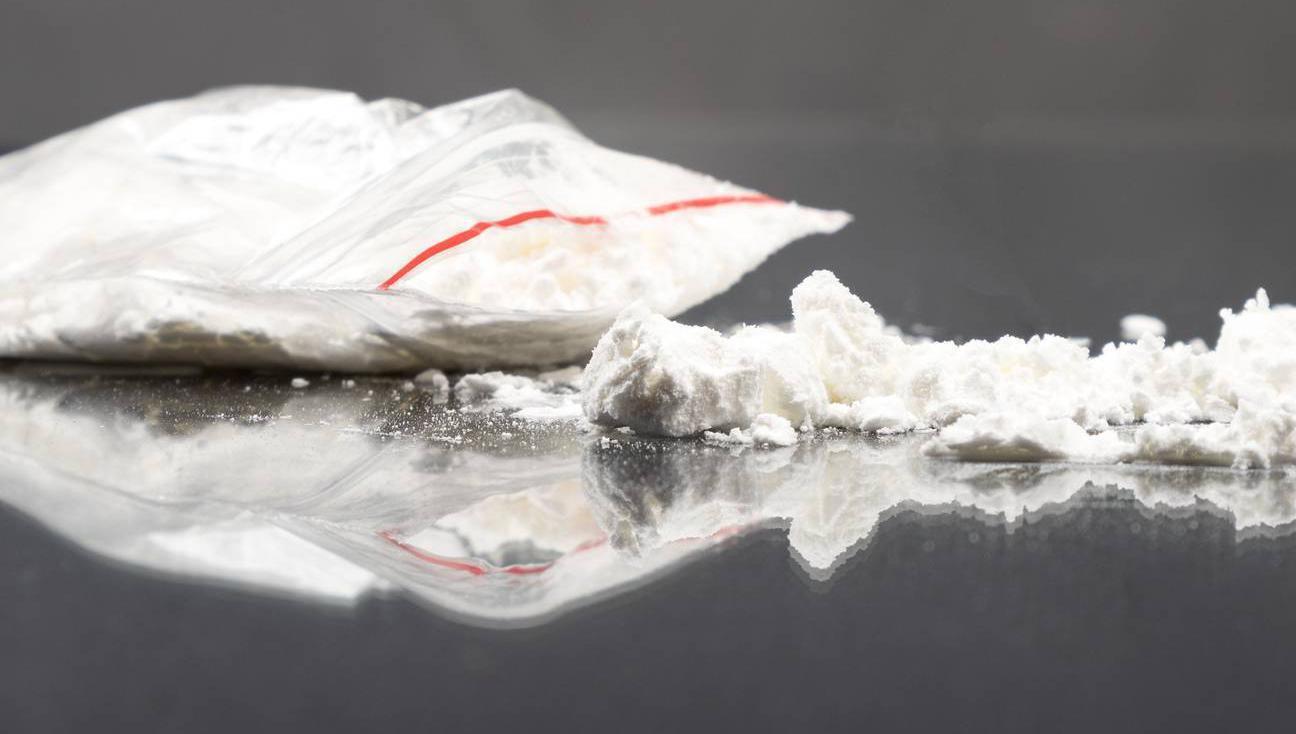
The research said cocaine use is associated with early substance use, with a 'strong gradient of risk' between age of first alcohol and cocaine use.
The late-teens have been described as a “critical period” for intervening on escalating drug use after research among 20-year-olds found that recent use of cocaine (within the last year) jumped six-fold since the same group were surveyed at age 17.
A study, carried out by a team of researchers in Ireland and Britain, conducted a major analysis of Growing up in Ireland, a nationally representative survey of young people in Ireland.

It involved 5,965 people who were followed until the age of 17 and 4,679 people until age 20.
The study, published in the , found that 3.7% of 17-year-olds reported cocaine use — but that this jumped to 23% by age 20. It said this suggests the late-teens is a “critical period for intervening to intercept” riskier behaviours.
The study found the level of cocaine use at 20 was “substantially higher” than reported internationally, although it was similar to a 2021 Irish university survey.
The research said cocaine use is associated with early substance use, with a “strong gradient of risk” between age of first alcohol and cocaine use.
It said having friends who use drugs is strongly linked with cocaine use and that family alcohol use disorder or drug use is associated with increased risk of cocaine use. The study said initiatives that delay alcohol and cannabis use may also reduce cocaine use.
“Extension of school-based prevention programmes with established protective effects to third-level and vocational educational settings, as well as workplaces, could be considered,” it said.
The research team said that with global cocaine supply reaching a record high in 2023, preventative efforts “must focus on reducing cocaine availability”.
The study was conducted by health and psychology academics in Trinity College Dublin and University College Cork, HSE adolescent addiction practitioners and researchers based in the Health Research Board. They were assisted by statisticians from University of Warwick and University of Leicester in Britain.