Election 2024: 'Migrants are scapegoated for years of under-investment in services'
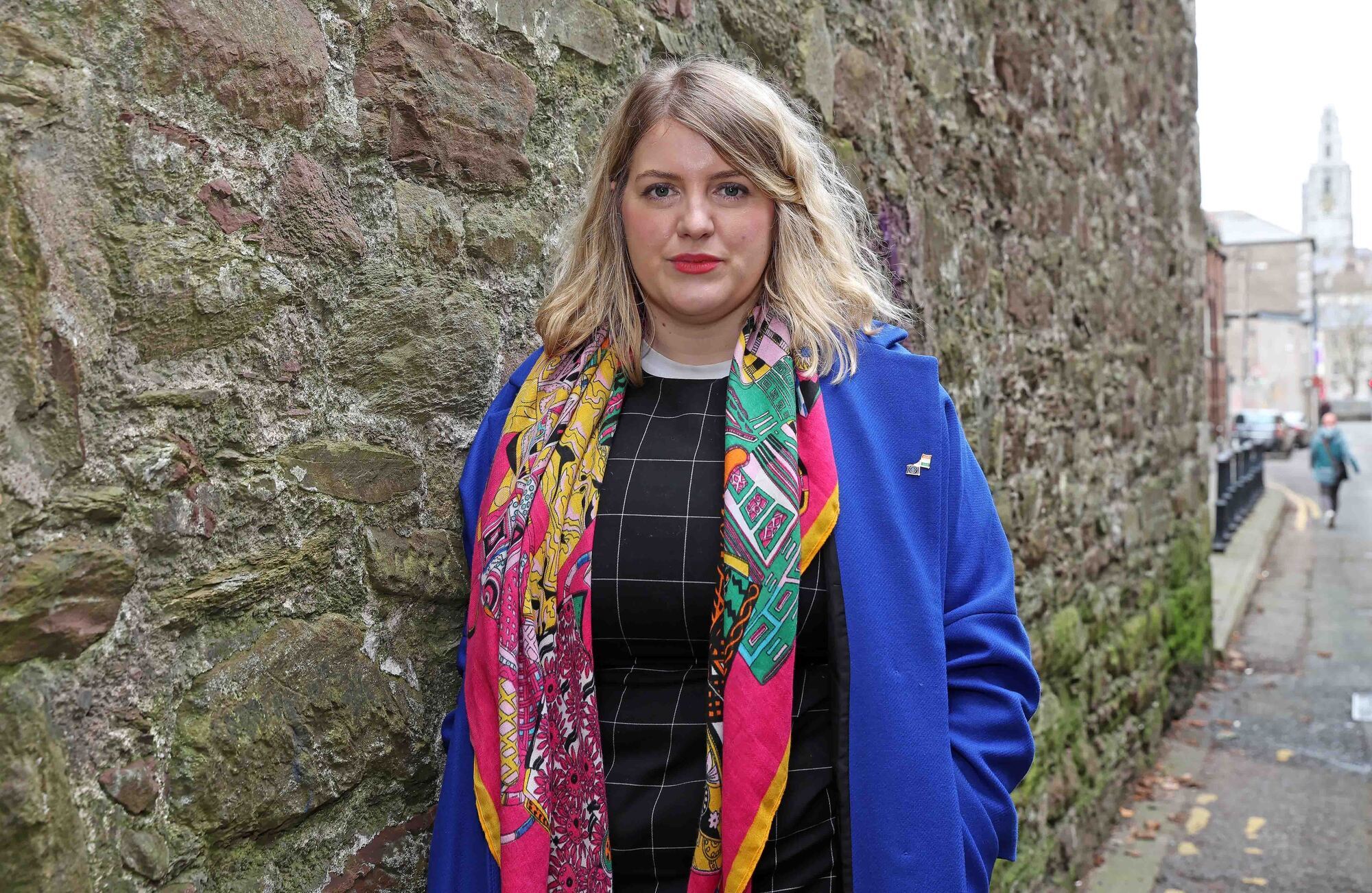
Fiona Hurley, chief executive of migrant rights group Nasc: Opinion polling consistently shows that Irish people still remain largely positive towards migrants to Ireland.' Picture: Jim Coughlan
Migrants have become a convenient scapegoat for years of under-investment in services, Fiona Hurley of Nasc migrant and refugee rights group said.
Issues like access to healthcare, school places and affordable housing have been weaponised against migrant groups when these are actually systemic issues that pre-date an increase in refugees coming to Ireland, she said.
It is now important a false narrative that the Irish public is hostile to migrants is not created, Ms Hurley said.
“Opinion polling consistently shows that Irish people still remain largely positive towards migrants to Ireland. An August 2024 survey found that 64% of people agree that Ireland should welcome people who move here to make a better life,” Ms Hurley said.
“We need to be cautious that some very loud anti-migration voices aren't allowed to dominate the public discourse.

Scroll for results in your area
“Unfortunately issues like access to healthcare, school places, affordable housing have all become weaponised against migrant groups.
“The reality is that all of these are systemic issues that pre-date the war in Ukraine or the increase in number of asylum seekers coming to Ireland.
“Migrants have become a convenient scapegoat for years of under-investment in services and some Irish people have been pulled away from viewing migrants as people.
“This has been amplified by irresponsible social media platforms that actively push hateful or dehumanising content onto our feeds.”
Local communities need to be listened to when they're worried about availability of GP care or school places or transport links but the realities must be separated from the fearmongering, she said.
“We need to do a better job at distinguishing between good faith concerns where there's an openness to finding solutions and the type of fearmongering that is leading to violence and intimidation.”
Some far-right activism has led to tents being set on fire, asylum seekers being assaulted and volunteers being harassed and intimidated, but the vast majority of Irish people are horrified by this, Ms Hurley said.

“There is a second more insidious element to this on social media that people are less aware of.
“Many of us scrolling through our social media feeds may not recognise that what we are watching, reading and hearing is often part of an engineered campaign of misinformation and dehumanisation.
“Social media companies have confirmed how their algorithms are contributing to this in a negative way.
“Meta’s own internal research reported that ‘64% of all extremist group joins are due to our recommendation tools… Our recommendation systems grow the problem’.
“Research by Sam Doak, a journalist with Sky News, earlier this year found that a small number of American accounts are trying to create division by driving anti-immigration sentiment on Irish social media.
“We would like to see strong enforcement around the Digital Services Act requiring social media platforms to be far more transparent around their content moderation policies and to act on illegal content and disinformation.”
Local and migrant communities across Ireland also need significant support in recognising and responding constructively to division in their community, both online and in-person, Ms Hurley said.
“We need to see public representatives and authorities take a very clear stance on this, in public policies and media engagement but also in the more private, direct engagement with members of their communities.”
But immigration may not be as big an issue in the general election as some would say, she believes.
“The majority of voters are mostly concerned with the everyday issues in their lives such as the cost of living, healthcare and housing.
“In 2023, nearly four in every 10 of Irish doctors registered with the Irish Medical Council were trained outside of Ireland and 23% of all nurses and midwives employed by the HSE were from outside of Ireland.
“We strongly believe that everybody deserves a roof over their head, access to healthcare, and a safe community to live in.
“Nasc and our partners in the STAD [Standing Together Against Direct Provision] Coalition will be promoting the importance of higher targets and delivery of social and affordable housing, social inclusion and long-term solutions for migrant integration — solutions which will benefit everyone in our society."
CONNECT WITH US TODAY



Be the first to know the latest news and updates