Government decision to ratify protocol on rights of people with disabilities follows years of campaigning
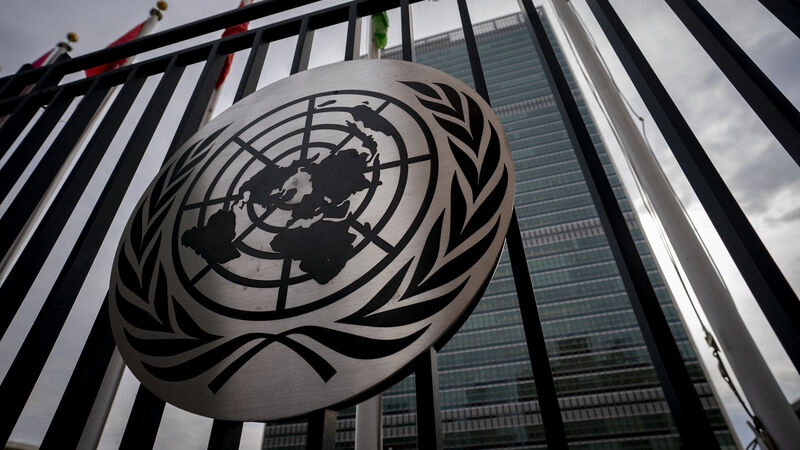
The United Nations Convention on the Rights of Persons with Disabilities is an international human rights treaty to protect the rights of those with disabilities. Picture: AP/John Minchillo
The Government's decision to finally accede to the optional protocol of the UN Convention on the Rights of People with Disabilities brings to an end the years of campaigning by disability advocates.
They will now turn their attentions to the timeline of implementation.
Just last week the Irish Human Rights and Equality Commission published its submission to the UN Human Rights Council on the implementation of recommendations made during Ireland’s Third Universal Periodic Review in 2021.
The main recommendation of that was that the State "proceeds with the immediate ratification of the optional protocol to the Convention on the Rights of Persons with Disabilities".
But what does ratification actually mean? The protocol is, at its heart, a way for disabled people to make individual complaints to the UN if they feel their rights are being denied by their home country.
Countries which ratify the optional protocol agree to "recognise the competence of the committee on the Rights of Persons with Disabilities to consider complaints from individuals or groups who claim their rights under the convention have been violated".
The committee can request information from and make recommendations to a party. It is an optional addition to the United Nations Convention on the Rights of Persons with Disabilities, which is an international human rights treaty to protect the rights of those with disabilities.
Disability groups have since 2018 campaigned for the Government to accede to the optional protocol, but have faced resistance.
The lack of ratification was pinpointed by a number of advocacy groups as a reason to vote against the care referendum back in March, which was resoundingly defeated.
Writing for this paper, independent senator Tom Clonan wrote about why he, the father of a son with additional needs, had voted no.
"On January 31 in the Seanad, I proposed an amendment to a Government private members’ bill on ‘Care’, that Ireland immediately ratify all protocols of the UN Convention on the Rights of Persons with Disabilities — including the optional protocol. This would have conferred legal rights on disabled citizens to live independent, autonomous lives outside the family. Government senators voted against this amendment."
In the days after that vote, then-taoiseach Leo Varadkar told Fine Gael members there was resistance from civil servants to opting in to the protocol.
In an update on the referendum votes sent to Fine Gael members in the aftermath of the vote, Mr Varadkar told them: "We will also ratify the optional protocol on the UN Convention on the Rights of People with Disabilities following our decision to sign it during my first term as Taoiseach. Any resistance from the permanent government will be overcome by the elected one."
In April, Children's Minister Roderic O'Gorman announced the formation of an interdepartmental group tasked with expediting work to provide a pathway for accession, which led to Tuesday's announcement.
Government sources insist this move would have been made regardless of the outcome of the vote, but if the care referendum was an attempt by the Government to vindicate the rights of those with disabilities, the reaction to its defeat could actually do that.
CONNECT WITH US TODAY



Be the first to know the latest news and updates