Call for recruitment and retention bonus for therapists to boost staff numbers in children's disability service
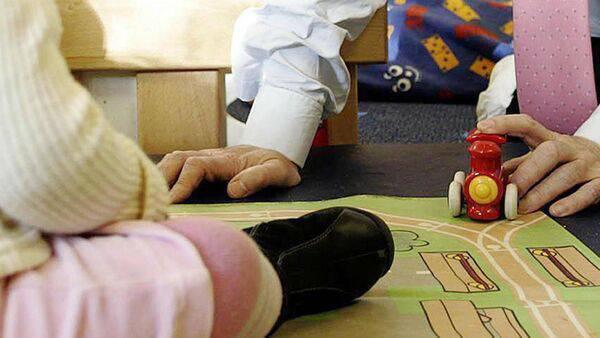
Disabilities Minister Anne Rabbitte has requested a recruitment and retention bonus for therapists.
The HSE has been asked to examine the possibility of recruitment and retention bonuses for therapists to boost staff numbers.
The request by Anne Rabbitte, the Minister of State for Disabilities, comes at a time when health unions are preparing to ballot for industrial action over the failure to honour a previous pay deal.
Additionally, it is now clear a pilot programme bringing therapies back to special schools will be staffed by over-stretched therapists already working with Children’s Disability Network Teams, as new staff cannot be found.
A spokesman for Ms Rabbitte acknowledged the staffing crisis, saying a recruitment campaign had resulted in “disappointing” application numbers.
This is despite “around €60m in funding” being available for staff.
“The minister has been looking at recruitment bonuses — she has asked the HSE to look into that,” he said, adding the HSE had also been asked to look into the option of retention bonuses for therapists already in position.
The teams already support more than 46,000 children, the department said.
The acute shortages mean a pilot programme for special schools will be staffed by already under-pressure Children’s Disability Network Teams.
In just one example, a Cork school received a letter on Friday from the HSE about this pilot.
It says occupational therapy will be “provided on-site by the local Children’s Disability Network Team”. It says at times these “CDNT staff” will be absent due to training arrangements already in place and recruitment is continuing.
A HSE workforce report shows an average 36% vacancy rate across the 93 Children’s Disability Network Teams. Separate data showed more than 9,000 children waiting longer than one year for first contact with a team.
The HSE said salaries were determined through public sector pay talks.
“The HSE is looking at a range of initiatives to encourage recruitment and retention, including paid career breaks where averaged pay is spread out over a range of years,” a spokesman said.
“The HSE is also engaging in outreach into schools and higher education institutes to share the rewarding career that working in children’s disability is.”
It comes as the Irish Congress of Trade Unions wrote on Friday to therapists and others at organisations funded through pay deals known as Section 39.
Section 39 workers provide a range of disability and health services and receive part of their funding from the HSE, but the workers in these organisations are not on the same pay deals as HSE-employed colleagues.
This includes a range of organisations, including the Irish Wheelchair Association, branches of Enable Ireland, Cheshire Ireland, Depaul Ireland, and other groups including CoAction West Cork.
Many of these groups almost went on strike in October, only averted by a last-minute pay deal. This offered initial payments to be followed by further talks.
However, the letter, seen by the , said WRC talks had ended without agreement.
Ictu, Fórsa, the Irish Nurses and Midwives Organisation, and Siptu, criticised the Department of Health and Department of Children for failures to fund the initial pay deal in some cases.
They said pay parity was not offered with HSE scales for jobs where this was the case historically.
A further sticking point was the October agreement was not extended to homecare workers and out-of-hours GP services.
The letter concluded: “We are now faced with a situation where the funding departments are refusing to fully honour terms of the October 2023 pay agreement.”
They will start balloting members for industrial action in organisations where the deal has not been paid.


CONNECT WITH US TODAY



Be the first to know the latest news and updates