Irish child among hundreds of sexual blackmail victims as man in Australia jailed
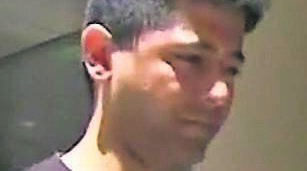
Muhammad Zain Ul Abideen Rasheed has been jailed. Picture: 9News
A leading charity has said it is “heartbreaking” to hear of children caught up in sextortion traps and that society needs to “get better” at spotting the red flags of online grooming.
It comes after a 29-year-old man in Australia was sentenced to 17 years for sexually blackmailing almost 300 girls and women across 20 countries, including Ireland.
Muhammad Zain Ul Abideen Rasheed posed as a 15-year-old YouTube star and sought out and trolled potential victims whose online privacy settings were not secure.
His victims were mostly teens and the youngest was just aged 10.
The ISPCC said it was “unfortunately not surprising” that an Irish child was targeted and said children contacting their helpline often express “dark thoughts” about their situation.
Australian police uncovered videos where girls were begging and crying and, in some cases, threatening to self-harm — but this did not deter Rasheed.
The presiding judge in his case, Amanda Burrows, said there were no cases to compare it to in Australia and described his conduct as "abhorrent", "cruel", and "humiliating" with "devastating lifelong consequences" for his victims.
Australian federal police assistant commissioner David McLean said the "scale of the predatory and exploitative offending" made it "one of the worst sextortion cases in history".
He warned that sextortion can escalate “in a matter of minutes”.
He urged people to "never share personal information with people they have only met online".
The police chief said there was one Irish case in the 286 cases covered in the conviction, but said the investigation was ongoing and there could be further victims.
Ireland’s industry internet watchdog Hotline.ie has previously said it received 688 reports in relation to Intimate Image Abuse (IIA) in 2022.
It said there had been a “surge” in sextortion scams — where young people, mainly young males, were deceived into sharing intimate images of themselves and then pressured by the other person to pay up to avoid circulation online.
“As a society, we need to get better at recognising grooming red flags and work to prevent it happening, and indeed escalating to cases of sextortion,” ISPCC head of policy, Fiona Jennings said.
“And, unfortunately, we know in some extreme cases where children have taken their own lives.”
She said sextortion is “largely misunderstood or conflated with other issues” and that this was why the ISPCC is engaged in two research projects with TU Dublin.
The N-Light project is seeking to get a better understanding of the problem while the GroSafe project is examining ways to tackle it.
Mr Jennings said encrypted platforms can be “a haven” for this type of crime.
“Predators send thousands of messages to their intended victims, and it takes just seconds to move some of these children from a public forum into a private (encrypted) space where their vulnerability is heightened,” she said.
- If you are affected by any of the issues raised in this article, please click here for a list of support services.
CONNECT WITH US TODAY



Be the first to know the latest news and updates