Scientists develop 'holy grail' insulin that diabetes patients may need only once a week
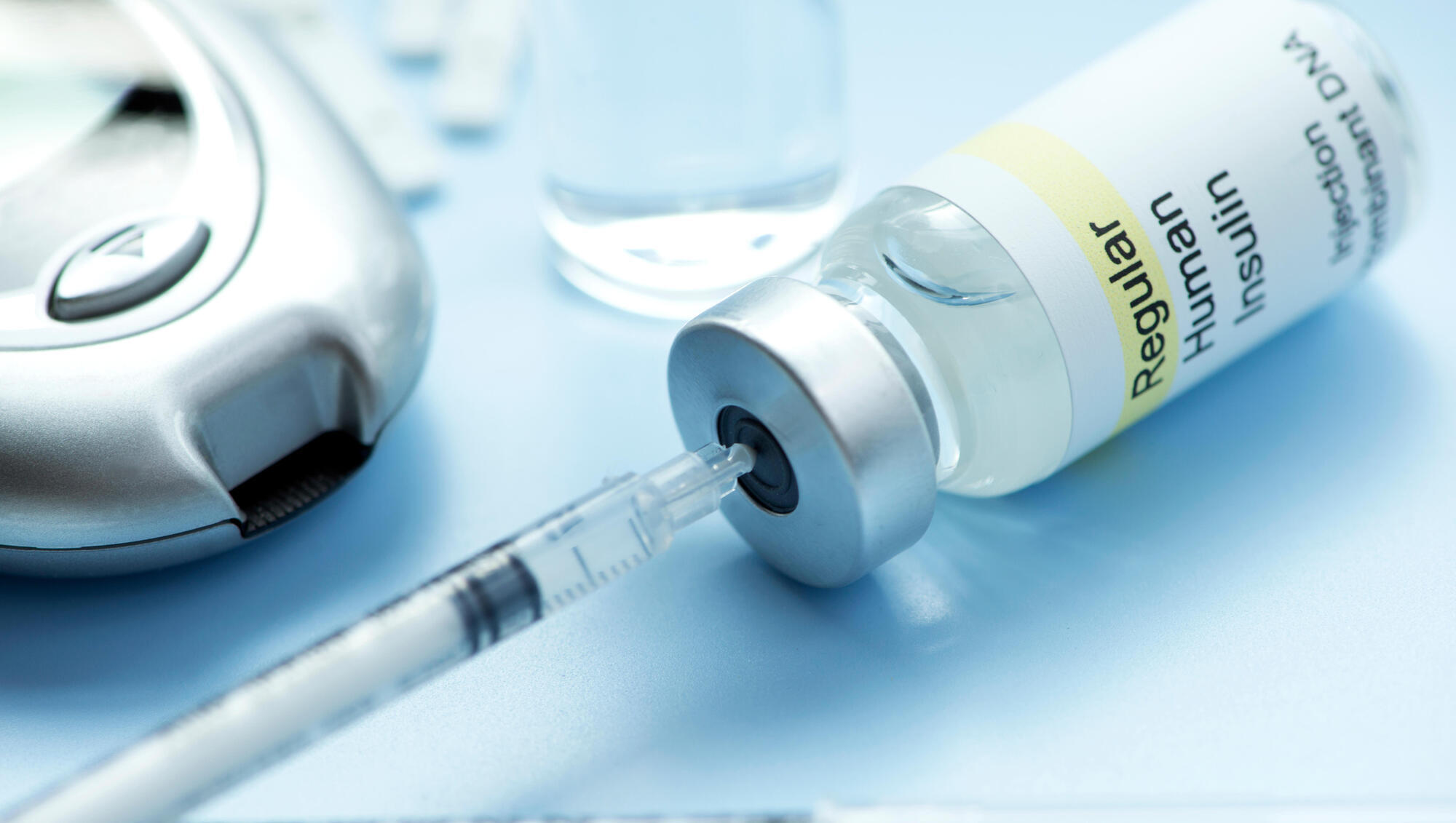
Patients currently have to give themselves synthetic insulin up to 10 times a day in order to survive. File picture
Scientists have developed a “holy grail” insulin that responds to changing blood sugar levels in real time and could revolutionise treatment for millions of people with type 1 diabetes worldwide.
Patients currently have to give themselves synthetic insulin up to 10 times a day in order to survive. Constant fluctuation between high and low blood sugar levels can result in short- and long-term physical health issues, and the struggle to keep levels stable can also affect their mental health.
Scientists have found a solution that experts say comes as close to a cure for type 1 diabetes as any drug therapy could: smart insulin that lies dormant in the body and only springs into action when needed. Researchers in the US, Australia and China have successfully designed novel insulins that mimic the body’s natural response to changing blood sugar levels and respond instantly in real time.
Standard insulins stabilise blood sugar levels when they enter the body, but once they have done their job, they typically cannot help with future fluctuations. It means patients often need to inject more insulin again within just a few hours.
The new glucose-responsive insulins (GRIs) only become active when there is a certain amount of sugar in the blood to prevent hyperglycaemia (high blood glucose). They become inactive again when levels drop below a certain point, avoiding hypoglycaemia (low blood glucose).
In future, patients may only need insulin once a week, experts believe. Dr Tim Heise, vice-chair of the novel insulins scientific advisory panel for the Type 1 Diabetes Grand Challenge, said smart insulin may herald a new era in the war on diabetes.
“Glucose-responsive — so-called smart — insulins are regarded as the holy grail of insulin as they would come as close to a cure for type 1 diabetes as any drug therapy could.”
More than €3.5m has been awarded to six research projects that have developed different types of smart insulins. They include teams at Stanford University in the US, Monash University in Australia and Zhejiang University in China. The aim is to accelerate development and launch trials as soon as possible.
Each project aims to fine tune smart insulin to act faster and more precisely, relieving some or all of the huge burden of managing type 1 diabetes and reducing the risk of long-term complications. Four of the projects are focused exclusively on testing GRIs.
A fifth has developed a new ultrafast, short-acting insulin. Even with the fastest insulins that are now available, there is still a delay between the drug being administered and the point it starts to act on glucose in the blood. This can result in blood glucose rising to unsafe levels before insulin can act to lower it.
Faster insulins are also needed to improve the function of insulin pumps and hybrid closed loop technology, a system that relies on the stored insulin responding in real time to changing blood glucose levels.
The sixth project is focused on a protein that combines insulin with another hormone, glucagon. Unlike insulin, which helps remove glucose from the blood, glucagon stimulates the liver to release more glucose when levels in the blood run low. Having both hormones included in one formulation could keep blood glucose levels stable by working to prevent high and low blood glucose levels.
“The funded six new research projects address major shortcomings in insulin therapy,” said Heise. “Therefore, these research projects, if successful, might do no less than heralding a new era in insulin therapy.”
CONNECT WITH US TODAY



Be the first to know the latest news and updates