No timeframe given for sex-for-rent legislation as more advertisements appear online
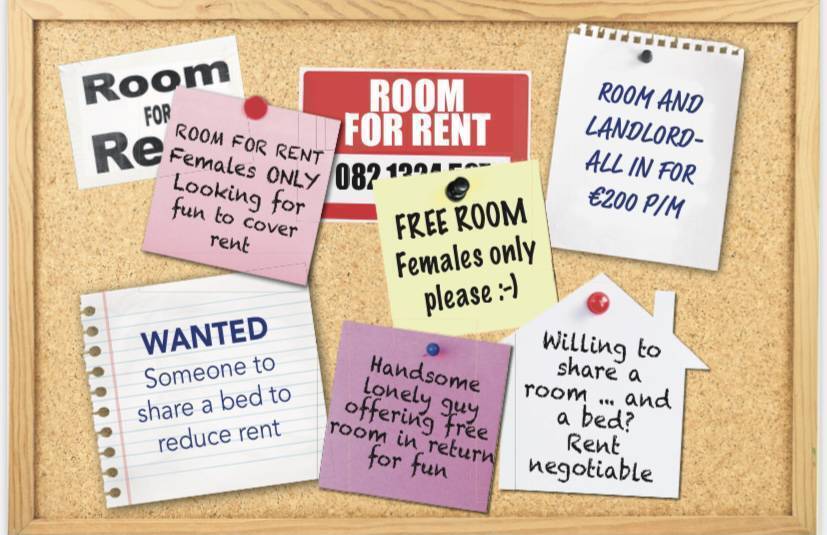
In May, the National Women’s Council published a report on sex for rent in Ireland, which called on the government to create a new and specific named offence for online with fair labelling principles in law to clearly target predatory ‘landlords’ and defining the specific behaviours involved so as not to overlap or interfere with other legislation.
A raft of new advertisements targeting female renters with “unique ways” to pay for accommodation have appeared online, yet there is no confirmed timeframe for legislating against sex for rent.
An advertiser on one website is advertising accommodation in two units in Cork City, one in Mallow and one in Blarney which he says he will “negotiate fair price for a female ;)". The same advertiser posted a similar ad recently, saying: “Am open to negotiations. Would rather female tenants and am willing to take payment in unique ways.”
In another ad, he wrote “perfect location for escorts and parties etc”, adding “escorts also welcome”. The same ad also noted: “No neighbours to worry about.”
Meanwhile, an advertiser is offering a double room and bathroom in a Dublin property at a cost of €250 per month but says: “Rent negotiation depending what can be offered. 30 year old Irish professional male. Female required.”
An amendment outlawing sex for rent arrangements in the rental sector had been scheduled to be included in the Criminal Law (Sexual Offences and Human Trafficking) Bill 2023 which finalised its passage through the Oireachtas last week. Work on the amendment was not completed on time to meet the bill’s deadline.
Sources say that the area is proving difficult to legislate against, despite interaction between the Department of Justice and the Office of the Attorney General since an investigation into sex for rent in Ireland in December 2021.
Last month, Junior Justice Minister James Browne, said: “Officials from my department have been working closely with the Office of the Attorney General to ensure that legislating to address this issue does not create any unintended consequences, including by inadvertently criminalising consensual relationships.”
A spokesman for the Department of Justice told the provisions are "currently subject to careful consideration from a legal perspective".
"It had been hoped that the provisions would be finalised in time to be taken forward during the current legislative session; however the very tight timeframes did not allow this.”
He added: “The 'sex for rent' offences will be progressed separately. The Government is committed to progressing these legal provisions in a suitable legislative vehicle once finalised.”
Director of the National Women’s Council, Orla O’Connor, said: “Women in extreme housing difficulty should not be forced to make a choice between sexual exploitation and homelessness. Robust legislation that criminalises this form of exploitation cannot wait. Landlords engaging in sex-for-rent exploitation should be criminalised and the mere proposal of such an arrangement should be a crime.”
In May, the council published a report on sex for rent in Ireland, which called on the government to create a new and specific named offence for online with fair labelling principles in law to clearly target predatory ‘landlords’ and defining the specific behaviours involved so as not to overlap or interfere with other legislation.
It added that sex-for-rent proposals should be viewed as a sexual offence apart and removed from sex purchase laws to avoid the stigmatisation and low reporting encountered in other jurisdictions where pursuing convictions requires the victim to identify as a ‘prostitute’.
Attempts to legislate against the practice include the Ban on Sex for Rent Bill introduced by the Social Democrats two years ago and the Residential Tenancies (Amendment) (Sex for Rent) Bill 2023 introduced in the Dáil by Sinn Féin earlier this year. The Social Democrats legislation failed to pass pre-legislative scrutiny.

CONNECT WITH US TODAY



Be the first to know the latest news and updates