First Irish patient successfully implanted with device to monitor heart failure at home
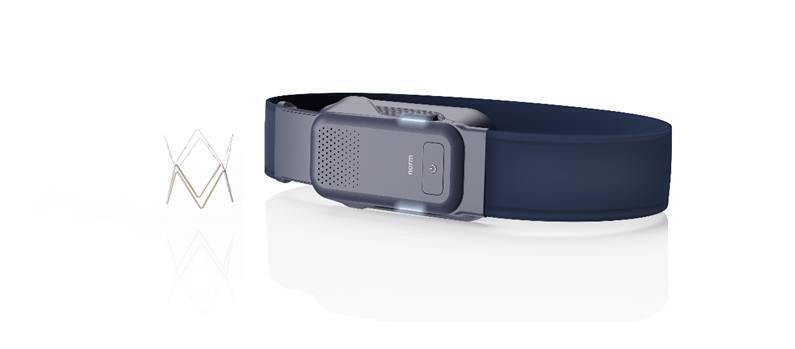
First Irish patient implanted with innovative heart failure management system from Irish company FIRE1.
The first ever Irish patient has been successfully implanted with an innovative device to monitor heart failure at home.
The procedure, which took place at University Hospital Galway (UHG), is the first human trial of a device that could positively impact thousands of people living with heart failure in Ireland every year and may also alleviate the burden on hospital emergency rooms.
The device, which was created by Dublin-based medtech company FIRE1, is implanted into the body’s largest vein, located in the abdomen, known as the inferior vena cava (IVC).
The sensor works by continuously measuring the size of the IVC, giving a marker of the amount of fluid in the body.
Fluid overload is a classic clinical feature of heart failure, which affects about 90,000 Irish people. It is a leading cause of hospitalisations, including high admission and re-admissions rates in Ireland.

The patient wears a belt reader around the abdomen for about one minute a day to take a reading from the sensor, and the data is then sent to the patient’s clinical team at the hospital.
The system is designed to alert whenever the patient’s condition deteriorates.
FIRE1’s aim is to transform heart failure management by enabling patients to monitor and control their fluid volume themselves with a device at home, similar to how continuous glucose monitoring has transformed diabetes care.
Commenting on the first successful transplantation, FIRE1 chief executive and president Conor Hanley said: “This represents a true clinical research success for Ireland, being one of the first systems of its nature to be developed, manufactured and now to be in a clinical trial in Ireland.
“It showcases Ireland's capability for groundbreaking medical innovation with the potential to change healthcare delivery globally.
“I would like to extend my thanks to the fantastic staff at UHG, and most importantly to the patients who continue to put their trust in us and participate in this important research.”
Professor of interventional cardiology and translational medicine at UHG Professor Faisal Sharif, who performed the implant, said the procedure was “very straightforward and minimally invasive”.
“The data we will get from this patient will give a new window into heart failure management and has the potential to dramatically improve our understanding of this patient’s condition, and to enable proactive changes in medications that will keep them healthy and at home.
“We hope to implant further patients at UHG while recruitment is still active,” he added.


CONNECT WITH US TODAY



Be the first to know the latest news and updates