Defence Forces lost 20% of its workforce in two years, Dáil committee told
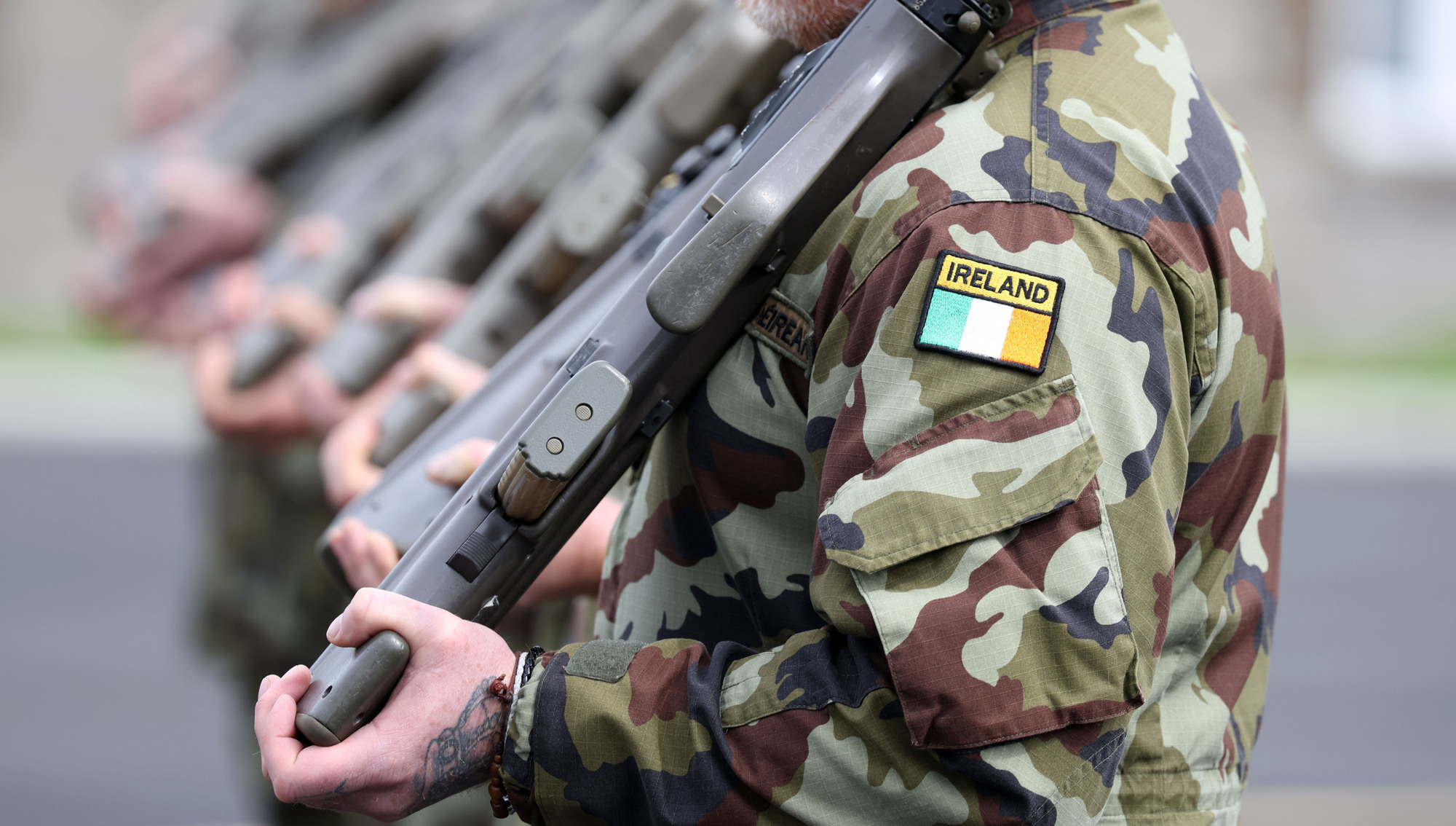
Retention issues have coincided with a difficult 18 months for the Defence Forces. Picture: Colin Keegan, Collins Dublin
The Defence Forces lost 1,646 members, or the equivalent of 20% of its workforce, in 2022 and 2023.
Secretary general of the Department of Defence Jacqui McCrum told the Public Accounts Committee 891 people had left the Defence Forces in 2022, and a further 755 in 2023 — losses representing some 21% of its active service roster of 7,550 as at the end of 2023.
Retention issues have coincided with a difficult 18 months for the Defence Forces amid widespread discontent at pay and conditions and a report by the Independent Review Group published in March 2023 which revealed a culture within the service which saw women routinely the subject of misogyny and sexual harassment.
Ms McCrum said that, nevertheless, the Defence Forces was beginning to “turn the tide” on retention, noting the average starting salary for a recruit was now €39,000, €10,000 more than a year ago.
She said a key priority of her tenure since July 2020 had been to put a “framework” in place to improve the way the Department of Defence and the Defence Forces interact with each other.
She said that framework was “working exceptionally well” and “small green shoots” were currently being seen in terms of a turnaround in the service’s fortunes.
“One challenge we had was that the organisational structure was very old-fashioned back in the '80s, is how I would describe it,” she said.
“It needed to be modernised,” she said, adding the Defence Forces had since implemented “family friendly policies”.
Despite this, she acknowledged that for a Defence Forces member, “going abroad is one of those things that you have to do” and serving abroad “would be extremely challenging” for someone with a family member living with a disability.
In terms of how the Defence Forces was now treating women, Ms McCrum said just 7% of serving members were female, though she said such a split was “not unusual”.
“The best profile is 20% in Australia, and that took them 20 years to get to there,” she said.
On changing the perceived culture of misogyny within the organisation, Ms McCrum said “significant work has been undertaken” in order to do so, including the introduction of mandatory sexual ethics training.
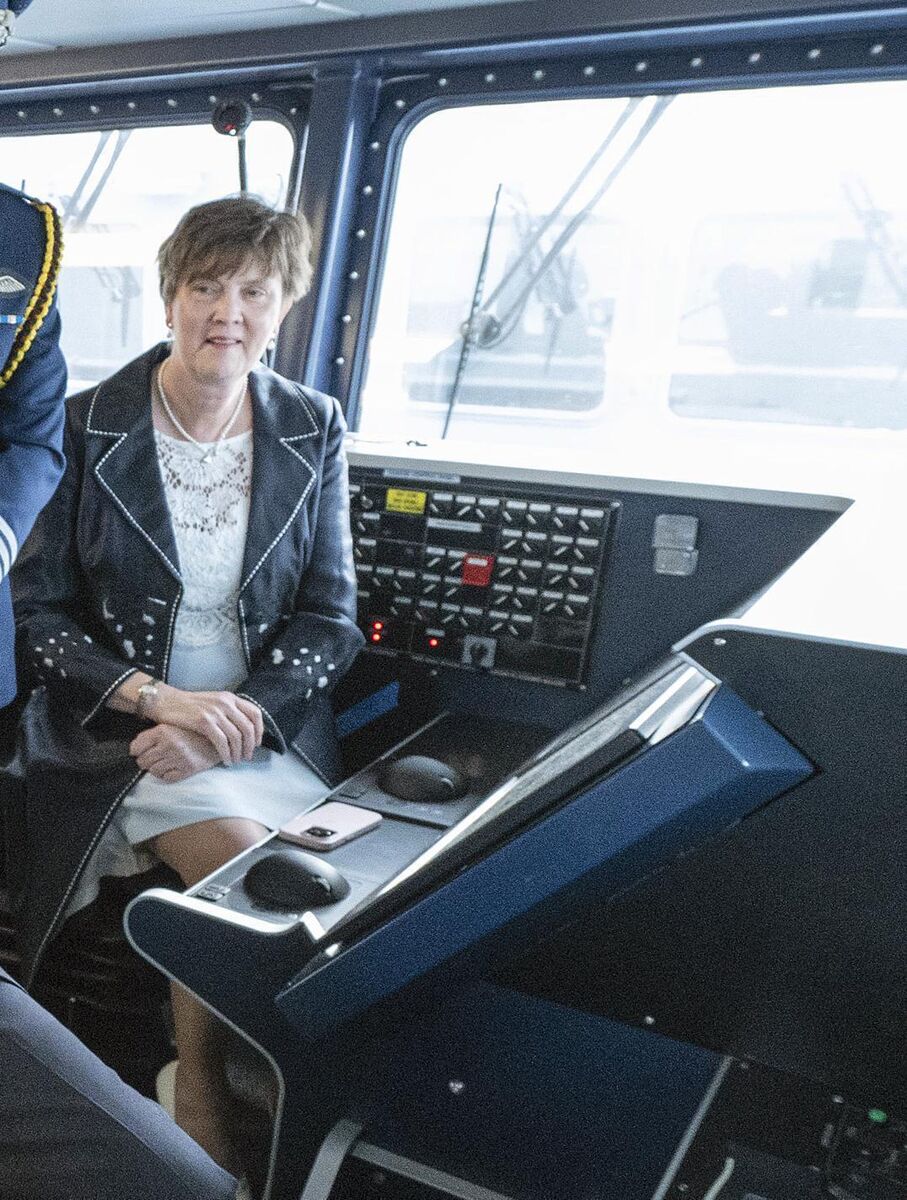
“It takes time to change a culture,” she said adding the Defence Forces’ chief of staff Seán Clancy was “fully committed” to that change.
“I can’t say that the problem is gone completely, but what I can say is that significant efforts are going into making that problem go away,” Ms McCrum said, adding despite the issues experienced within the Defence Forces, its intake of new recruits for 2023 had been 9% female.
The secretary general denied the Defence Forces’ failure to implement six recommendations from a 2014 report into how it manages and disposes of its equipment amounted to a failure in governance, though she had accepted all of the recommendations of the Comptroller and Auditor General, who had investigated the matter last year.
Asked why she was the accounting officer for the forces given in her own words she “is not an operational person”, Ms McCrum said she had asked Mr Clancy if he wished to be that accounting officer but added: “I don’t think there is an appetite there.”
CONNECT WITH US TODAY



Be the first to know the latest news and updates