Meet the death cleaner: She takes care of the country's most gruesome crime scenes
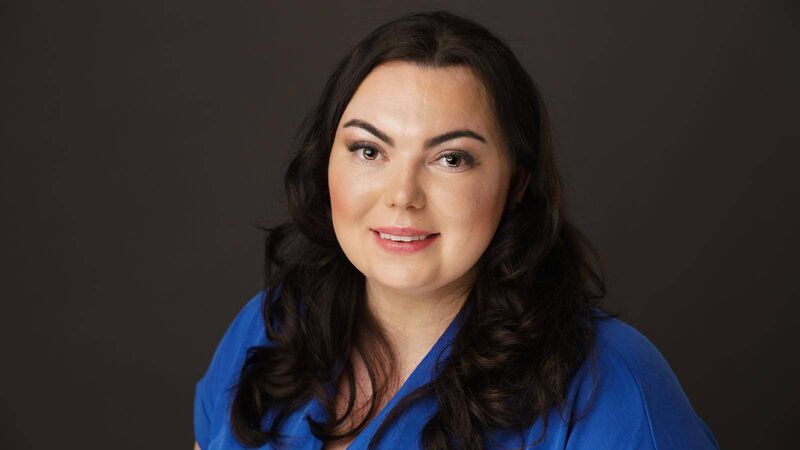
Alana Gillen from Specialist Cleaning NI whose services have expanded to homes all over the Republic of Ireland dealing with the aftermath of violent deaths or hoarding disorders, among other issues.
For trauma scene cleaner Alana Gillen, every bloody handprint tells a story.
Many indicate a struggle. Victims' final moments can be traced along the crimson stains on floorboards. No two handprints are ever the same. And the same could be said for Alana's day in the office.
She has been specialising in cleaning up murder scenes and the aftermath of suicides for more than a decade.
Initially making her name by taking care of the mansions of some of the country's richest people, Alana then transferred her skills to more complex and specialised cases like crime scenes.
Due to demand, the ceo of Cleaning Specialists Northern Ireland expanded her services to cater for the Republic in recent years. Understandably, professionals like Alana are hard to come by. Which is why she travels the length and breadth of the country, dealing with situations too harrowing for your average cleaning staff.
Nicknamed the death cleaner, she is the last point of contact for families after emergency services and forensic teams have completed their duties.
“I'm down on the ground in every corner and I’m getting a real sense of what happened. Sometimes you find a bloody handprint and you see the sheer desperation. You can almost feel it,” she says.
While Alana wipes away the visual signs of trauma from houses, she readily admits she is unable to scrub clean the heartbreak for families.
“If I am required to stand there and give someone a hug I will. I have cried with people when they needed to. At the end of the day I am there to take away that visual trauma but if I can also help by giving a hug or just listening I will because I have that empathy.
"Sometimes people just want you to go in and do the job. However, I find the majority want to tell you their story. They want to tell you about their brother, sister, father or mum. They want you to know who they were.”
As well as her professionalism, Alana says it is equally important to have compassion in every job she undertakes.
“Sometimes if I have music on while cleaning I’ll wonder if they listened to the same music too. You’ll almost get a sense of their personality in the room sometimes. There are times when you wonder what the victim went through before they died but it would do more damage to try to put yourself in their shoes. You are there to do a professional job which you have to be able to switch off from as well.”
Alana says it is impossible to explain how she felt when she got her first "death call".
“You never forget that first one. The silence was so loud — if that makes sense. I could hear my heart beating. This wasn’t something I had done before even though I had been a cleaner for many years. Unfortunately, there was some decomp on the mattress and I was using a stanley knife to cut it up. Out of the corner of my eye, I spotted a figure that made me jump out of my skin. I thought there was a person standing near me when in actual fact it was a cowboy hat on a stand.”
So how does she get these jobs?
“Funeral directors often pass on my number and the families don’t really know what to ask when they call. One man rang me and wasn’t sure of my name. He said that someone had passed on my number. He started the phone call by asking “Are you the death cleaner?” That was four, maybe five or six years ago but it still makes me laugh. It just seems to be the terminology that I get.”
Specialist training is obviously very important for someone in a job like Alana's.
“Once the police have finished up or the body is removed it’s up to me to take that visual trauma away.
As well as crime scenes, she is also called to the sites of workplaces accidents.
“Sometimes an employee has been injured or lost a finger while working. Health and safety crews are there but ultimately production itself still has to go on. Machines have to be sterilised."
She is also trained to clean up after road traffic accidents but says mostly fire crews take on this particularly harrowing job.
Alana witnesses more horrors during her working week than many of us experience in a lifetime.
"On one occasion I was called to a shopping mall where a man was stabbed. He was moving through the communal stairs trying to get help and bleeding quite badly. The blood was all over the place. It had to be made safe for the public again.”
Given the traumatic nature of her work, Alana says it is important, at times, for her to get help herself. "When you’re dealing with death that’s incredibly difficult, especially if it’s a child or teenager, the circumstances can weigh heavily on you. Luckily there are lots of resources available if I need to speak to someone. If I need counselling for a job this is available to me and I have, on occasion, used it. There was one incident which I can only describe as very, very gruesome. Unfortunately, I couldn't really shake those images. It was at this point that I had to reach out and talk about what I saw. I got it off my chest and that really helped."
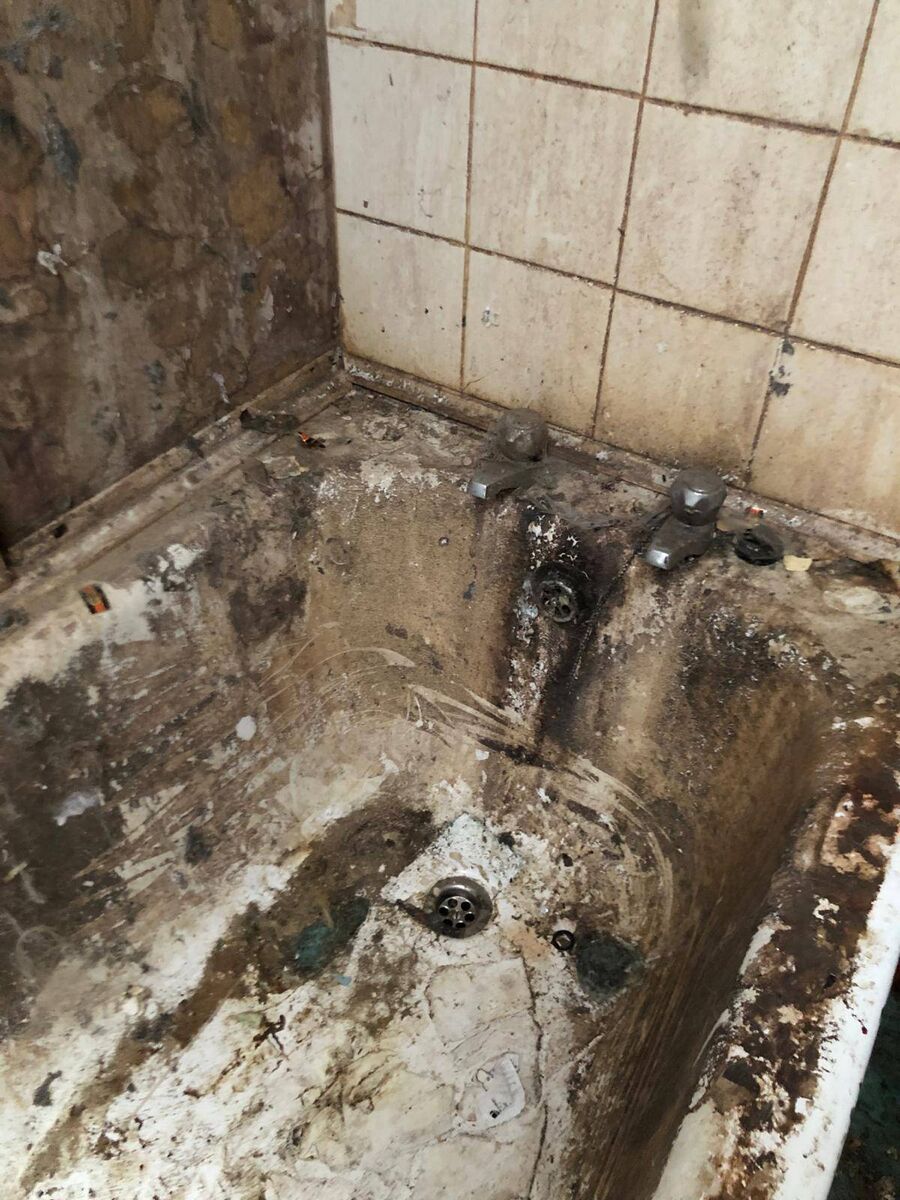
In addition to crime scenes, Alana also tackle the homes of "extreme hoarders".
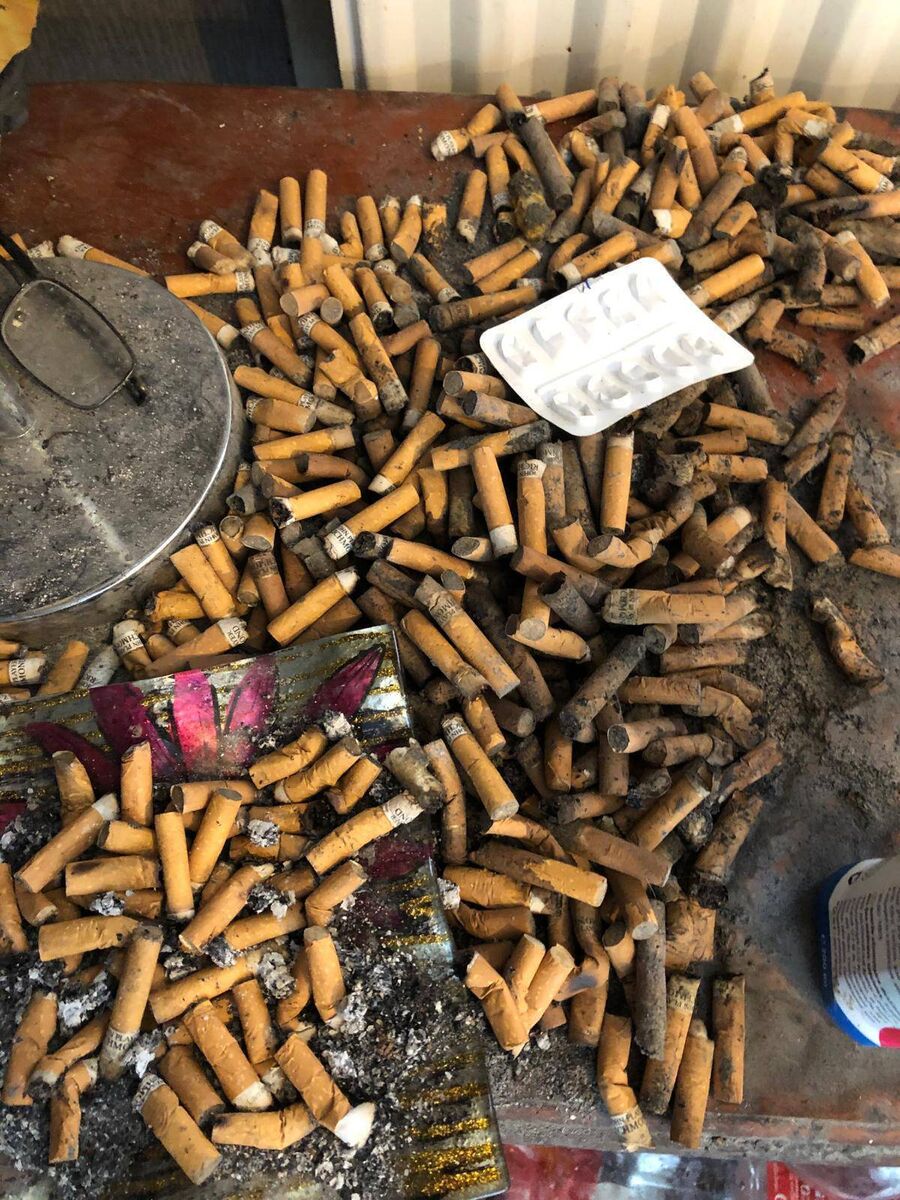
“Every single situation is different. Every single house is different. Extreme hoarding is classified as overwhelming living conditions or self-neglect situations. With regard to the cases I deal with, we're not talking about too many Prada shoes or an overflowing wardrobe. We’re talking about years and years' worth of rubbish and rotten food and cigarettes that haven’t been thrown in the bin. Most of the time it’s not like what you see on television. It’s not like I’m seeing stacks of dolls or newspapers.”
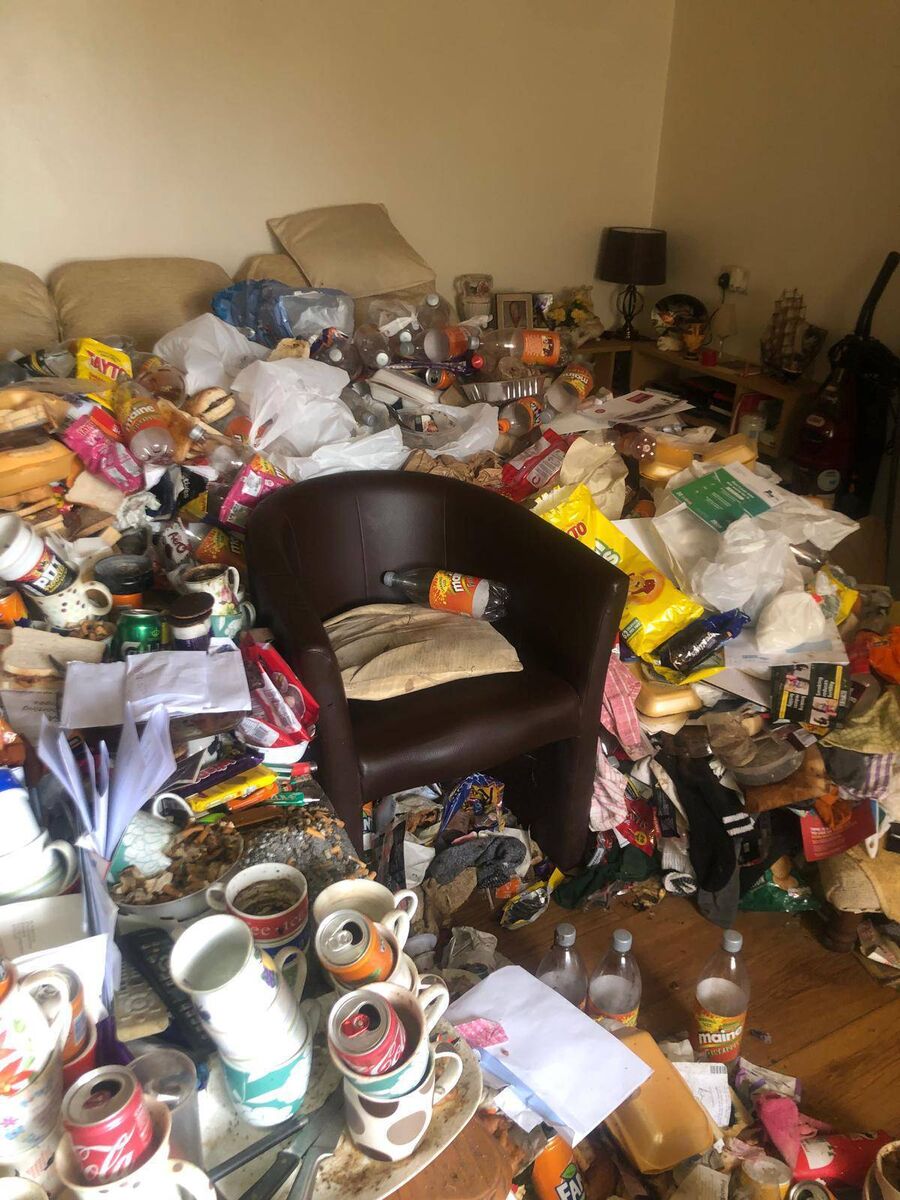
She puts the increase in hoarding cases partly down to isolation experienced during pandemic times.
“People weren’t getting visitors and healthcare workers weren’t calling. There has been a severe increase which is associated with mental health conditions. The hoarding is so extreme that the house is falling into disrepair and many are unsafe in a way that is affecting neighbours.
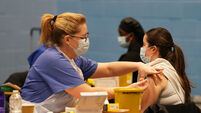
Tetanus shots are among the many precautions Alana has to take while preparing for a job.
“It's very much a case of self-neglect. Most of the individuals I meet are lovely people. They are very welcoming and often very lonely as well. As far as they are concerned, their living conditions aren’t doing anyone any harm when in actual fact the opposite is true. Some people might say they are blind to their situation but I would describe it as uncomfortably numb.
"For quite a lot of people, it’s a case of simple things like not being able to get the rubbish out the back door. Those bags built up and never ended up going out. The person just adapts. I don’t particularly agree with people calling this a lifestyle choice. In reality, my clients have become a victim of their conditions. They are surviving in them.”
Alana said there can be many reasons why people end up living in these extreme conditions.
“Having a messy house doesn’t make you a bad person just like having a clean house doesn’t make you a good person. Sometimes the person who hoards has learning difficulties. They have spent all their life being supported by family until their parents pass away and they have no life skills. It’s usually quite a few years before the healthcare system kicks in and somebody finds or notices them. This is when it becomes an issue and it's flagged up.”
She says the simple act of having a cup of tea can sometimes put these hoarders at ease.
"If they offer me a cup of tea I’m not there to judge that the cup hasn’t been washed in years. I’ll make the tea or wash the cup myself. Other times I’ll bring a travel mug with me. It’s nice to have the cup of tea before I start because it helps make them feel like I’m just a friend calling around.”
But sometimes, a person's hoarding is only discovered after they have died. “There is the other side where people are found who have died within that situation. It’s quite scary and overwhelming for a family to realise that their loved one has been living like this.
"The person hoarding just doesn’t want anybody else to find out. They don’t want their families or their neighbours to know and they think they’re doing a good thing by hiding it. It gets to a stage where the hoarding becomes an overwhelming burden that prevents them from visiting family because they don’t have clean clothes or hot water in the house. They tend to isolate themselves which is why in some cases they are not found for a week or two.
"When a neighbour or family member comes round and finds them in these conditions, it makes it all the more horrendous. This is because it's not just a sudden unattended death. It’s a death within really bad living conditions and that can bring all sorts of emotions. There can be anger and frustration. There’s the question of why nobody knew. In some cases, family members did know but weren’t able to help them because of the bridges they burned.”
She refers to the sad story of two brothers by way of example.
“Sometimes the stories can be quite heartbreaking. I can remember this one man who lived abroad but had a fantastic relationship with his brother over the phone. They spoke every other night. Both were very intelligent men who had retired from important jobs. Unfortunately, the man died within the home. It was only when his brother came home from abroad that he realised the way he had been living. His brother’s living conditions were shocking to the extent that he did not even have any running water.
"He [the brother] was angry and upset. He felt tricked in a way, as if his brother had somehow deceived him but this wasn’t the case. He was already grieving for his brother and then had to deal with the way he was living. He just couldn't understand why such an intelligent man, who he had contact with regularly, was living like that. It can be difficult to explain to a family that this wasn't done on purpose and they certainly didn't want to live like that."
And, in cases like this, families may need to find something belonging to their loved one, but cannot face entering the house
"Sometimes they are looking for the clothes they want their loved ones buried in. The house is so bad that family either can’t go in or they don’t want to. They shouldn’t be in that situation alone so we are able to do that for them."


CONNECT WITH US TODAY



Be the first to know the latest news and updates