Doctors working with 'one hand tied behind their back', new IMO president claims

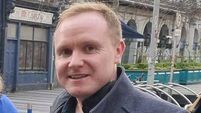
Dr Denis McCauley: 'Hospital bed numbers are a key issue.' Picture: Newspix
Patients continue to face “frighteningly long” waiting lists contributed to by a shortage of beds, consultants, and GPs, the new Irish Medical Organisation president has warned.
Any doctor is “working with one hand tied behind their back” due to these shortages, Dr Denis McCauley warned.
Hospital bed numbers are a key issue, he said.
“The ESRI anticipates that we need over 5,000 new beds in public hospitals,” he said.
“Absent those extra beds, our bed occupancy rates run at 88%,” he added, saying this is “11% over the recommended upper limit".
In addition, hospitals now operate “full capacity protocols” all year round instead of only in winter, as they move patients around to cope with overcrowding.
Consultant shortages only add to this, he said, despite contract changes that are expected to boost recruitment.
“One in five consultants posts aren't filled and there are gaps in key specialities across the country,” Dr McCauley told the IMO AGM in Killarney.
“So yes, we have a new contract and many consultants have signed up to it but the shortages remain and are acute.
This follows recent calls from the HSE and health minister for doctors to switch to seven-day working patterns.
“We have to ensure that we properly support the consultants working on weekends so that we don’t simply move work from the middle of the week to the weekend,” Dr McCauley said.
As a GP in Co Donegal, he said GP shortages are an issue in every county.
Many cannot accept new patients while others operate a waiting system for non-urgent cases.
“We welcome the increase in training posts for GPs but we have a huge need to substantially increase the number of GPs across the country,” he said.
“And we must ensure that continuity of care is at the heart of how we approach General Practice into the future.”
The IMO has campaigned for young doctors, NCHDs, to have reduced working hours. These can spiral as high as 100 hours weekly.
Dr McCauley welcomed that Health Minister Stephen Donnelly and HSE CEO Bernard Gloster told the AGM of their strong support to reform this.
He cautioned these doctors are “working illegal and unsafe hours” and warned: “If you don't respect them, they won’t stay."
He also discussed medical negligence litigation, saying this is having “a detrimental effect on how doctors practice medicine” now.
“Medical negligence is proven when a doctor deviates from the standard which is actually applied by competent professionals of similar speciality in an area. But case law is moving beyond that,” he said.
He called on legal workers to understand the constraints under which doctors work.
“They must recognise that in a hospital setting the clinical staff are essentially working with one hand tied behind her back due to staff shortages and infrastructural deficiencies,” he said.
Ireland is now “an outlier” in medical litigation which is also pushing doctors to emigrate, he said.
“More importantly, it is leading to altered patterns of medical practice which is leading to increased investigations and referrals from primary care to a secondary service that will soon collapse under this legally induced demand,” he said.

CONNECT WITH US TODAY



Be the first to know the latest news and updates