Policing Authority criticises gardaí for preventing access to 999 call recordings
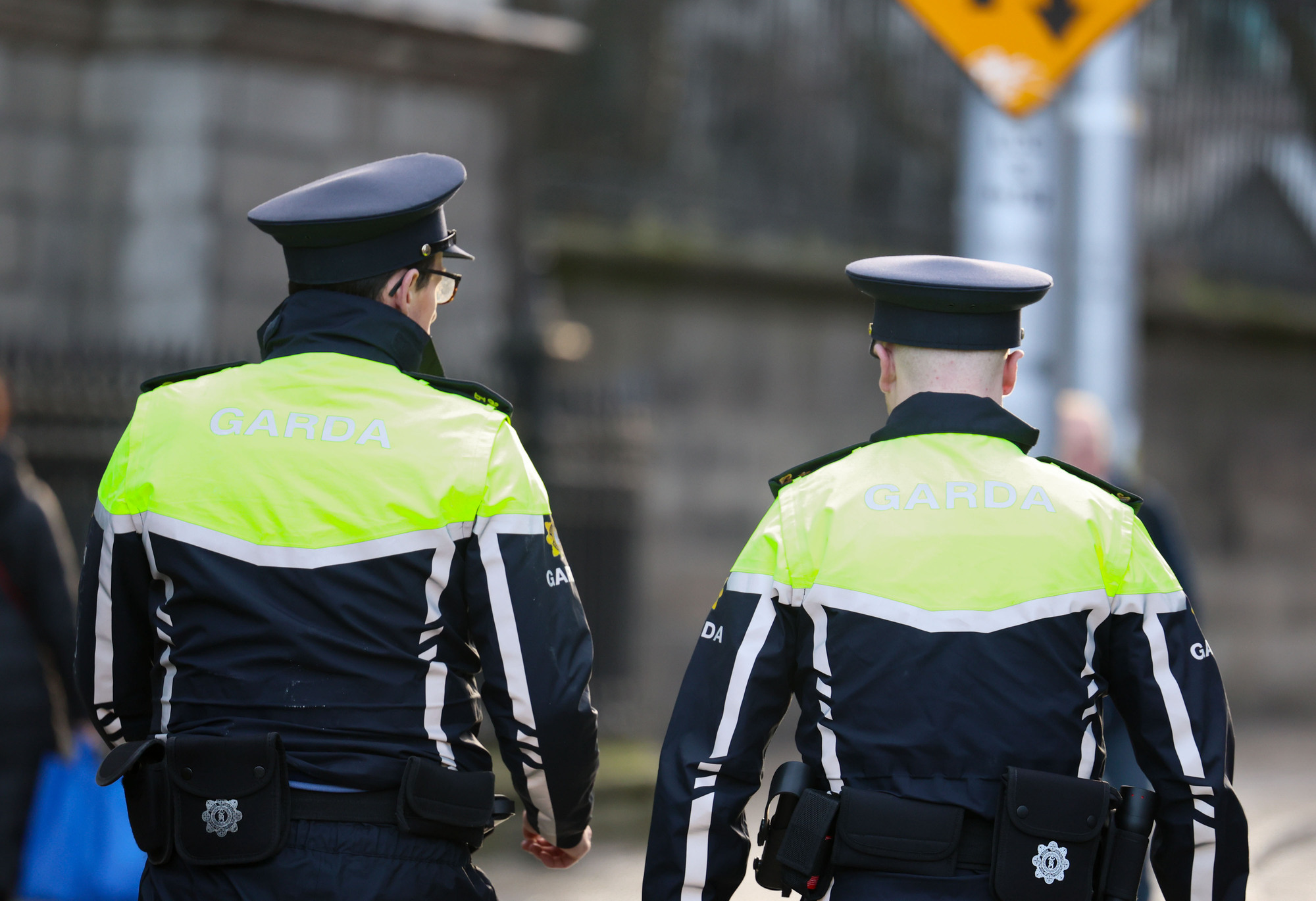
The Policing Authority has praised An Garda Síochána for significant progress in addressing problems raised in reports into the cancellation of 999 calls, but said the Garda legal position preventing the authority to access call recordings was 'retrograde'. Picture: Leah Farrell/ RollingNews.ie
The Policing Authority has praised An Garda Síochána for significant progress in addressing problems raised in reports into the cancellation of 999 calls, but said the Garda legal position preventing the authority from accessing call recordings was “retrograde”.
In a review of An Garda Síochána implementation of recommendations made by inspector Derek Penman in his September 2022 report into the controversy, it said that 12 of 16 recommendations had been implemented. It said two other recommendations have been partially recommended and two have not been implemented.
In relation to one of the recommendations not implemented — regarding access to call recordings — the review said the situation has “arguably deteriorated”.
The former chief inspector of the Scottish police was commissioned in July 2021 by the authority after it became aware of concerns regarding cancellations of 999 calls the previous December.
Mr Penman produced a final report in September 2022, in which he raised concerns about potential harms over some of the 200,000 calls cancelled between January 2019 and October 2020.
The updated report, published on Wednesday, said the 203,000 cancelled incidents were in the context of 1.4 million incidents on the Garda Computer Aided Dispatch (CAD) system.
It said that of those 203,000 calls, gardaí “identified only 37 CAD incidents where either the victim had indicated that physical harm occurred or where on the balance of probabilities it had been determined that such harm had occurred.
Of the 37, eight were incidents recorded as either accidental or self-harm. These cases were identified after gardaí contacted victims who did not receive a response.
The report said the nature of the injuries in the 29 cases ranged from “minor lacerations or bruising to bone fracture”.
The review visited the four regional control centres (RCCs) in, Galway, Cork, Waterford, and Dublin.
The report highlighted serious legal obstacles in accessing call recordings or how staff in the centre responded to live calls, even though the authority were previously able to access historical call recordings.
“The legal position taken by [An Garda Síochána] in relation to accessing historic call recordings for this review therefore appears retrograde and risk-adverse,” the review said.
It said it limited the review team’s ability to provide “definitive assurance” to the authority and prevented it from seeing “many of the significant improvements” gardaí had implemented.
The review noted that the authority and An Garda Síochána were currently agreeing on a joint submission for consultation with the Data Protection Commission.
It said An Garda Síochána had “significantly strengthened” supervision of calls, had “invested heavily” in the new CAD2 system, and “provided evidence” of increased staffing levels.
The review said that while there may previously have been an “over-emphasis” on finding fault and disciplining staff, there was a growing perception among staff that management was creating a “more positive culture”.
It highlighted the layers of external audits and oversight of the new system and said there was now a requirement for call dispatchers to alert a supervisor for each "very high risk" domestic violence sexual assault incident.

CONNECT WITH US TODAY



Be the first to know the latest news and updates