Rents in regional cities soaring close to €2k per month
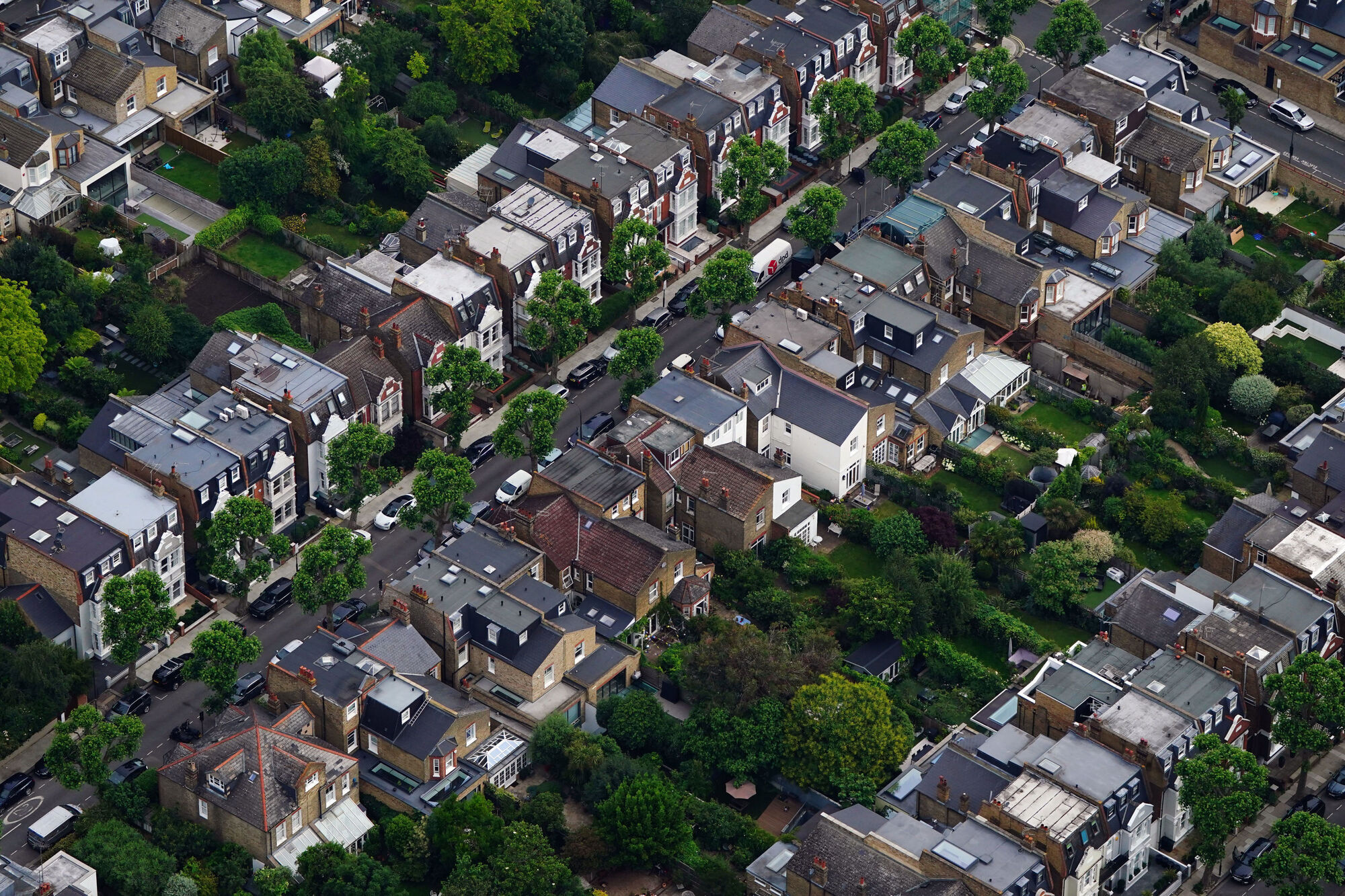
Rents in regional cities are soaring close to €2,000 per month, despite an overall slowdown in rental inflation, new research has found.
Rents in regional cities are soaring close to €2,000 per month, despite an overall slowdown in rental inflation, new research has found.
The average monthly rent has increased by €500 since before covid to a crippling €1,850 a month, with some regional cities seeing rents rise by more than twice the national rate.
The figures are contained in the latest rent report from property website Daft.ie.
It shows that as renters left the capital during covid, what had been an urban problem over the preceding decade – a worsening shortage of rental accommodation – became a national problem.
Rents in Dublin in 2019 were about double what they had been almost a decade earlier when they bottomed out. But rents in Donegal were only one-third higher than their lowest point.
Now that comparison to the post-Celtic Tiger low is largely the same in both markets: open-market rents in Dublin are 133% higher, while rents in Donegal are 138% higher.
The report also shows that while overall rental inflation halved last year, with new housing supply helping to stabilise the rent increases in Dublin, the government has been warned that it still needs to address the demand for rental accommodation in the rest of the country or rents will continue to surge.
The report shows that nationally, market rents rose by an average of 6.8% during 2023, down from an average increase of 13.7% in 2022 and 10.3% in 2021.
But the average open-market rent nationwide in the final quarter of 2023 hit €1,850 a month, compared with €1,365 a month seen at the outbreak of covid in early 2020.
A city-by-city breakdown of the figures for the last quarter of 2023 shows that the average monthly rent being paid was:
- €2,384 in Dublin - up 2.6% year-on-year;
- €1,907 in Cork city - up 7.9%;
- €1,999 in Galway city - up 11.3%;
- €1,907 in Limerick city - up 14%;
- €1,537 in Waterford city - up 7.4%;
- and €1,489, up 10.8%, for the rest of the country.
The overall decline in rental inflation is driven by Dublin, where rents in the open market rose by just 2.6% last year, compared with an average increase outside the capital of 10.6%.
Rents in Cork and Waterford cities rose by between 7% and 8% during the year, while those in Galway and Limerick cities rose by 11.3% and 14% respectively.
Outside the cities, the smallest annual increase was seen in Dublin's commuter counties (7.5%) while the largest increase was seen in the three Ulster counties, where market rents were almost 17% higher than a year earlier.
Daft.ie said the different trends in rent are matched by differences in changes in the availability of rental accommodation.
Nationally, the number of homes available to rent increased by 937 between October 2022 and December 2023.
Of that increase, 80% was seen in the Dublin area, while almost all the rest was seen in surrounding areas.
On February 1, there were just over 2,200 homes available to rent nationwide, up 6% on the same date a year earlier and the 11th month in a row of year-on-year gains in availability.
But the author of the report, Ronan Lyons, associate professor of economics at Trinity College Dublin, said accommodation demands have not been addressed outside Dublin.
“Unless policy actions are taken to change course over the next few years, the number of new rental homes built in Dublin will fall again, while it will remain close to zero elsewhere in the country," he said.
“The construction of significant amounts of new homes to rent in Dublin over the last two years is reflected in the near-disappearance of inflation in market rents in the capital.
“However, there has been almost no new rental accommodation built outside Dublin, where acute rental shortage also exist.
“With significant viability challenges, it remains incumbent on policymakers to deliver a healthy rental market around the country."
In 2017 and 2018, about 4,400 apartments were built in the country, most in Dublin and most of those for rental, at a rate of about 33 per week.
That delivery rate in Dublin has increased to about 133 apartments per week by 2022, and 175 a week by last year.
This surge of 20,000 new apartments between 2021 and 2023 in the capital – more than three times the number of apartments built in the entire rest of the country in the same period – is what explains the slowdown in rental inflation in Dublin, Prof Lyons said.
“These are the delayed fruits of the confluence of favourable factors in the late 2010s that brought lots of capital into Dublin to build new rentals,” he said.
“Those factors included the external macroeconomic environment, the ‘Strategic Housing Development’ initiative and the ‘Build to Rent’ planning code – as well as, of course, the need for new rental accommodation.
“The need for new accommodation remains – and outside Dublin hasn’t been addressed at all.
“But all of the other factors are gone.
“Unless policy actions are taken to change course, over the next few years, the number of new rental homes built in Dublin will fall again, while it will remain close to zero elsewhere in the country.
“2023 shows what new rental supply can do to address rental market challenges. It remains to be seen whether that lesson will be learned.”
CONNECT WITH US TODAY



Be the first to know the latest news and updates