Long-awaited Garda-mental health response team starts
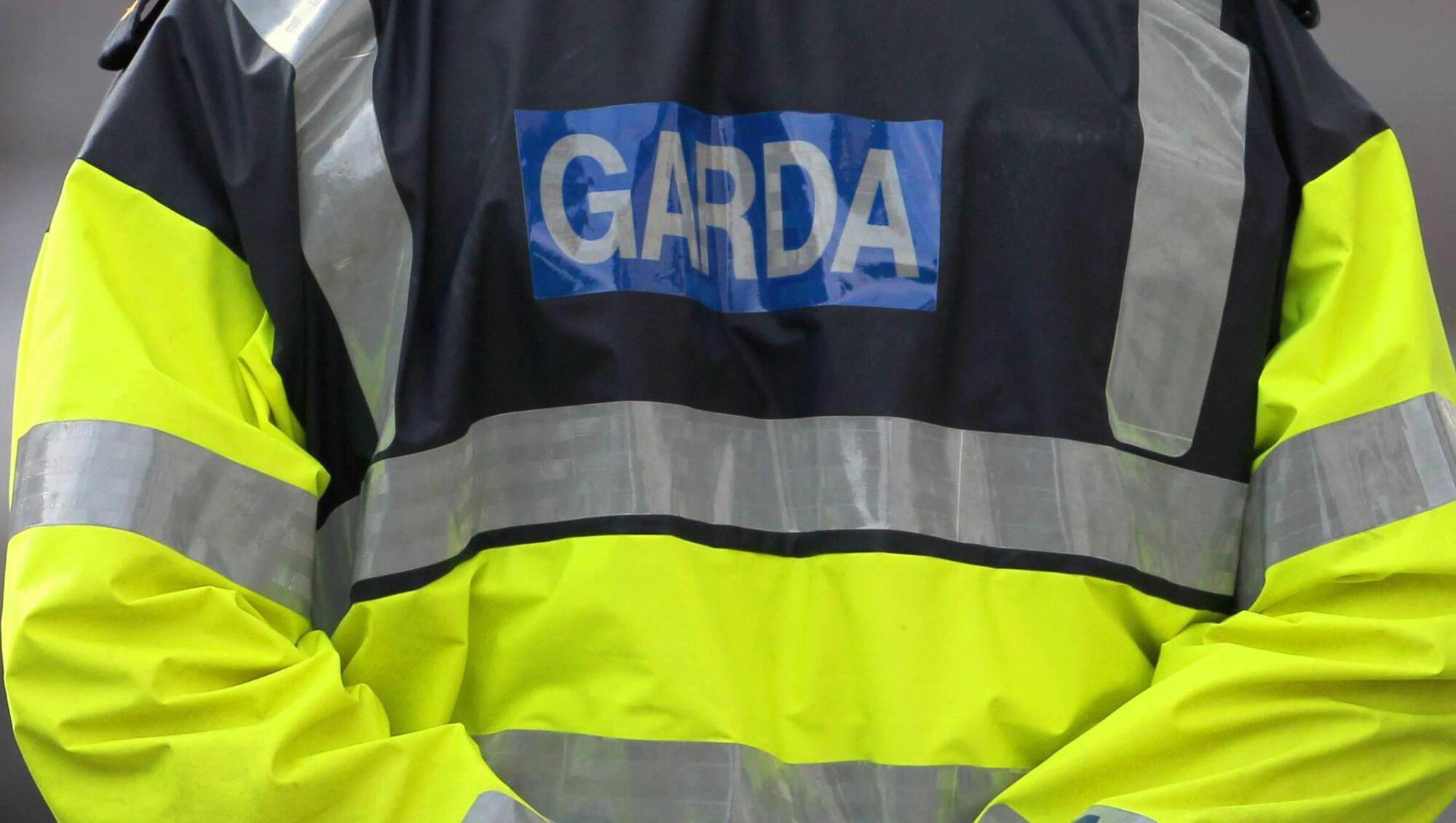
The Government’s High Level Task Force also recommended a “prosecution avoidance policy” when gardaí come into contact with adults with mental health, addiction challenges or crisis situation who may have committed a minor offence. File picture
A groundbreaking joint garda-mental health crisis response team is about to start a “pre-pilot” phase — almost two years on from when it was supposed to be operational.
The Community Access Support Team (CAST), in Limerick Garda Division, was a “major recommendation” of a Government task force, which reported in September 2022.
The Government said in March 2021 that a project had been set up in July 2020 to deal with the implementation of divisional crisis intervention teams. These “crisis intervention” teams were recommended by the Commission on the Future of Policing in Ireland, in its report in September 2018.
The Government’s High Level Task Force (HLTF) on Mental Health, Addiction and Prison, which reported in September 2022, repeated the recommendation.
The first progress report on the HLTF, covering the period up to last September, said that “good progress” has been made in setting up CAST. It said a “pre-pilot” would be set up first, to identify the people who will benefit from CAST.
“This is proposed for a nine-month period and will comprise of the call-out element and partnership response,” the report said. “It is anticipated that the pre-pilot will commence in Q1 2024 with a full pilot to be progressed later in 2024.”
It added: “This is dependent on appointment of key posts in AGS and HSE.”
The HLTF also recommended a “prosecution avoidance policy” when gardaí come into contact with adults with mental health, addiction challenges or crisis situation who may have committed a minor offence.
To implement that, they recommended the Adult Caution scheme be extended to include them and that the range of offences be also expanded.
The progress report said these recommendations have been included in a garda review of the scheme, which was due to submit it to the DPP by the end of 2023.
It said that the HLTF also recommended that dual diagnosis services — for people with both addiction and mental health difficulties — be set up nationwide.
It said that three initial dual diagnosis sites for adults were currently being established in HSE CHO areas 3 and 4 (Clare, Limerick and North Tipperary as well as Cork and Kerry) — with an adolescent service in CHO 9 (North Dublin).
The report said 110 of the 170 beds in the National Forensic Mental Health Service, which moved to a modern facility in Portrane, North Dublin, in November 2022, are operational.
The complex includes a new 130-bed Central Mental Hospital, a 30-bed Intensive Care Rehabilitation Unit and a 10-bed Child and Adolescent Mental Health Service unit. The units are the first of their kind nationally and will open on a phased basis over 2024 or beyond, depending on prevailing resource availability overall.
It said there are 10 additional beds for women and 10 for Mental Health Intellectual Disability which were “currently at capacity”. It said there are “acknowledged challenges around increasing current bed provision”.

CONNECT WITH US TODAY



Be the first to know the latest news and updates