Doorway obstructions contributed to loss of life at the Stardust, inquest hears
Doorway obstructions contributed to loss of life at the Stardust, inquest hears

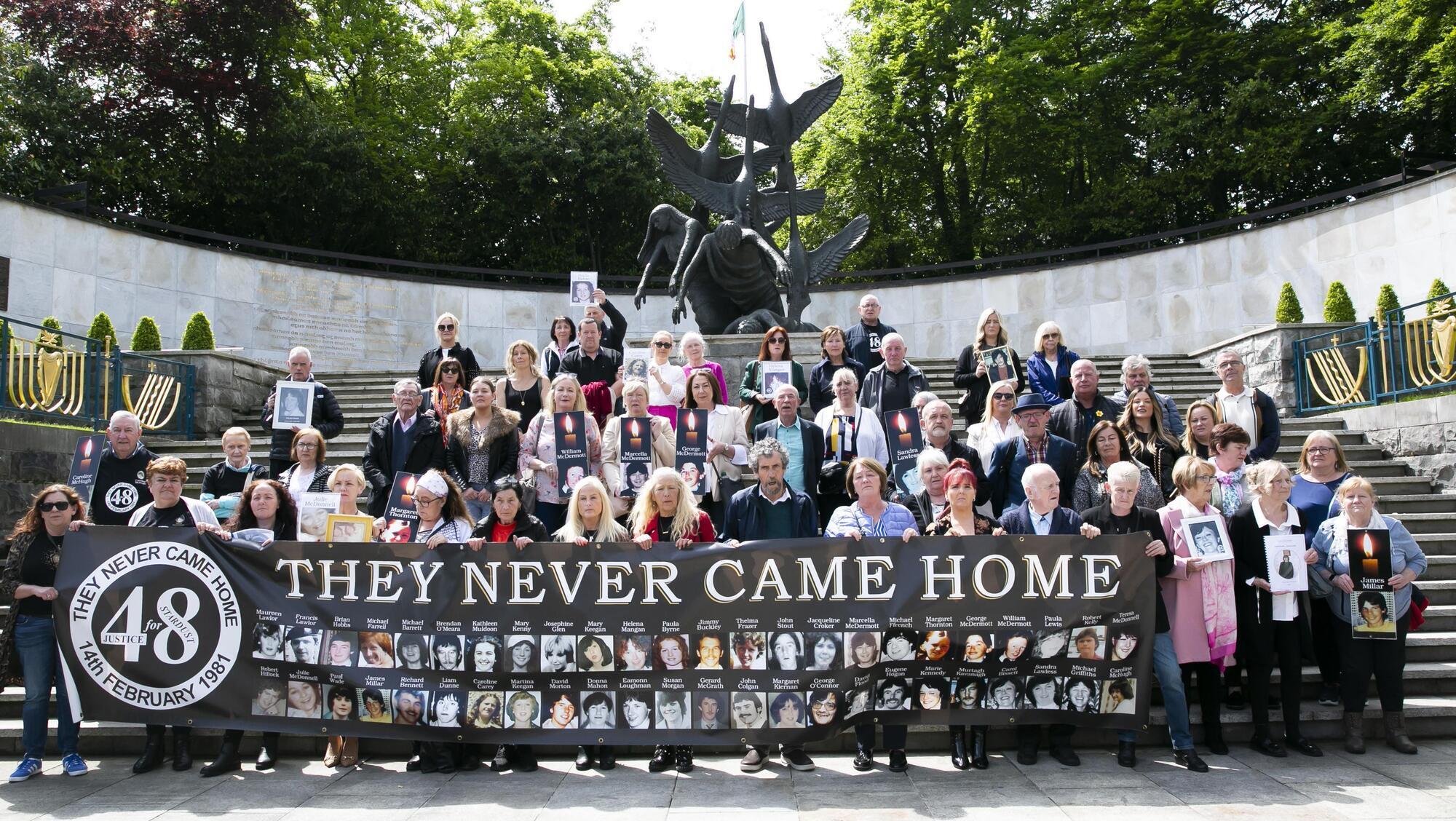
Family and friends of the stardust fire victims. The inquests into the deaths began last summer. Picture: Gareth Chaney/ Collins Photos

When smoke and fire began to spread in the main ballroom of the Stardust, conditions would have become “untenable” for those still inside in some areas within 52 seconds, and all the patrons did not have enough time to escape, fresh inquests have heard.

Furthermore, there may have been a delay of a minute-and-a-half to evacuate everyone from the club due to some of the exit doors being “obstructed”, the 13-person jury was told.

Expert witness and senior fire engineer Martin Davidson said: “There were a number of factors that contributed to the loss of life.

“The time they needed to get out was much longer than they actually had.”

Today saw digital simulations played in court demonstrating how quickly smoke would’ve spread throughout the north Dublin venue, as well as simulations of how quickly everyone would’ve been able to get out on the night even at times when some doors couldn’t be opened.

It also marked the final day of witness testimony at the Stardust inquests relating to events that happened in the early hours of 14 February 1981. Inquests were ordered into the deaths of the 48 young people who died in the fire, and has heard evidence across well over 100 days since last summer.

The final witness on matters related to the fire, Mr Davidson, told the jury that the digital simulations made by his firm Jensen Hughes showed how quickly the fire spread from the small tiered seating area called the west alcove to the rest of the venue.

“The smoke spread into the main hall,” he said. “And temperature conditions in the north alcove would’ve been untenable after 52 seconds.” 

Mr Davidson said a number of different simulations were run as to how the building was evacuated on the night. While no staff member had been trained on what to do in the event of the fire, this was compounded by exit doors being inaccessible at times when people were trying to get out.

We believe obstruction to these exits would have contributed to loss of life on the night of the fire.

Under the different scenarios, he said these obstructions would’ve delayed everyone getting out anywhere between 34 to 92 seconds. He said this may not sound like a lot, but in the context of how fast the fire had spread, this was “huge”.

“You should be out of the building before it’s too dangerous to be in it,” he said.

Under questioning from Des Fahy KC, for some of the families, Mr Davidson said this time delay was based on conservative assumptions and agreed that the delay to get out may have been greater than these times indicated.

The expert said that inspections prior to the fire showed that there was persistent locking or causing obstructions of exits in the Stardust and “despite repeated requests not to do this, management continued to do so”.

Closing the proceedings, Coroner Dr Myra Cullinane said that one witness remained for the jury to hear, who will tell them about how a major incident would be responded to today as opposed to how it was in 1981.

The inquests continue next Wednesday.

More in this section

Lunchtime News

Newsletter

Keep up with stories of the day with our lunchtime news wrap and important breaking news alerts.

Cookie Policy Privacy Policy Brand Safety FAQ Help Contact Us Terms and Conditions

© Examiner Echo Group Limited