HSE's budget deficit to be €500m more than previously projected, Dáil committee told
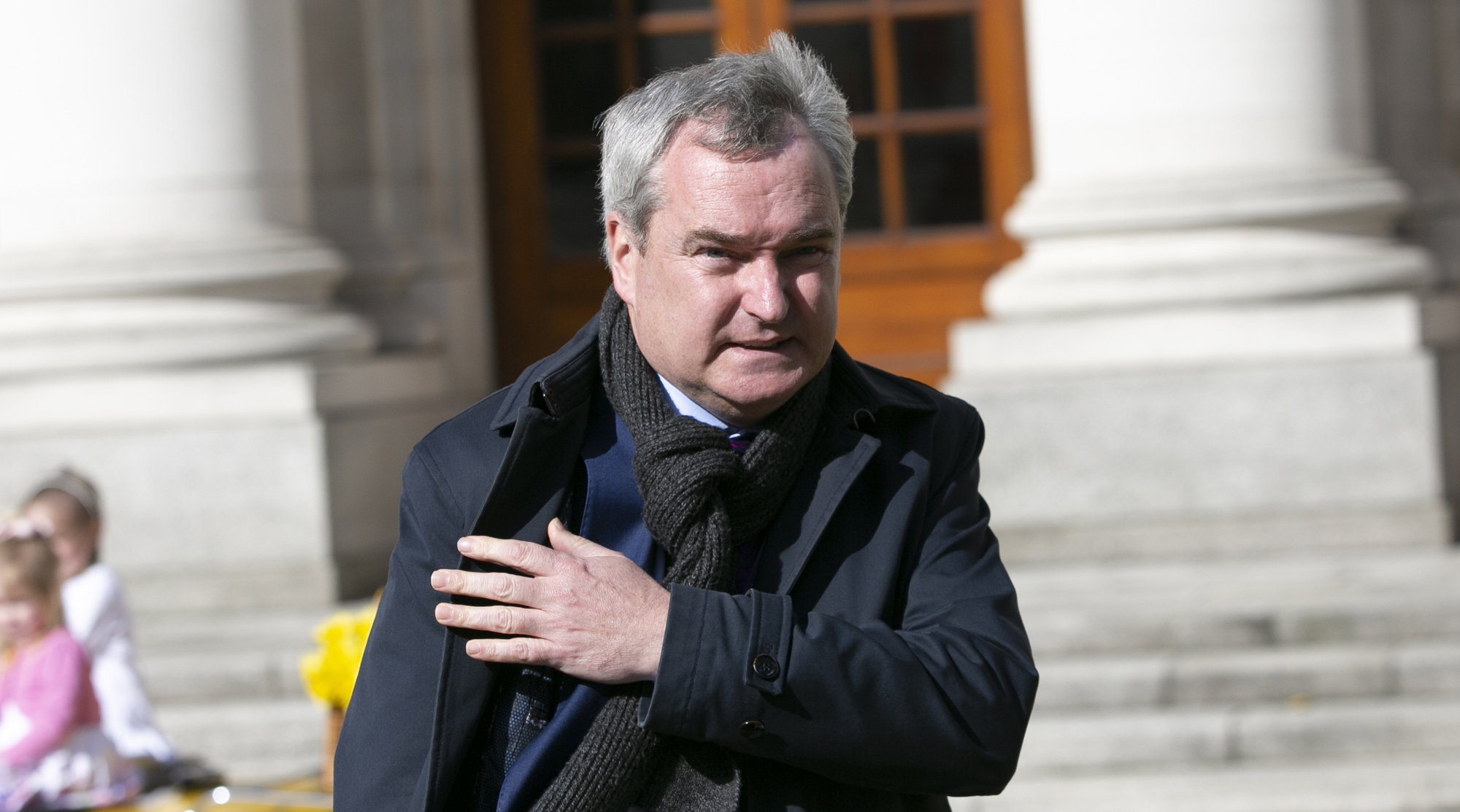
Department of Health secretary-general Robert Watt moved to 'assure' the PAC there was a 'shared focus' across the health service in terms of it needing 'stronger budgetary controls'. picture: Collins
The HSE is set to run a budget deficit of at least €1.75bn for 2023, up €500m on 2022, as the health service’s financial woes continue.
Addressing the Public Accounts Committee on Thursday, HSE chief financial officer Stephen Mulvany said the deficit, which depicts the HSE’s expenditure being greater than its overall funding “will have increased in the order of half a billion” for end 2023.
Mr Mulvany declined to say whether the deficit could be even higher, saying he had not viewed completed financials for the final four months of last year as yet.
Regardless, the €500m increase will mean the HSE’s finances are an additional €250m worse off than that projected by chief executive Bernard Gloster as recently as last October.
Appearing before the committee, Department of Health secretary-general Robert Watt moved to “assure” the PAC there was a “shared focus” across the health service in terms of it needing “stronger budgetary controls”.
He was speaking in light of the Department of Public Expenditure delivering funding to the health service of €800m less than had been requested, a fact which led to a recruitment freeze on a number of roles within the HSE.
Mr Gloster said regardless of that fact, the HSE’s headcount had increased across 2023 by 8,300, in excess of its projected figure of 6,100 people.
“I’m not sure how successful my embargoes are. Every nurse who wanted a job in the autumn got one,” he said, adding the embargo had now been “relaxed” in terms of areas such as midwifery.
Mr Gloster said the Department of Health “has never said to me to do something that is going to hurt someone”, describing the application of a pause to recruitment drives as “walking a fine line”.
In terms of disability services, Mr Gloster said “we have come up short for children with disabilities”.
“That is something I say with regret,” he said.
Regarding an ongoing crisis in terms of access to child mental health services, Mr Gloster likewise acknowledged he was “not proud of where we are at”, though he insisted “we are making improvements”.
Mr Watt was asked whether he had apologised to families of children with autism affected by the sharing of private information between the HSE and his department, which was subsequently used by the State to inform legal strategies.
Last June, the Data Protection Commission found the department had infringed data protection law by asking overly “broad” questions of the HSE when requesting that information, and fined it €22,500.
The secretary general replied the DPC’s ruling had been accepted and that it “is what it is”.
He said he “thinks” the department had apologised to the relevant families but he was not certain.
Asked by Sinn Féin’s John Brady whether or not he felt that whistleblower Shane Corr, who first brought the autism dossiers matter to public attention, had done a “massive service” to the State, Mr Watt replied: “I’m not commenting about Shane Corr, I’m not in a position to comment”, adding such a line of questioning was “not fair” given he was at committee to discuss his department’s accounts.
Mr Corr remains suspended from the Department of Health on full pay pending a disciplinary process instigated against him by Mr Watt last year.