Drone-delivered defibrillators could save lives in rural areas, says senator
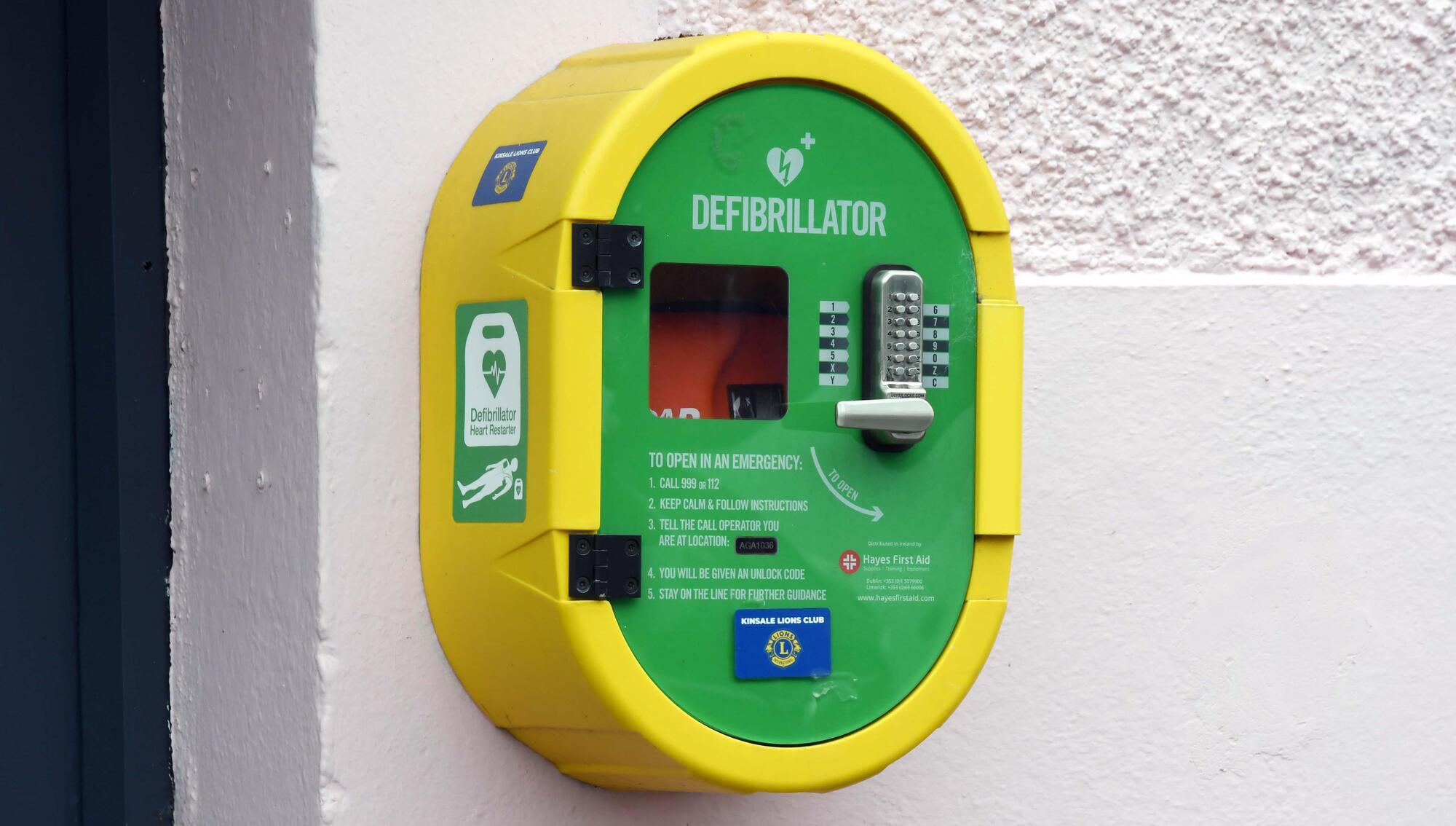
Drones could be used to deliver defibrillators to isolated areas, says Fine Gael senator Seán Kyne. Picture: Denis Minihane
Many lives could be saved through the rollout of drone-delivered defibrillators in cardiac emergencies, it has been claimed.
Seán Kyne, who is a member of the Oireachtas health committee, said that in cases of heart attack or cardiac arrest, every second counts, and drones must now be considered to respond to people living in isolated areas.
It comes after a project in Sweden showed quicker response times by drones than ambulances.
The Fine Gael senator said: “Every day the men and women of our ambulance service save lives across Ireland. However, our geography means homes and communities are spread out across the country which can make responding to emergencies more challenging.
“Automated external defibrillators (AED) are proven to increase chances of survival in cases of cardiac arrest by allowing bystanders to intervene and deliver treatment before paramedics arrive on the scene."
While AEDs have already been installed in towns and villages around the country, according to the National Ambulance Service, the majority of all out-of-hospital cardiac arrests in Ireland happen within the home (69%).
Mr Kyne said the recent project undertaken in Sweden provides a "viable solution" to that problem as it would mean defibrillators could be delivered to isolated homes while patients wait for paramedics to arrive.
“Emergency services in Gothenburg, Sweden, worked with a drone operator and university researchers to dispatch defibrillators to 72 out of 211 cases of suspected cardiac arrests over the course of an 11-month period.
"The drones arrived on average in just over three minutes, outpacing ambulances in two out of every three emergencies."
He added while emergency services and paramedics must be properly resourced, drone delivery of defibrillators should be explored as a further additional measure.
Currently, the national ambulance service aims to arrive in less than 19 minutes in at least 80% of life-threatening incidents.
However, this target is often not met and Aountú leader Peadar Tóibín last week told the Dáil that in the western region in 2022 one individual waited 22 hours for an ambulance to arrive.
"Last year, one person in the south of the country waited 13 hours for an ambulance to arrive. The figures are getting worse, given the real-life experience of patients, and it is having a material detrimental effect on their health and lives," he said, pointing to the 900 people who died in 2022 before an ambulance arrived.
CONNECT WITH US TODAY



Be the first to know the latest news and updates