'Shame and embarrassment': Disabled public transport users highlight inaccessibility of services
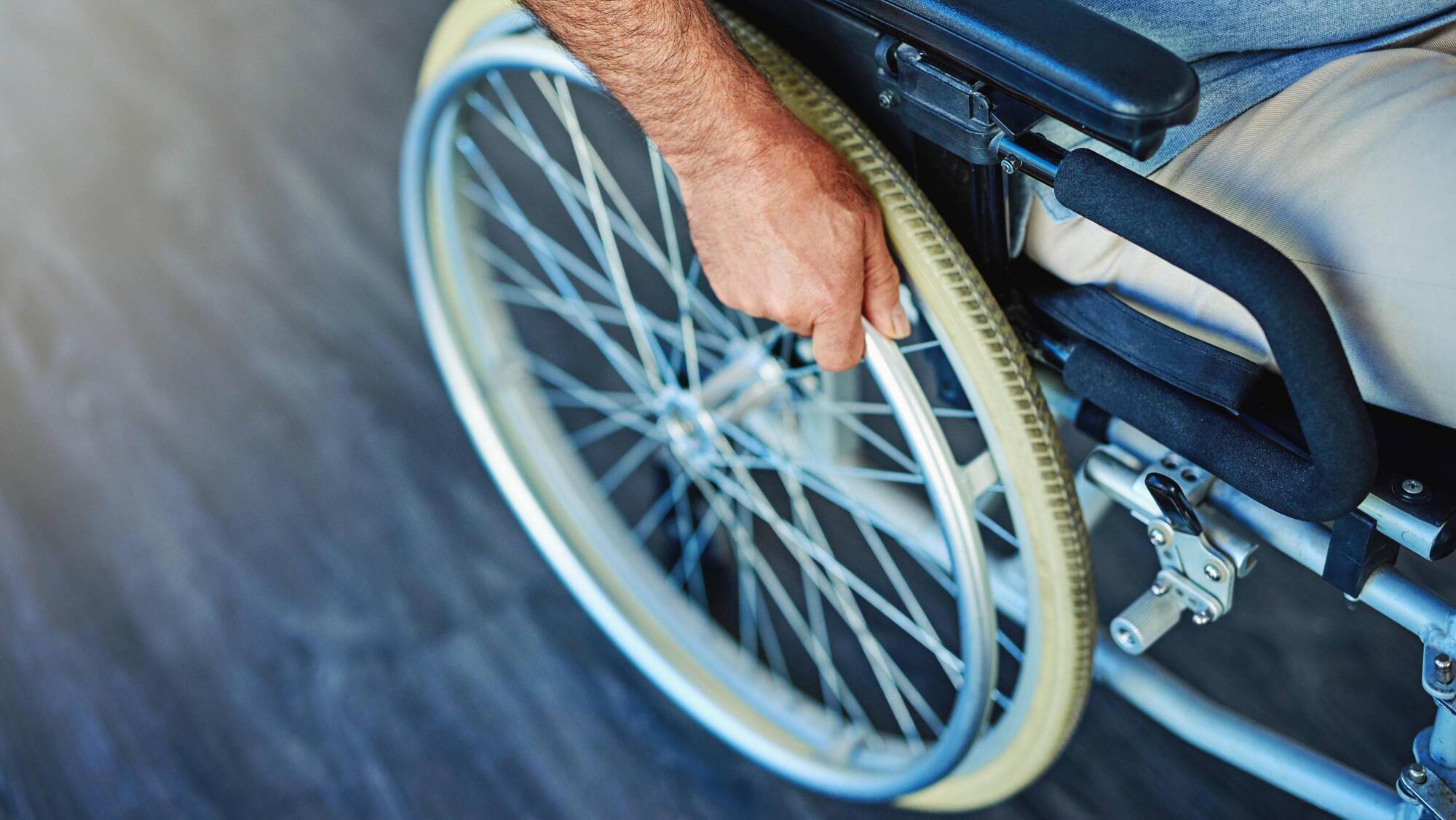
A letter sent to Eamon Ryan in October detailed how a college student who uses a wheelchair could not get on several buses one day as they were full, with people standing in the wheelchair space.
Those with disabilities have been left "distressed" and "embarrassed" as a result of inaccessible public transport, according to letters addressed to Transport Minister Eamon Ryan.
Letters obtained under the Freedom of Information Act highlight how those with disabilities seem to be unable to rely on any form of transport or support.
One parent of a young girl with Down syndrome said she was âdistressedâ after being denied a grant to modify her car, despite trips to school becoming âhighly dangerousâ.
They said their daughter becomes distressed while travelling which manifests in attempts to get out of her seat and wrapping the seatbelt around her neck. âCan you please advise how a parent of a child with special needs is expected to cope?â they wrote.
Another letter sent to Mr Ryan in October detailed how a college student who uses a wheelchair could not get on several buses one day as they were full, with people standing in the wheelchair space, which they said was a common experience for wheelchair users.
He then travelled 20 minutes to get the Luas instead and could not get on the first two that arrived as there was not having enough space for a wheelchair.
âI appreciate that this would be viewed as an insignificant issue, but in the lives of wheelchair users that wait at bus stops unable to get a bus to school/work while people stand in their allocated space is a very significant issue for people that have so many other challenges,â the letter reads.
In August, a 66-year-old man suffering from multiple sclerosis said he must ring Irish Rail every time he wishes to travel by train to book a seat and give notice he will need a ramp to board.
The man, who has difficulty walking, said he was often assigned seats on carriages other than the carriage where the ramp was installed for boarding.
He had a particularly âupsettingâ experience in July when travelling from Waterford to Kildare when the manâs carer approached the driver to get a ramp for him to get off before being scolded for booking on a Sunday, when stations are unmanned.
âSo in other words if you have a disability please donât travel on the Sabbath day, stay home and I wonât have to be disturbed from my driving seat to get a ramp to get you off. Talk about being upset by this, I didnât ask to have multiple sclerosis,â he said, adding: âWe are entitled to have a happy time too."
Another wheelchair user who highlighted a dearth of accessible taxis detailed a particularly distressing experience in which they feared for their lives after exhausting all options to get home.
After attending a hospital appointment in July, the person tried to order several taxis home and although some accepted their request for an accessible taxi, they never materialised. They gave up and made their way home themselves, which involved a main road with a speed limit of 80km/hr.
âI rang my landlord who was at home and asked him if he would have the patience to sit behind me with his hazards on for the journey, which he did and I'm so grateful to him.
âFor the last 1.5 km, the tears just streamed down my face. I was faced with the fear of being hit, and embarrassment and shame that I was causing this moving roadblock,â they said.