Fears recruitment freeze will hit specialist nursing roles
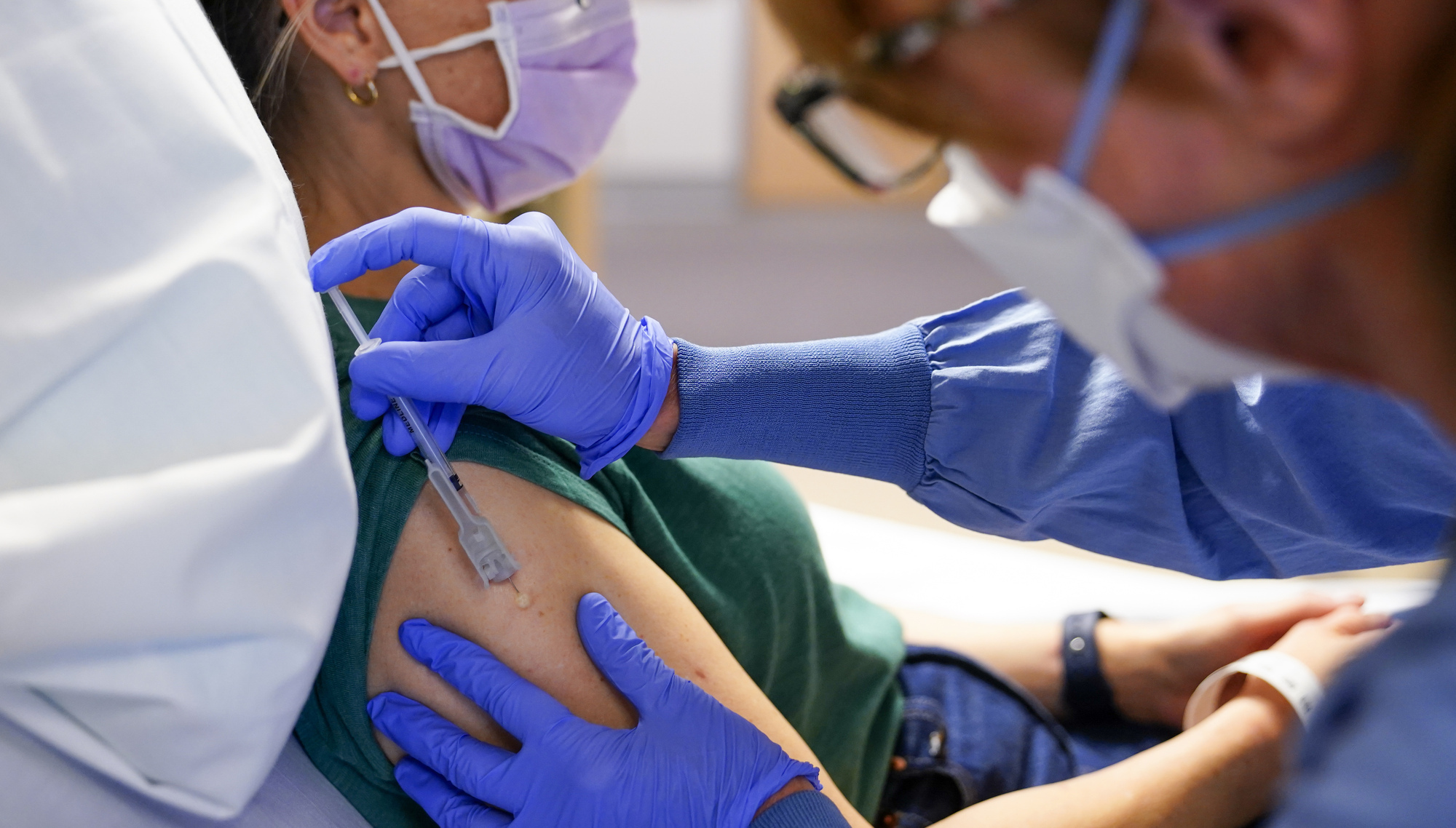
While some jobs in the disability sector are exempt from the freeze, there is concern these hospital-based roles may face delays. Picture: AP/Lindsey Wasson
Confusion abounds in the disability community about when new specialist nurses for neurological conditions can start work amid the ongoing HSE recruitment freeze.
More than 20 new roles were announced by Minister of State for Disability Anne Rabbitte in October last year. These were welcomed by advocates — particularly the news of the first ever nurses for some rare conditions.
It had been expected recruitment would take time but there is uncertainty now as to when they can start work.
The HSE said: “Recruitment is at various stages. A number of posts have been appointed, some are at interview stage and some are being re-advertised.”
The funding covers 21 neurology nursing posts at Clinical Nurse Specialist and Advanced Nurse Practitioner grades, a spokesman said.
Another 13 dedicated nursing roles are also being recruited through different funding streams, he said.
These will work on multidisciplinary teams for conditions such as epilepsy, rare progressive diseases and headache.
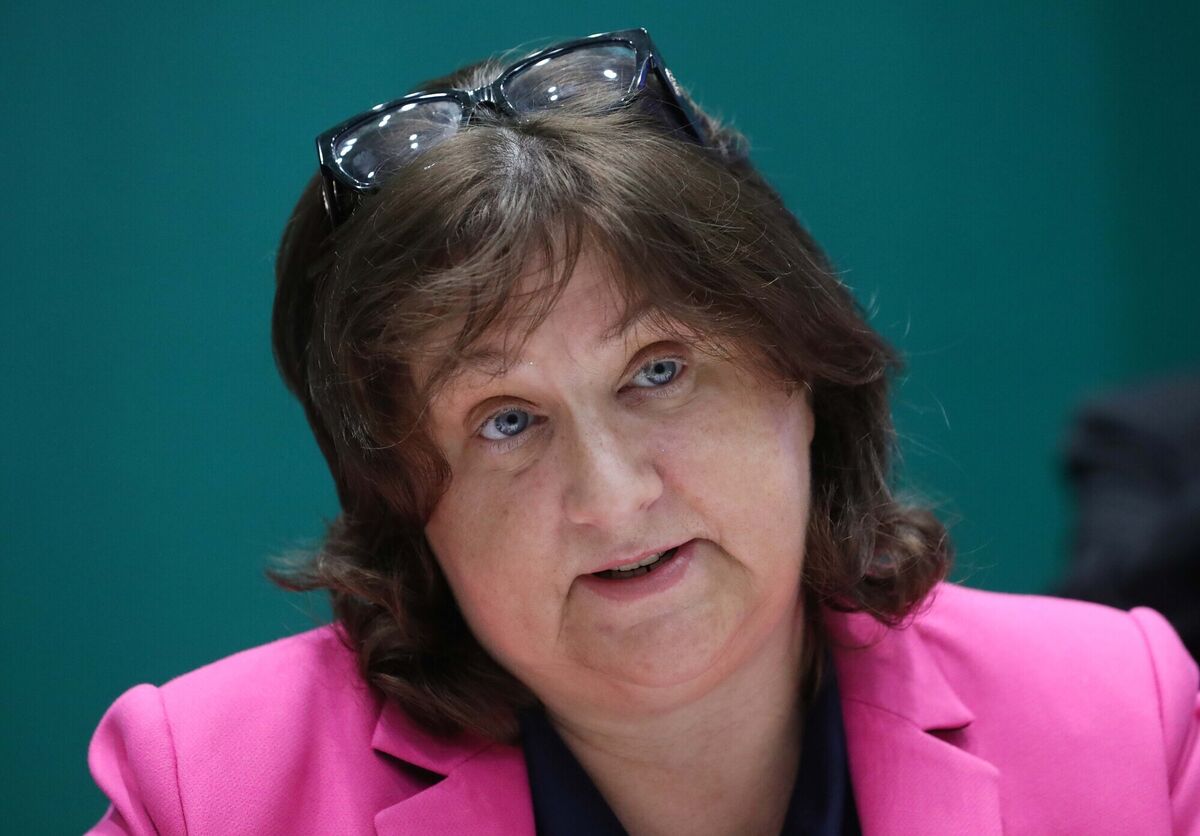
However while some jobs in the disability sector are exempt from the freeze, there is concern these hospital-based roles may face delays.
A spokeswoman for Ms Rabbitte said she was keen to see the posts filled as quickly as possible.
“The minister has engaged with the HSE regarding the recruitment of these nurses on a number of occasions,” she said.
“Following the introduction of the recruitment pause, the minister has been awaiting an update from the HSE regarding the number of posts in situ.”
The Neurological Alliance of Ireland led a countrywide campaign on the need for these nurses, and celebrated the announcement with great relief.
Executive director Magdalen Rogers said: “We look forward to these posts being filled in 2024. We assume they will be filled when the recruitment freeze lifts.”
She stressed the “enormous benefits” for patients, saying they are aware of recruitment for multiple sclerosis, epilepsy, Parkinson’s disease, Huntington’s disease, spinal and neuromuscular conditions.
“In some cases like Huntington’s, this will be the first specialist post that has been put in place,” she said.
“And for the other conditions, it will tackle really serious shortages in the number of nurse specialists, shortages compared to what is available in other countries.”
She is hopeful the new year will bring clarity.
“This was a huge investment and commitment from Government and Minister Anne Rabbitte,” she said.
“It was a personal commitment from the minister recognising the need, and putting the funding towards the posts.”
Huntington’s Disease Association of Ireland spokeswoman Patricia Towey
said these nurses were vital.
“[We] welcome the news that a Huntington’s disease specialist nurse has been recruited for Beaumont Hospital and eagerly await the commencement of this role,” she said.
The nurses provide quality care and access to appropriate multi-disciplinary services, she said.
However, she said: “Families in the West of Ireland are extremely frustrated that the funded Huntington’s disease nurse specialist post in University Hospital Galway faces further delay due to the HSE embargo.”

CONNECT WITH US TODAY



Be the first to know the latest news and updates