Climate change accelerated more in past decade than in any other, new research shows
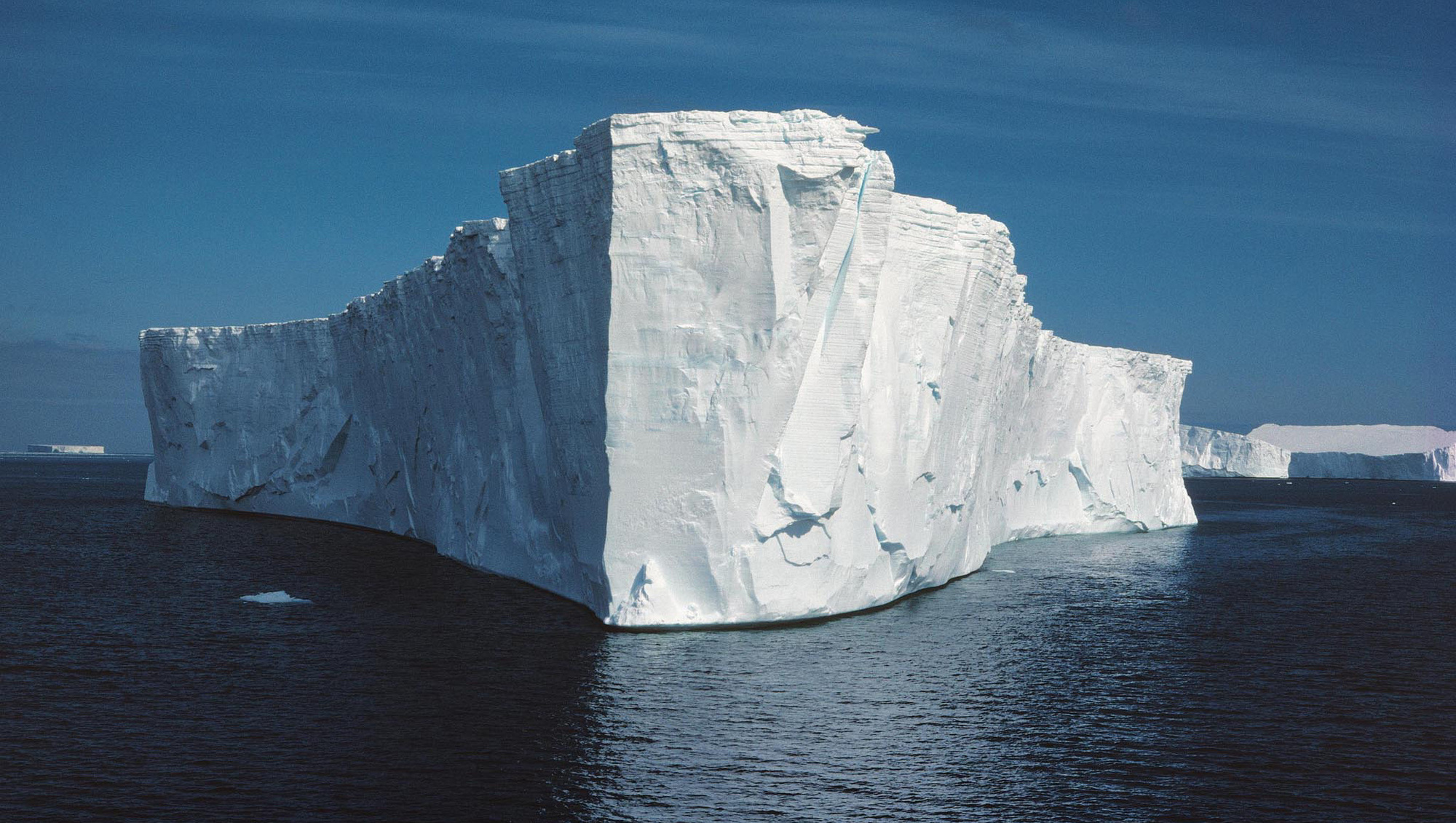
The Antarctic continental ice sheet lost nearly 75% more ice between 2011-2020 than it did in 2001-2010 — an ominous development for future sea level rise. Picture: C Gilbert
Greenhouse gas emissions fuelled land and sea temperatures over the past 10 years to accelerate climate change more profoundly than any previous decade, according to data from the World Meteorological Organization (WMO).
The WMO, which published the at the UN’s climate change summit in Dubai, warned ice melt and sea level rise was “turbo-charged” over the past 10 years.
Glaciers thinned by about 1m per year, considered an unprecedented rate, according to the WMO. In real terms, this means long-term repercussions for water supplies for many millions of people, it said as it unveiled the report at Cop28.
The Antarctic continental ice sheet lost nearly 75% more ice between 2011-2020 than it did in 2001-2010 — an ominous development for future sea level rise, which will jeopardise the existence of low-lying coastal regions and states, the body said.
The race to stave off the worst effects of climate change is being lost, WMO secretary general Prof Petteri Taalas said.
“Each decade since the 1990s has been warmer than the previous one and we see no immediate sign of this trend reversing. More countries reported record high temperatures than in any other decade.
According to the landmark Paris Agreement struck at Cop21 in 2015, a 1.5C rise in temperatures was set as the limit for the rise globally compared to 1850-1900, in order to stave off the very worst fallout from climate change.

Despite the urgent need to reduce greenhouse gas emissions, according to scientists, this year’s Cop28 has been dogged by obfuscation by oil companies and nations wanting to cling onto fossil fuels.
Cop28’s president Sultan Ahmed al-Jaber was roundly criticised for insisting in a contentious streamed conversation with former Irish president Mary Robinson that there was “no science” that reducing greenhouse gas emissions would help limit global warming to 1.5C, despite unequivocal evidence to the contrary.
The WMO report shows the accelerated climate change “is unequivocally driven by greenhouse gas emissions from human activities”, according to Prof Taalas.
“Our weather is becoming more extreme, with a clear and demonstrable impact on socio-economic development. Droughts, heatwaves, floods, tropical cyclones and wildfires damage infrastructure, destroy agricultural yields, limit water supplies and cause mass displacements,” said Prof Taalas.
“Numerous studies show that, in particular, the risk of intense heat has significantly increased in the past decade.”
The report documents how extreme events across the decade had devastating impacts, particularly on food security, displacement and migration, the WMO said.
The last decade was 1.1C above 1850 to 1900 average, while the warmest six years on record globally were between 2015 and 2020. Each successive decade since the 1990s has been warmer than all previous decades, the data show.
CLIMATE & SUSTAINABILITY HUB