Number of people saying they’re in good or very good health on the decline

Some 8% of the population use e-cigarettes daily but this rises significantly among younger groups. File picture: Nick Ansell/PA Wire
The number of people in Ireland saying they are in good or very good health is in decline compared to pre-pandemic levels, along with an increase in people reporting long-term medical conditions.
Furthermore, almost one in five young people aged 15 to 24 regularly use e-cigarettes (18%) while almost a quarter of the population (24%) say they are binge drinkers.
Wednesday marked the publication of the Healthy Ireland survey for 2023, which looks at general trends across multiple factors on the health of the Irish nation. It looks at issues such as general health, smoking, alcohol, GP visits, and mental health.
In the first year of the survey in 2015, 85% of the population reported being in good or very good health. This remained fairly static until 2019 but has fallen since then. In 2023, 81% of men reported their health as good or very good, while just 79% of women said the same.
Among women, the largest decline was reported in women aged 55 to 64 reporting good health, down 13 points from 2019.
Two in five people have a long-term condition that has been confirmed by a diagnosis. This is an increase of 11 percentage points since 2021. The most common conditions were “high blood pressure or hypertension (9%), followed by arthritis (6%), high cholesterol, asthma, and diabetes (all 5%),” the survey said.
The prevalence of smoking has been dropping steadily since 2015, when it was at 23%. However, the rate of 18% of the population describing themselves as current smokers has remained static for the last three years. The 25 to 34 age group was the most likely to smoke, while men were more likely to be smokers than women.
More people in Ireland describe themselves as ex-smokers than current smokers. Half of current smokers tried to quit in the last year, with 23% successful in doing so.
Meanwhile, 8% of the population use e-cigarettes daily but this rises significantly among younger groups.
“A fifth (20%) of women aged 15-24 use e-cigarettes either daily (11%) or occasionally (9%), making them the group with the highest prevalence of the e-cigarette usage,” the survey said. “16% of men in the same age group use e-cigarettes either daily (9%) or occasionally (7%).” Meanwhile, the rate of alcohol consumption among the population has decreased compared to previous years. 70% of people reported drinking alcohol in the last 12 months, down from 75% in 2018.
It said: “There has been a notable change in drinking behaviour over the past five years among those aged 25-54, inclusive. Those in this age group are now less likely to have consumed alcohol in the past 12 months and are also less likely to drink at least once a week. This is particularly evident among individuals at the younger end of this age range.”
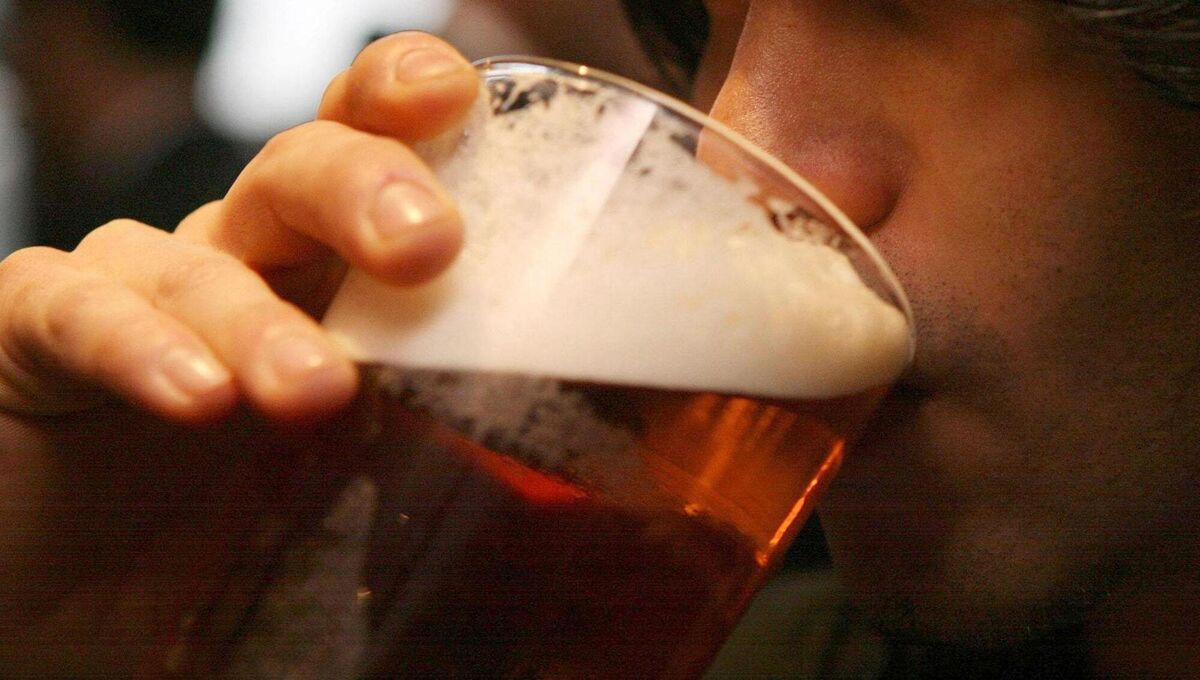
The rate of binge drinking, where a person drinks more than six standard drinks on a typical drinking occasion, stood at 24% of the population — down from 27% in 2018.
Men, and in particular younger men, were more likely to be binge drinkers according to the survey.
On the other hand, the number of people visiting their GP has increased in recent years. This has been primarily driven by a growth in younger age groups seeing their GP. In the past year, 76% of people visited their doctor.
While 44% of people paid nothing to see their GP, a further 35% of people had to pay between €51 and €75.
In terms of mental well-being, better results were reported compared to 2021 when restrictions were in place but remain down on pre-pandemic levels.
Minister of State Mary Butler said: “Mental well-being is not back to where it was before the covid-19 pandemic and this requires continued focus.”
When asked, 4% of the population said they feel lonely all the time while a further 10% said they felt lonely some of the time.
The survey also looked at drug use among the population, with one in five reporting having taken illegal drugs in their lifetime. A further 7% said they’d taken drugs in the last year, and 3% said they’d taken drugs in the last month.
The most common illegal drugs used within the last year are cannabis (5.9%), cocaine (1.9%), ecstasy or MDMA (0.8%), magic mushrooms (0.8%) and ketamine (0.4%).
One-fifth of people in the 15-24 age group said they’d taken drugs in the last year with, again, men more likely to have done so.
In 2023, three in five people in Ireland said they have had covid-19 at some point. This was an increase from 36% in 2022.

BLACK FRIDAY
Already a subscriber? Sign in

CONNECT WITH US TODAY



Be the first to know the latest news and updates