Mentally distressed children dying due to a lack of services
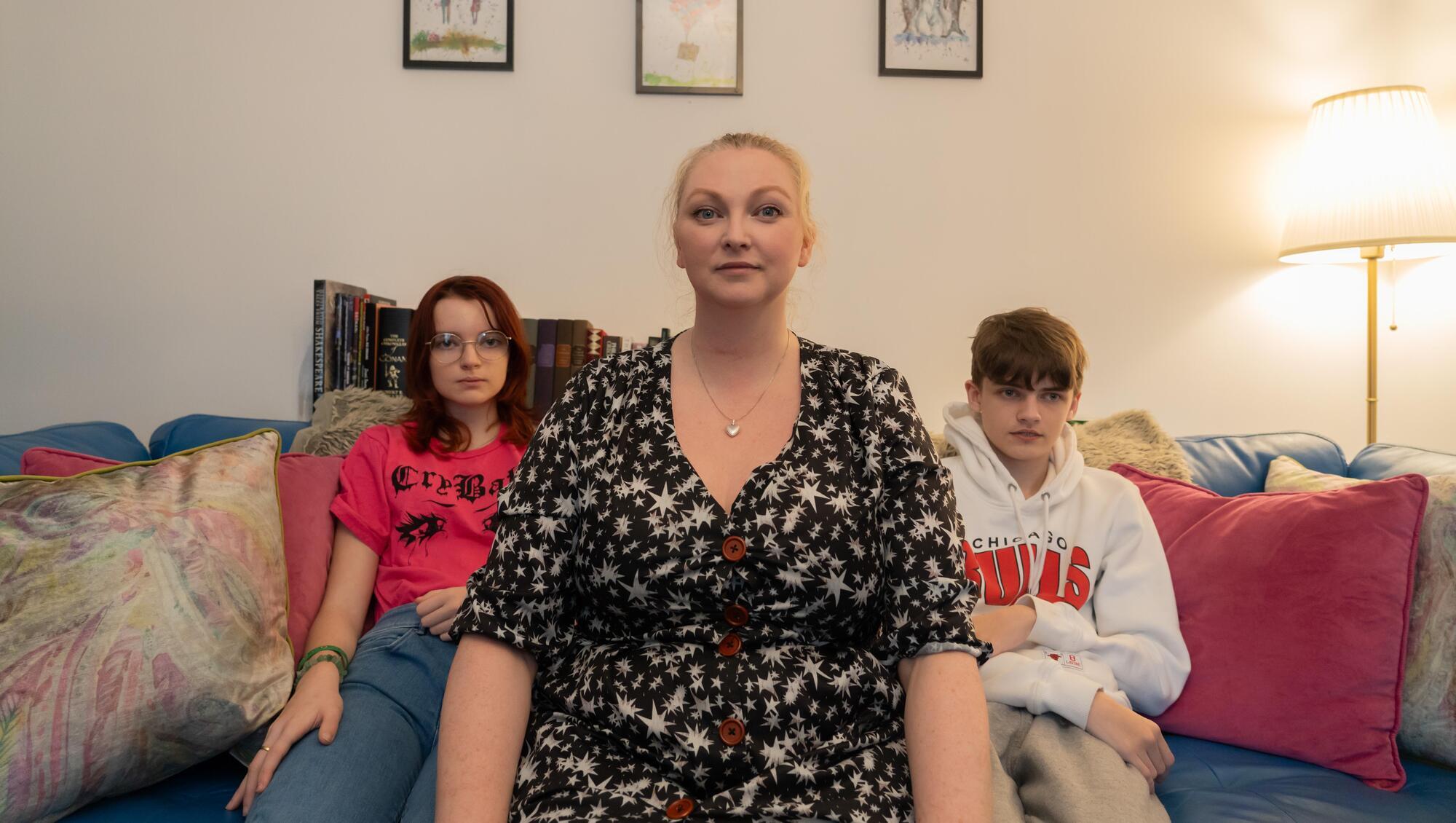
Parents of suicidal children who were refused care by the Child and Adolescent Mental Health Services (Camhs) have said there is “systemic discrimination” against children with dual diagnoses of mental illness and a disability like autism.
Parents, who narrowly rescued their own children from suicide attempts, said that mentally distressed children are dying due to a lack of services.
Support group, Families for Reform of Camhs, which formed in the summer due to the lack of mental health supports for suffering children, have made a submission to the Oireachtas Committee on Children, to be discussed by TDs and Senators on December 5.
Group founder Hannah Ní Ghiolla Mhairtín said they are demanding immediate action on the crisis in mental healthcare for children with dual mental health and disability diagnoses.
According to the group’s survey, 59% of members have an autistic child, and of those members, 85% said that having a diagnosis of autism has negatively impacted the service and support received from Camhs.
“This is deeply concerning to us, especially as 70% of autistic children will have at least one co-occurring psychiatric condition and 41% will have two or more,” the submission said.
A subsequent survey conducted by the group in October showed that 62% of parents felt that their child being autistic negatively affected the support offered by Camhs.
Parent Gráinne Finucane’s voice shook as she recalled when her 14-year-old son Finn told her that he was going to end his own life.
“He admitted that he had been struggling for a while and not only wanted to end his life but had a plan and date to do it by,” Ms Finucane said. “He had planned how to get to the location, he had set a date.”
“We showed up at A&E at 8am where I explained that my autistic son was suicidal and we urgently needed help.”
But by 6pm, they still had not been seen by Camhs and were told that the Camhs team had left at 4pm.
Ms Finucane was told not to leave her son alone and to lock up anything sharp at home.
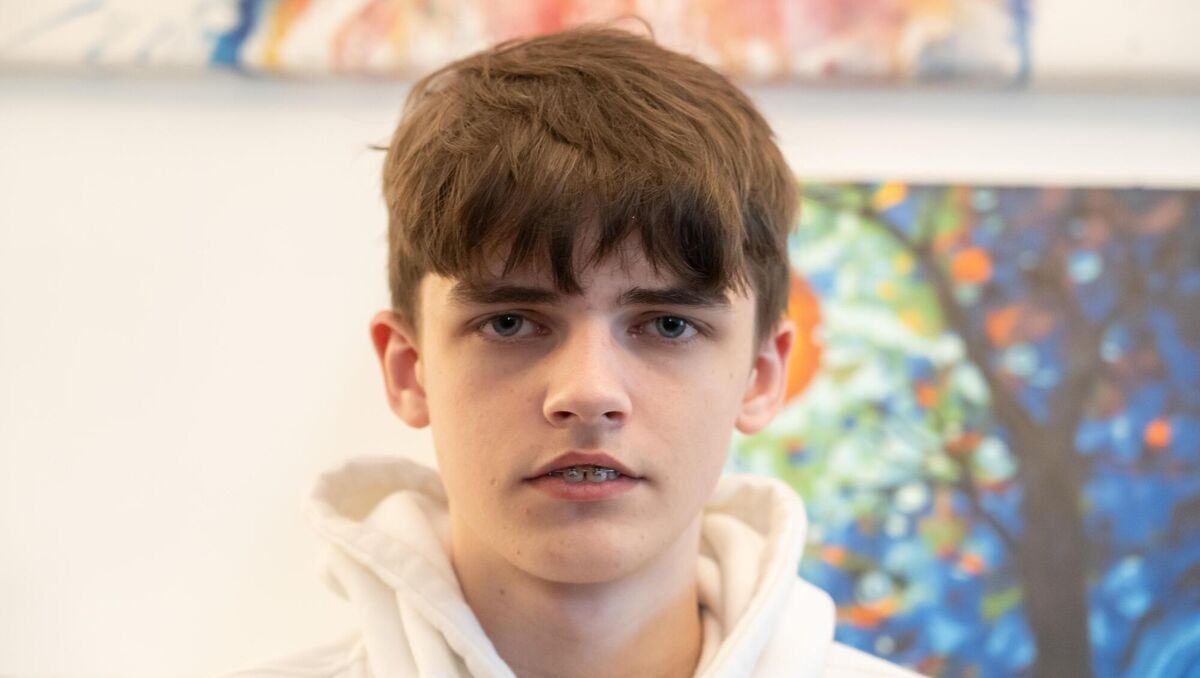
When they received a Camhs appointment several weeks later, they were told that the child’s issues were down to his autism diagnosis.
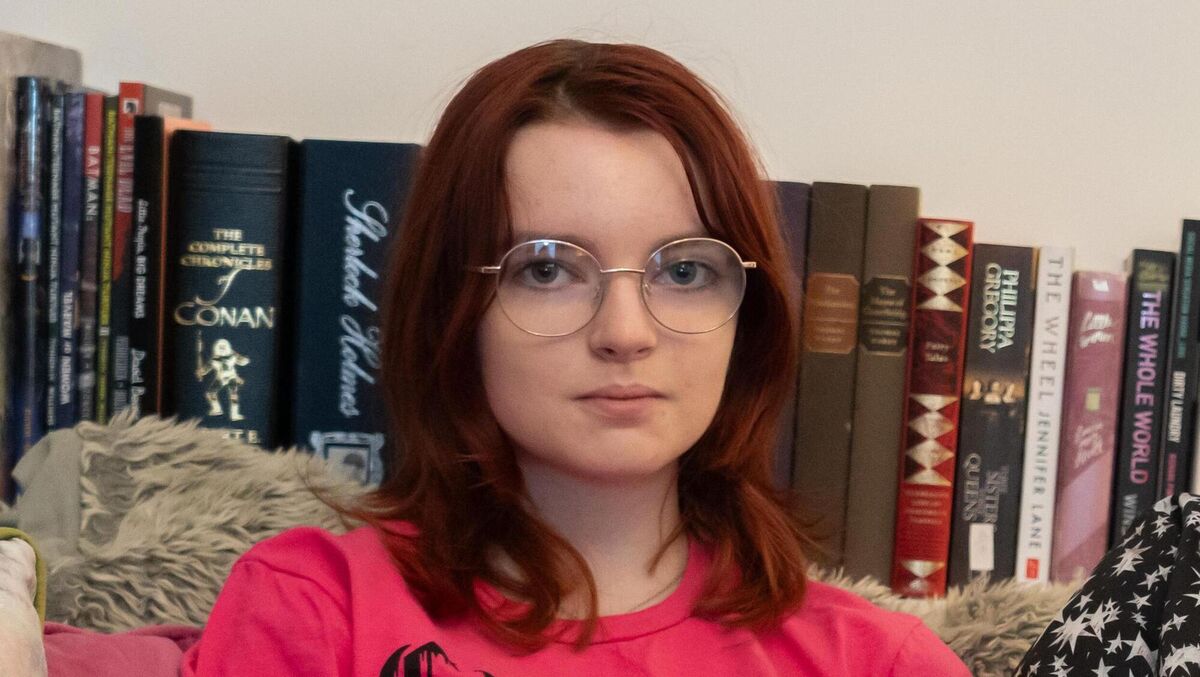
Her daughter, Saoirse, aged 12, was also suffering suicidal ideation.
Her anxiety had grown so bad that she started picking at her skin so much that there were always open wounds on her face.
She had been diagnosed with ADHD at the age of seven, a condition that comes under the care of Camhs, with a query of autism, a condition that is supposed to be dealt with through disability rather than mental health services.
But Ms Finucane said that Camhs repeatedly told her that her daughter had autism so she should seek help through the disability services instead, even though Saoirse was displaying clear and serious symptoms of mental illness.
Ms Finucane’s children are bright, empathetic, and kind.
They have huge potential in life but she is terrified that their potential may be severely hampered by lack of access to vital services now.
Another parent, Mary, whose real name has been changed to protect her identity, has a daughter who first said that she wanted to die aged just six.
Mary said that despite a family history of mental illness and clear suicidal ideation, Camhs refused her care and said that her problems stemmed from autism.
A letter from a Camhs psychiatrist, seen by the , said that it was common for children with autism to say that they ‘did not want to be here’.
“She does not appear to have a moderate to severe mental illness and therefore we will not be accepting this referral,” the psychiatrist's letter said, after a GP requested help for the suicidal child. “It is common for children with disabilities to have meltdowns and saying that they do not want to be here.”
During lockdown, the little girl tried to drown herself to end her young life twice.
“She was seven at the time,” Mary said.
Her daughter still has no Camhs support but the family access private therapy whenever they can.
However, they cannot afford private therapy currently and she has already noticed her daughter’s mental health deteriorating.
In their Oireachtas submission, Families for Reform of Camhs say: “While the HSE denies that there is any discrimination against autistic children, we strongly believe based on our experience that the exclusionary clause in respect of autistic children is often being used against them to not offer supports or a differential diagnosis.”
“Some of our members mentioned support being withdrawn once a diagnosis of autism was disclosed and others raised concerns that turning away autistic children is being used as a way of reducing waiting lists and refusing referrals.
“Many members said that Camhs explained away anxiety/depression as just being part of ‘ASD’ rather than acknowledging and offering support for the mental health issues being experienced."
While ADHD comes under the remit of Camhs, autism comes under disability services.
But research indicates a high co-occurrence between ADHD and autism.
“70% of autistic children will have at least one co-occurring psychiatric condition; and as co-occurrence of autism and ADHD is very high, the rationale for the ongoing division of responsibilities between the two services should be questioned," the group said.
“At present, it results in many families not accessing relevant supports as they are pushed between services neither of which can support the child holistically or in a manner which is integrated with the other services.
“While the HSE website acknowledges that autistic people often have other conditions including mental health problems and ADHD, this acknowledgement does not appear to translate to acknowledgement and supports provided at service level."
The HSE said that it has established the Child and Youth Mental Health Office to implement the Camhs service improvement programme which is working in partnership with key areas such as primary care, disabilities, education, Tusla, voluntary, community and social partners, and young people and families, to develop services.
“The HSE has made Camhs and youth mental health service improvement a priority and has made significant improvements, such as five new Camhs Hubs to support Camhs Teams in delivering enhanced responses to children, young people and their families/carers in times of acute mental health crisis," the HSE statement said.

CONNECT WITH US TODAY



Be the first to know the latest news and updates