Irish researchers hope to uncover reasons for poor survival rates of salmon at sea
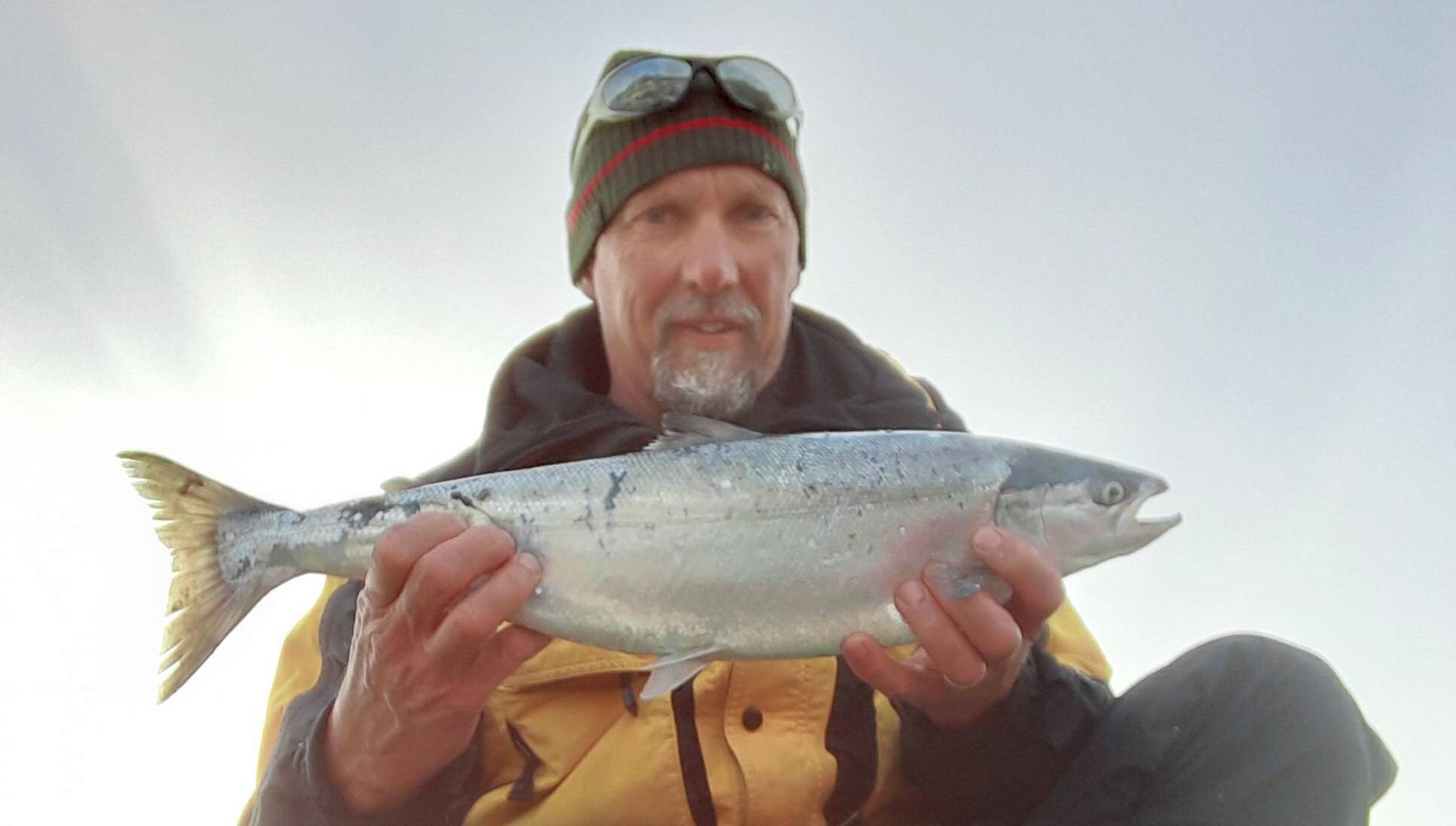
Inland Fisheries Ireland researcher Glen Wightman took part in an EU-funded programme in the east Greenland settlement of Kuummiut — tagging salmon as they returned to their European rivers of origin.
Irish research hopes to understand why there is such a poor survival rate for salmon at sea by tracking the journey of the fish making its way from Greenland to Europe.
Inland Fisheries Ireland (IFI) researcher Glen Wightman joined scientists from the Technical University of Denmark (DTU) in tagging salmon in order to investigate the feeding and return migratory behaviour of young fish as they left the Arctic sea.

Senior research officer at IFI Dr William Roche said the study comprises novel research into a fish species in decline that he called "worrying".
The research is being conducted because the marine phase of a salmon’s life is where knowledge of its survival is limited, he said.
"We are making use of the strong homing trait of salmon. The aim is to fill a data gap because detailed information about salmon behaviour and migration routes in the ocean is scarce.
“It is hoped that the scientific information gleaned will provide further clues into the complex question of poor survival of salmon at sea.
“We are seeking more data on the return journeys these salmon undertake, and the numbers that actually make it back to the rivers where they are from," Dr Roche said.
The EU-funded research is led by the DTU’s Professor Kim Aarestrup, Dr Niels Jepsen, and IFI's Glen Wightman and is being carried out under the Smoltrack project, which is coordinated by the North Atlantic Salmon Conservation Organisation.
According to Smoltrack, by attaching small transmitters to migrating fish, researchers are able to follow their movements as they swim downstream.
To do so, they deploy listening stations in strategic points and have teams on-site equipped with antennas keeping record of the fish locations.
Sample salmon were implanted with a tracking device during this pilot phase of the study, IFI said.
Monitored rivers in Europe will be checked for returns of these particular fish, it added.