Irish rugby fans warned of bedbug risk in Paris ahead of New Zealand clash
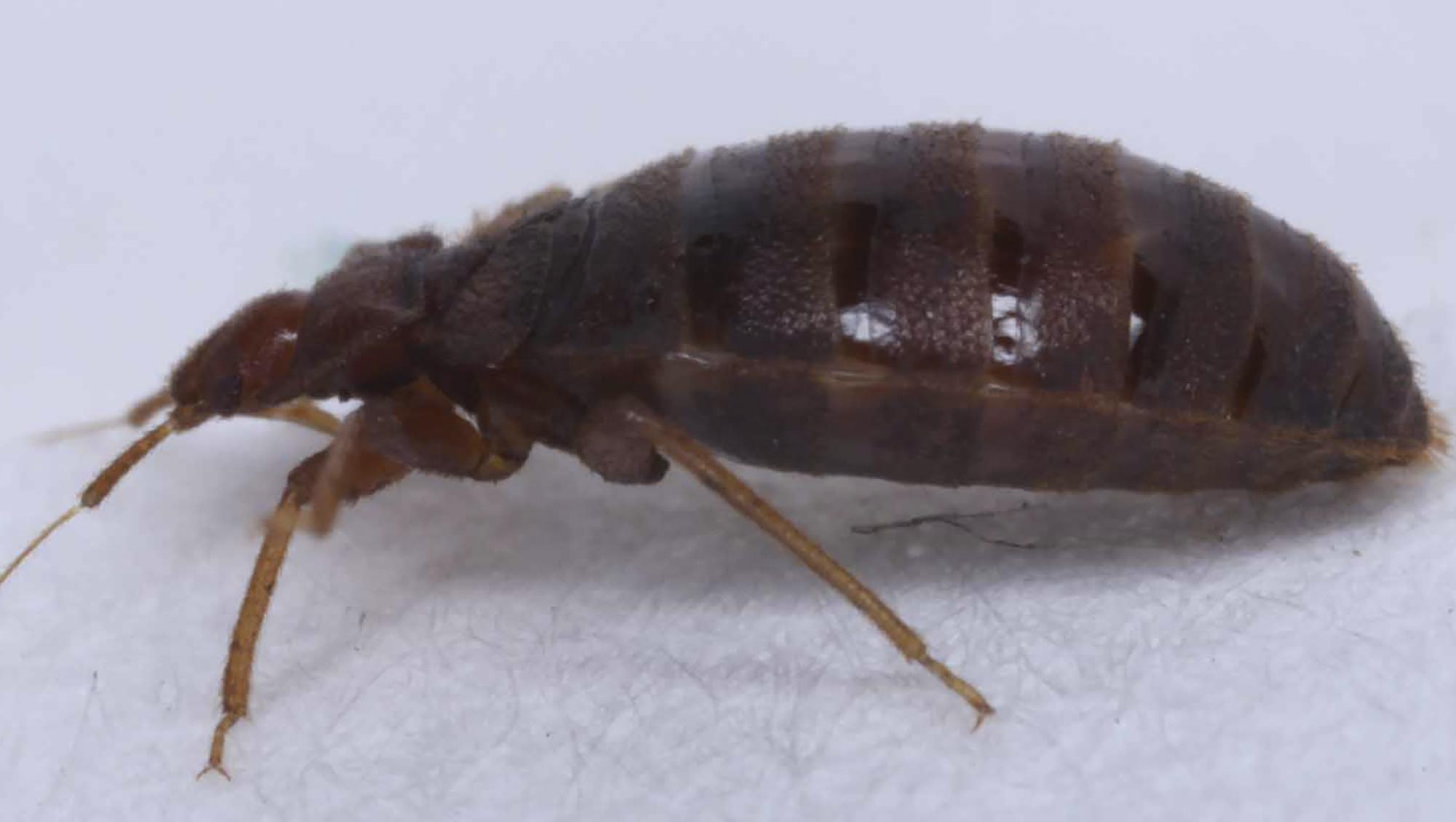
The French government has been forced to step in to calm a nation increasingly anxious about bedbugs. Picture: AP
The HSE has warned Irish fans returning from Rugby World Cup matches in Paris not to bring luggage or clothing into their homes without checking it carefully for bloodsucking bedbugs.
An expert has also advised fans staying in the French capital to pull back bedsheets and check the mattresses for bloodstains, which would suggest the presence of insects.
Ireland take on New Zealand in the Rugby World Cup quarter final on Saturday night, with the game taking place in the Stade de France in Paris.
There has been a bedbug epidemic in France in recent weeks, with videos circulating showing they’re now present on many trains and buses in the city.
The situation has caused concern in Britain after a video showing a bedbug on the leg of a passenger on the Victoria underground line went viral.
Mayor of London Sadiq Khan said Transport for London (TfL) is carrying out rigorous cleaning protocols on buses and Tube trains and they are monitoring Eurostar trains as well.
The HSE said it was aware of the outbreak and issued advice to fans who might be concerned about carrying the tiny creatures home with them.
An HSE spokesman said if people carry out checks, but are still concerned, they should wash clothing on a hot wash (60C) and tumble dry on a hot setting for at least 30 minutes, or alternatively put clothing in a plastic bag and put it in the freezer for three or four days. This will kill the bedbugs.
If people are bitten by a bedbug the best way to treat a bite is to avoid scratching the area, apply anti-septic creams or lotions, and take an antihistamine.
“Bedbug bites generally clear up on their own within a week. You should make sure the affected skin is kept clean to prevent infection. If the bites are very itchy, you can get advice from your local pharmacist," the spokesman said.
Dr Fidelma Butler, an ecologist in UCC’s School of Biological, Earth and Environmental Sciences (BEES), said bedbugs were a major scourge in the 1900s but their numbers were drastically reduced after the insecticide DDT was invented.
However, they've become immune to that and, worryingly, they've acquired immunity to some newer insecticides as well.
Dr Butler said bedbugs are very prolific breeders and they'll hop onto anything that’s moving. She said increased air travel has caused them to spread.
“They are 4-6mm in length. You could fit up to four of them on the nail of your little finger. They are pale brown or golden brown depending on their age. They have a dagger-like straw in the mouths which stabs the skin and enables them to suck up blood,” she said.
“It sounds a serious issue there (in Paris) and talk of bedbugs is emotive, People tend to panic, but they don’t spread disease.”
Dr Butler said that they are nocturnal insects, hiding in small crevasses in the mattress and coming out at night to feed off an unsuspecting sleeper. The best place to look for them is on the mattress's upper edge sides.
More information about bedbugs can be found here


CONNECT WITH US TODAY



Be the first to know the latest news and updates