Eamon Butterly agrees Stardust management was 'not fit for purpose'
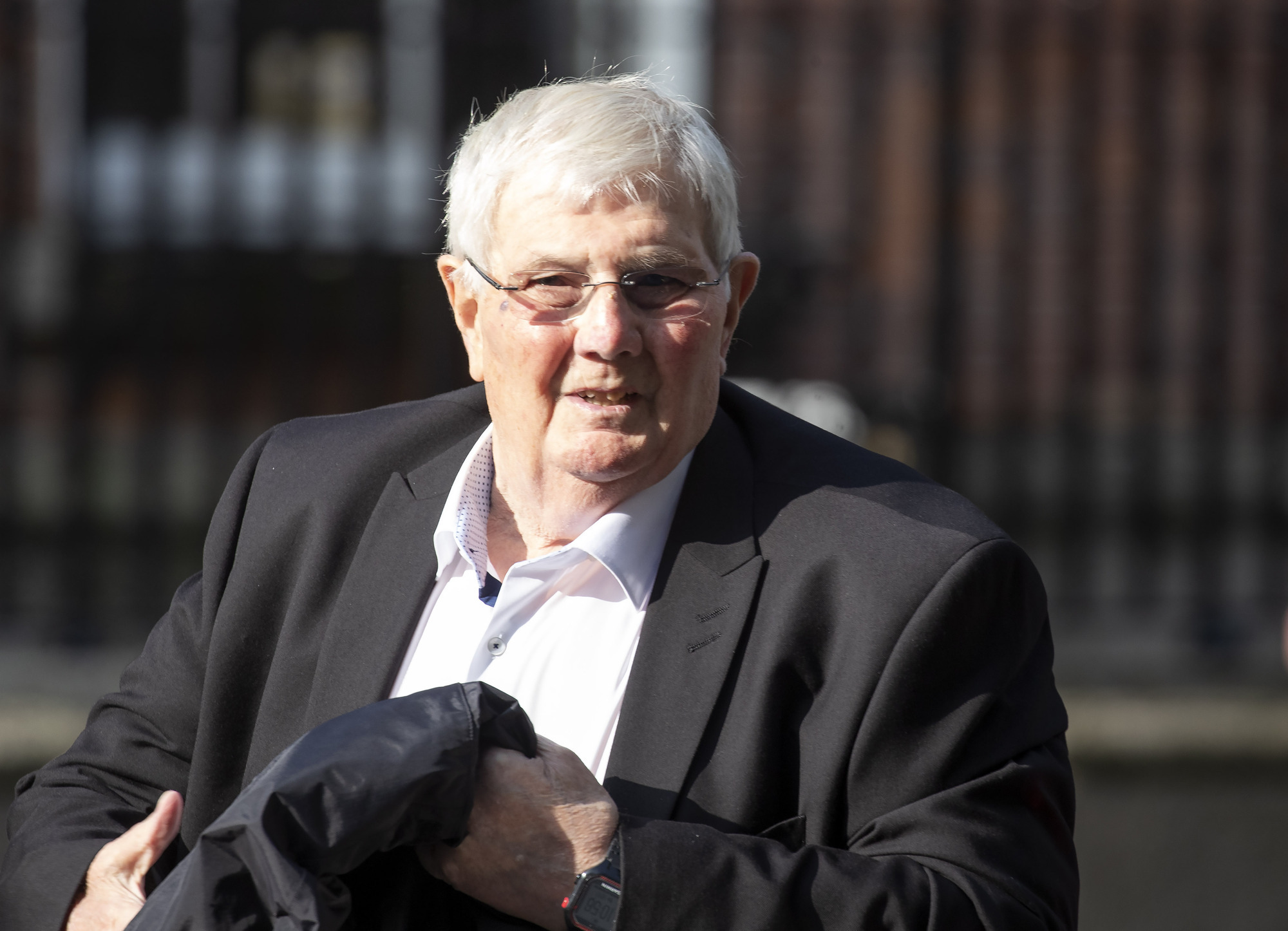
On his eighth and final day of evidence at the fresh inquests for the 48 young people who died in the fire in February 1981, Mr Butterly maintained that all the emergency exit doors were open at the time the fire broke out. Picture: Colin Keegan, Collins Dublin
Management of the Stardust nightclub where 48 people died in a fire in 1981 was “not fit for purpose”, its former manager has agreed.
Eamon Butterly also agreed before a 13-person jury at Dublin District Coroner’s Court that a number of bye-laws were broken at the north Dublin venue, including exit doors being locked, no employees given specific duties in the event of a fire, and failing to hold a fire drill once a week.
Senior counsel Bernard Condon, representing some of the families of victims, put it to Mr Butterly that the state of the exits, with various obstructions at them, was "pretty shambolic”.
“It was pretty shambolic on your watch on the 13th of February [1981],” Mr Condon said.
“No,” Mr Butterly replied.
Friday marked Mr Butterly’s eighth and final day of evidence at the fresh inquests for the 48 young people who died in the fire in February 1981.
As he did on each of the days, he maintained that all the emergency exit doors were open at the time the fire broke out.
The court heard that 83% of the patrons there on the night were under the age of 21, despite the policy for it to be an over-21s disco. Furthermore, all but 10 of those who died were under 21, including four 16-year-olds and nine 17-year-olds.
Mr Butterly said there were no age cards back then, and doormen would’ve had to make their best estimate at someone’s age. Mr Condon put it to him: “The issue was this, the doormen weren’t interested in the age people were, only in getting the money off them.”
Mr Butterly denied this.
Mr Butterly was again pressed on several facets of his management of the club, including the policy to keep some doors locked for a period of time while patrons were on the premises and his decision to have steel plates and bars welded to the windows of some of the bathrooms just a few weeks before the fire.
Mr Butterly told the gardaí in 1981 that the windows were barred up because people had been handing weapons through them, and told the inquests they were repeatedly being broken.
His head doormen Tom Kennan told a Tribunal of Inquiry into the fire that same year that he understood that lads would be passing their ties out the window to friends as men had to be wearing a tie to get in.
Furthermore, Mr Butterly had told the gardaí in 1981 that the policy of locking doors was “forced” upon him by patrons opening them to let their friends in for free. Mr Condon put it to Mr Butterly that his response to “trivial” matters such as these was “extreme”.
“Management which responds to trivial difficulties and takes extreme measures is not a management fit for purpose,” Mr Condon said. He asked Mr Butterly if he agreed, and he said he did.
The counsel for the families said it was “codology” that Mr Butterly told Mr Kennan to unlock the doors and that this evidence was “fabricated”. Mr Butterly denied this was the case.
The inquests continue with further witnesses next week.
CONNECT WITH US TODAY



Be the first to know the latest news and updates